Bifurcation - Phase I
Finally back after a hiatus of working on the cube table, building a power supply to make an electrolysis tank, and starting a new job. Fortunately that one left me with a week at the house to get some fab time in on the kegerator.
First things first - I reworked the regulator tree. I didn't like how the tubing outlets from the distribution block were not lining up with the regulator inlets which forced the tubing to have some freaky bends. In the v1.0 configuration I also could not assemble the gas-in line, it just would not physically fit. To summarize, I made the slot wider, slid back the dist. bar, and re-did most of the lines. Little bit cleaner now, I think. I also had to run the left most line really tight to give me as much clearance as possible for the kegs. Despite this, I still ended up adding 10.5" vs. 6" planned.

Now the big decision came - the one I've been dreading this entire build - cutting her in half. I was/am nervous about welding it without oil canning it, and I didn't like my plan for cutting it at the back to avoid forming the sheet would have been a design flop. I bit the bullet, bought a bead roller and a big abrasive blade and went to town.

The worm drive Ridgid is a beast.
I laid out my cut lines with tape, working with the box being out of square as best I could. First attempt at a straight edge involved bar clamps and a wooden guide.. It didn't work. I slept on it and kicked myself the next morning that I didn't think to tack the straightedge to the shell. Duh.

Nice and sweet 1/8" cut.

Repeat 4 times and you get this...

An inner fridge shell bifurcated. Let the fun begin.
Got myself some 18ga. carbon steel at a local sheet metal fab shop. 40' of 10.5" wide strips (4x 10ft pieces) was about $100. Great deal. Perfectly square using their nice big shear.


The gauge is hanging off some test strips I cut up to determine the best welder settings and to test the panel clamps I finally decided to buy. Lot of decisions to make when deciding to weld up long runs of flat sheet, but I decided that the clamps would help me keep it square and both sheets in plane -the longest run will be nearly 5 foot of weld..
Gapped at 0.04in. I put the veniers on them and found them to have a +/- tolerance of 0.003in. Not bad for HF.


Thanks to the guys here (Robert) and at allmetalshaping.com for tips on fitup and hammer planishing the welds.
Here are the shapes that need to be made - an approximate 1/4" radius bend, and the panel inset.

Got lucky and had a router bit and some maple to make a forming buck with.

Test piece tipped over with just a ball peen hammer, Estwing of course

.
Shot of the setup I used to keep everything in line while creating the bend. Nothing too fancy here. I started with a 7/8" stickout, which ended up being too much. 1/2" should work fine next time. It's probably worth mentioning here that I decided to build it in 4 pieces and weld the "corners". My plan is to tack each piece to the back shell, tack the corner seams, then tack on the rest of the shell so that I can keep it all square as I go. I anticipate the need to add bracing bars.. One last decision is whether or not to add some stiffening beads - wish I would have thought of it earlier because the filler piece isn't in the exact middle, and I'm not sure I can bead roll over the ceramic/porcelain coating on the existing metal.
Final product.

And the final mockup.

I wasn't sure how to measure and layout the second corner so I just put the wooden buck in the original frame and clamped it to the new piece, pulled it all out and made a wild guess. Worked out perfectly.
Phase II will actually start with me beefing up the bead roller and possibly making some dies so that I get the raised panel bit correct. It's at an odd angle, but I'm new to panel rolling.
Thanks for reading.

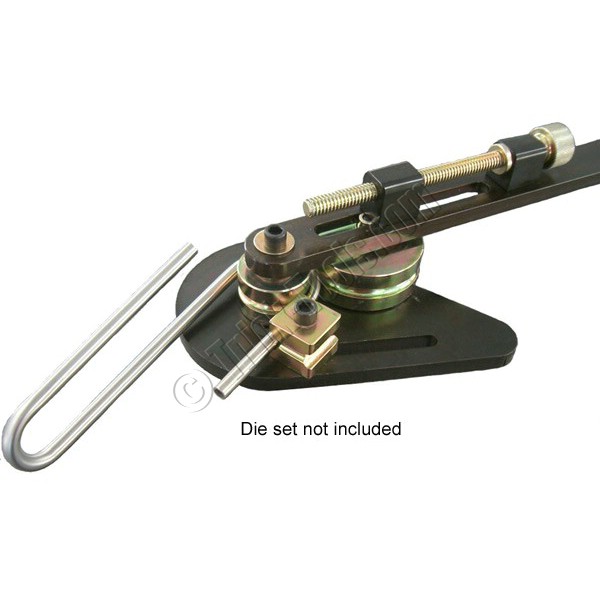


 when doing 180s. The roller is definitely the way to go but my setup wasn't rigid enough
  tree that will provide some light for your gauges? Or did I skim over that part?


 Beginner's luck.
