Think about that sentence - it's not saying anything at all. It's no different than your coworker at the water cooler shrugging their shoulders and saying "I dunno, maybe it's broken?"
As part of the natural process of a dehumidifier working, it HAS to add heat to the room - it has no choice. The more humid the air is, the more heat will be added to the room. On top of that, the dehumidifier itself consumes electricity which gets turned into heat, adding even more heat energy to the room.
Every dehumidifier will make the space warmer. How much warmer depends on how humid the space is, how big it is, how well insulated it is, the outdoor temperature and how powerful the dehumidifier is. The smaller the space, the warmer it gets. The more humid the space is, the warmer it will get. This past week, it was super hot and humid in New England. That means your dehumidifier would have stayed on for longer (putting more heat into the space), and the space will naturally lose less heat (because it's hotter).
A more efficient dehumidifier will shave off some heat, but there will always be heat added to the air because the laws of physics dictate it has to.
That's the point I'm trying to make. Dehumidifiers consume a lot of power. Running dehumidifiers instead of the AC in the summer is false economy for the most part.
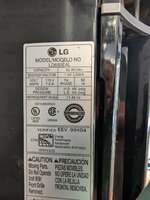
Your LG dehumidifier uses as much power as a modern ~8,000 BTU window air conditioner. Your SantaFe unit uses about as much as a 6,000 BTU window unit. So if you're going to sit there plowing as much power as 14,000 BTU worth of window air conditioners would, you might as well get cool rooms out of the deal.