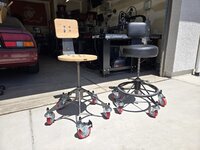
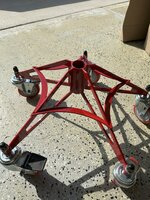
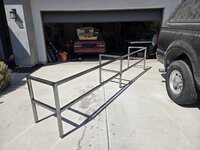
One project I had just started on yesterday was one that a repeat customer had mentioned to me.
He showed me this youtuber that had made his own tabletop jackstands - they're meant for holding up an axle or something similar along those lines.
Being me, I told him not to buy any files as it's super easy to reverse engineer it and just draw it up on CAD.
The idea actually stemmed from the remaining ACME screw cutoffs he had (he ordered a stool kit from me), and wouldn't you know it, I do too.
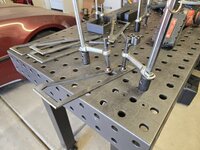
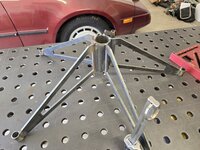
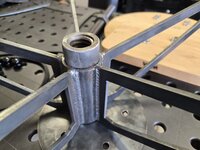
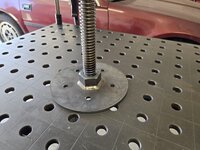
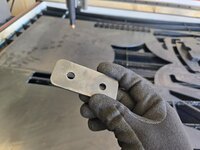
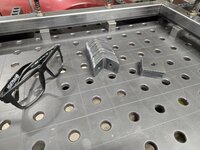
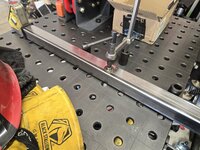
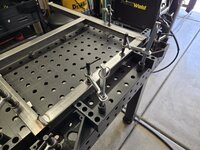
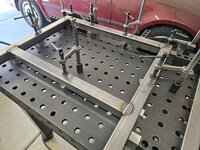
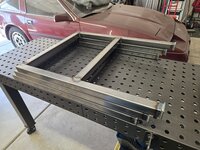
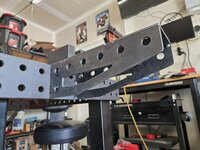
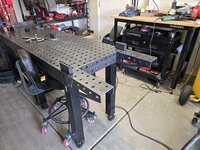
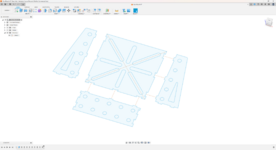
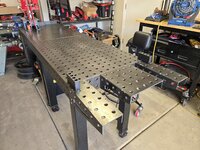
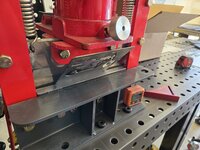
So here's the base of the stand, testing to ensure it fits my fixture table correctly.

Now, I won't say I didn't make a mistake because I did - two if you count the fact that I'm doing this from scratch and forgot to add a feature the original creator added.
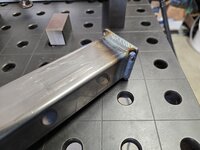
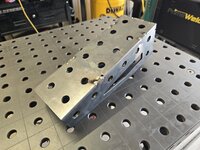
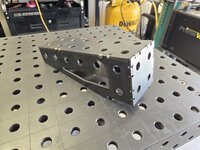
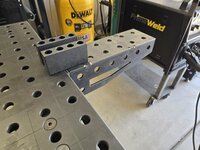
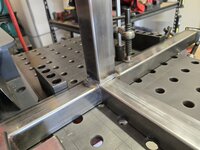
First mistake is that I didn't include a hole or cutout at the bottom of the baseplate. No matter though as this just changes the order of assembly (easy fix). The second is that I left out a notch I added to the updated upright here which allows the tops to sit over each other to form a square up top. All the other dimensions were absolutely perfect however.

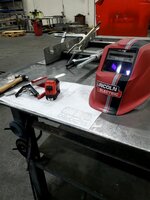
I don't do things in 3D, and I really should but being self-taught, I normally go about it the way blueprints are done. They use the same item, depicted with different views to help lay out all your measurements accurately and easily.
Like I said, spot on.

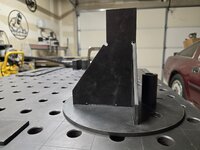
All that's left now is the top where the ACME screw will sit inside, along with the top "mount" that will hold up whatever the item is that needs supporting.
Just got done drawing one part now.

The real gotcha here is if I really want to improve on this design, I could opt to use ACME nuts and create a mount that gets welded to the top of each one allowing the end user to change the mount used on top of the ACME screw?
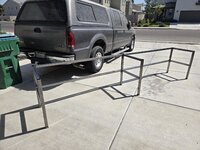
Oh and yes I should add, I'll need to cut those uprights once more to include the tab for the top plate

That or simply notch them out manually.
We'll see what I come up with!