It takes a huge investment in infrastructure, essentially duplicating the supply mains.
No other city has had a catastrophe like the San Francisco earthquake and fire. And, as mentioned building an entirely separate water distribution system would be an immense expense.
I get that it would be installing a duplicate system & the expense would be great. Too bad they didn't learn from S.F. & build it that way as they went along. Or started running the second piping as original sections have been replaced over the years. We've had over 100 years.
S.F. lost 28,000 buildings in 1906. L.A. County "only" lost 16,000 in 2025. Not as much, but still enough to take steps to prevent a repeat.
At this point individual automatic cutoffs that protect the hydrant water supply would be cheaper than the parallel system. And if they could be added at the curb with the meter, then the variations in homes would less of an issue. And coud be installed by the water co. Maybe they would be triggered by temperature, sort of a reverse to the fire sprinklers used inside of buildings. Heat expansion breaking a bulb or melting a soft metal. The street was awful hot that day in the Palisades. Trash cans left at the curb looked like melted pizza boxes. Even so, it woud take some work to design a heat triggered valve that would work below ground level in a meter box.
Or maybe it should be tripped by extreme wide open water flow. Or some sort of wireless signal that the fire dept. controls, since the meter readers already use that type of signal to read the meters.
They haven't identified themselves as 'fire-prone major cities' and honestly, I agree with them. I think it's reasonable to assert that there's no such thing.
Isn't the first step to recovery admitting you have a problem?
It probably stands out more to me because we're surrounded by it. The Jan 7, 2025 Altadena fire stopped about 4 blocks from home. Multiple friends lost homes. Long time businesses on major streets are gone. No damage at home, but lots of soot, ash, & charred foam. Lots & lots of neighborhoods were toast.


And I do work in the Palisades. Much of it was destroyed. I shot this about 3 weeks later.
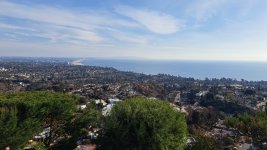
I wouldn't consider all of L.A. to be fire prone, but the some areas seem to be. And our periodic heavy winds make that much worse.
We have what they call Santa Ana winds several times per year. 35-70 mph dry winds coming down from the high desert. Most of the time my neighborhood is somewhat protected by the mountains to the North. But every 10 to 20 years the winds come down through a different path & we get hit pretty hard. Like they're being compressed coming through a canyon & aimed at us. 2025 was one of those bad years.
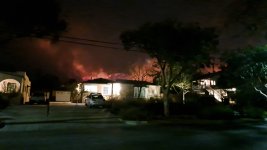
This was only a small part of that 2025 fire, but it was intense to see it with the wild wind blowing at you. As the night went on the smoke was so thick that you couldn't see any of this.
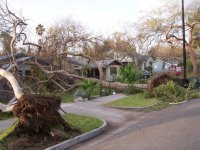
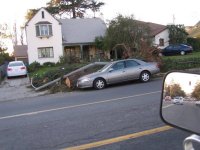
2011 was another extreme wind year. No fires that time, but we lost many trees within 1/2 mile of home. If there had been fire, it would have been tough to contain in those conditions. Especially without water.

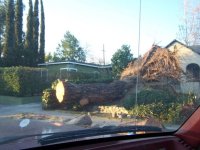
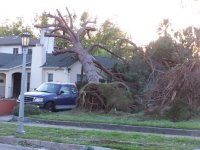

In 1993 the Kinneloa fire took almost 200 buildings. That was a regular Santa Ana wind, not one of those extreme years. One guy died. A.V. Wagner, who was 98. I knew him & went by to check on him because he was the stubborn type & would stay to defend his place. He was, with a garden hose. He had already been taken to the hospital by the time I got there. The footprint of this fire is essentially where the 2025 Altadena fire first hit homes. Hydrant water pressure was also an issue, but caused by lost power to the pumps.
In the 80s those extra strong winds blew open all & tore off half of the 2nd story windows at my house. Only 1 house that I know of was lost to fire that year, but the FD had water to work with. Thankfully it did not get away. But the embers driven from it were wild & showering the house next door. I woke up my neighbors in the middle of the night because they needed to be aware that their house was under that threat.
As mentioned earlier, my boss lost his home in the 1980 Bradbury fire. That one was also a wind event & ran out of water to the hydrants due to burned homes with wide open leaks. 60ish homes were lost in that small community.
I think there are steps that could be taken.
-Protect fire hydrant water supplies. Burned home leaks, water storage, pressure even if power is cut. We've known about this one long enough to quit pretending that it is a surprise. We have brave people out there to fight these fires. We need to give them the tools.
-Require class A fire rated roofing materials in fire prone areas. Should it be every house or only when re-roofing? Tax incentives? Cheaper than flying planes.
-Require fire hardening of homes in fire prone areas.
-Better enforcement of brush clearance of private property.
-Better brush clearance of public lands near communities. Restore our old firebreaks that were abandoned. Currently fire crews try to hand cut fire breaks as the fire is moving.
-Phos-chek type dispensing sprinkler systems in certain locations. Expensive? Not compared to flying planes. And those work when planes can't fly due to winds.


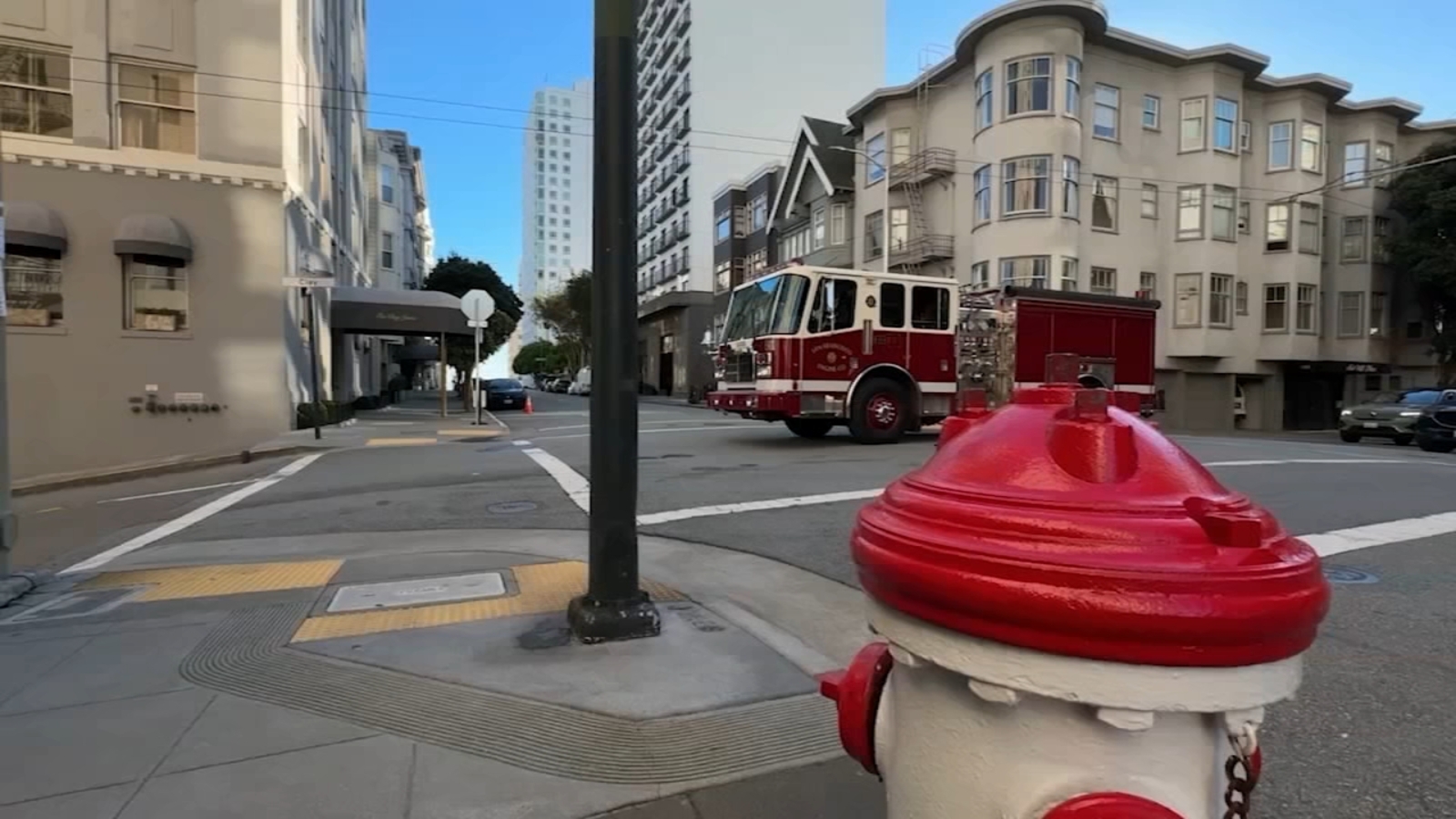

 You can use the app or press a button on the unit itself to turn the water back on. My wife had no problem turning the water back on after one of the unexpected shutoffs.