More info:
Chevy Avalanche Bolt-Together Overland E-Bike Rack Build Concept
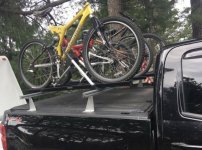
I’m designing a DIY bolt-together over-bed rack for a Chevy Avalanche that will carry heavy e-bikes above the factory tonneau covers while still allowing locked cargo storage underneath.
Goal is:
- no welding required
- modular construction
- strong enough for highway use and Colorado roads
- fabricated mostly with beginner/intermediate tools
- possible future expansion for overlanding accessories
I’d love feedback from fabricators on:
- tubing sizing
- bolt-together joint strength
- anti-wobble strategies
- Avalanche mounting points
- fatigue resistance
- improvements before I move into CAD drawings
Base Design Goals
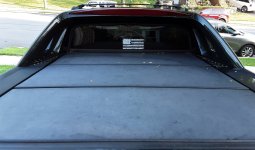
Truck: Chevy Avalanche with factory tonneau system.
Design targets:
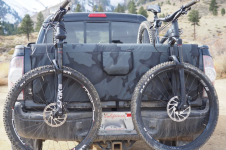
- Carry 1–2 e-bikes
- 65–80 lb bikes each
- Preserve full tonneau functionality
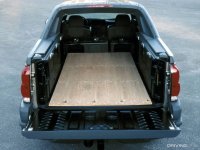
- Keep bed usable underneath
- Medium-height over-bed rack
- No permanent welding required
- Modular bolt-together construction
Target rack height:
- 18–22 inches above bed rails
- Low profile preferred
Overall Rack Layout
Concept is basically:
- two side ladder frames
- connected with removable crossbars
- diagonal braces for anti-wobble rigidity
Bike trays mount front-to-back on upper crossbars.
SIDE VIEW
2x2 upper side rails
Approx side length: 58–60 inches
Approx upright height: 18–20 inches
Diagonal braces: 12–18 inches
Rear View Concept
2x3 crossbar
approx crossbar width: 62–66 inches depending on actual truck measurements.
Planning on:
- 3 removable crossbars
- bike trays mounted to top
- possible future cargo basket or recovery board mounts
Material Selection
Main structure: 2x2x.120 wall square tubing
Crossbars: 2x3x.120 wall rectangular tubing
Diagonal braces: 1.5x1.5 or 2x2x.120 wall
Mounting feet: 1/4 inch steel plate
Gusset plates: 3/16 inch steel plate
Hardware: 3/8-16 Grade 8 bolts with Nylock nuts
Reasoning: Wanted to avoid thin tubing because of:
- heavy e-bikes
- highway wind loads
- dynamic loading over bumps
- fatigue concerns
Estimated Weight and Loading
Estimated rack weight: 140–185 lb
Bike setup: 2 e-bikes @ 75 lb each Bike trays approx 25–40 lb total
Estimated static load: ~190 lb
Using roughly 3x dynamic factor: 500–600 lb effective design load
Trying to overbuild slightly for safety and stiffness.
Bolt-Together Joint Design
Current idea is sandwich-plate joints using:
- 3/16 steel gusset plates
- 4 bolts per major corner
- through-bolted tubing
Example concept:
2x2 upper tube 3/16 plate outside, 3/16 plate inside upright tube
Hardware:
- 3/8 Grade 8 bolts
- large washers
- Nylock nuts
Possibly adding crush sleeves inside tubing if necessary.
Would love suggestions on:
- best anti-rotation joint design
- ways to reduce flex
- whether larger bolts are worthwhile
- whether slotted joints are a bad idea
Anti-Wobble Strategy
I know bolt-together racks can rack/sway badly if not triangulated properly.
Current plan:
- diagonal braces on both side frames
- gussets at every major corner
- 3 crossbars instead of 2
- wide mounting feet
- removable but heavily reinforced crossbars
Would appreciate feedback from anyone who has built bolt-together overland racks before.
Avalanche Mounting Strategy
Trying to avoid:
- drilling through tonneau panels
- weak sheet metal attachment points
Current thought:
Mount to strong bed rail / cladding support areas
- wide mounting feet
- rubber isolator pads
- backing plates where accessible
Foot concept:
Approx foot size: 4x6 inches minimum 1/4 inch plate
Would really appreciate Avalanche-specific advice here.
Fabrication Plan
Trying to build this with beginner/intermediate tools.
Planned tool list:
- chop saw or portable bandsaw
- drill press
- angle grinder
- clamps
- squares
- step bits
- hand tools
Fabrication sequence:
- Measure truck carefully
- Create cardboard templates
- Cut all tubing square
- Drill all holes before assembly
- Assemble side frames flat on garage floor
- Install side frames on truck loosely
- Measure exact crossbar width on truck
- Install crossbars
- Square structure
- Tighten progressively
- Add diagonal braces
- Test drive empty
- Retorque all hardware
- Install bike trays
- Test drive with one bike first
Possible Future Additions
Potential future upgrades:
- recovery board mounts
- rear chase lights
- side scene lighting
- awning mounts
- rooftop cargo basket
- tie-down points
- integrated wiring channels
Questions for Fabricators
- Would you change tubing size or wall thickness?
- Are there better bolt-together joint strategies?
- Would aluminum crossbars make sense?
- Any concern about fatigue cracking?
- Best way to prevent wobble without welding?
- Best mounting strategy for Avalanche bed structure?
- Are crush sleeves worth adding?
- Would rivnuts or backing plates be preferable?
- Any obvious weak points in this concept?
- Any recommendations before I move into CAD drawings?
Thanks in advance for any feedback. I’m hoping to refine this into a fully dimensioned fabrication drawing package next.