Beerhippie
Well-known member
That sounds delicious!High Dessert Swap Meet
BTW, you do ****. Really ****.


That sounds delicious!High Dessert Swap Meet
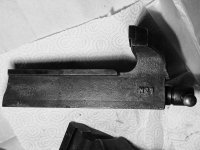
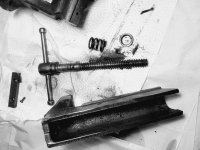
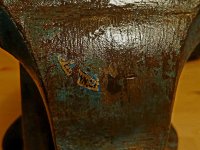 Today it was dismantled, cleaned (the b&w photos are from pre-soaking) & put back together - all went well. It was rewarding to bring this old Paramo back to full working order. Intending to leave it as is, rather than repaint.



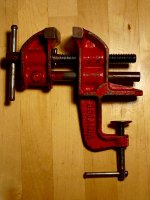
Tempting, but for $15 I can get a Stanley 743 clamp-on bench vise. This one is post 1958. Needs cleanup though.And you're not in for $14?


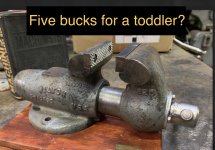

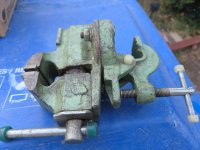
think they're Soviet or Polish (pre-1989) -- I have one with same cast-in logo, similar design but rounded and steel ends to tommy-bar etc, and original silver/blue paint -- solidly madeI saw this for sale for $14 on Craigslist. Likely an import. The workbench clamp mechanism is a bit unique. Not sure of the size but likely 2-2.5” wide jaws.
https://www.craigslist.org/view/d/newbury-park-bench-vise/ktsvp8G6CmDziLcZngJo1W
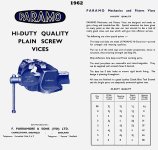
Thank you, appreciated.paslemeilleur: Some vice information for you.
Gets it closer to the front edge. The two ears with the widest gap between them go forward, allows working long stuff over the edge vertically easier.what is the reason for the odd shape?
Hello!think they're Soviet or Polish (pre-1989)