
pauls_workshop
Well-known member
So most of us know that the cordless tools are useful and for many are the only tools they have now for a given type of tool. But those who have been around a while also know that the changes in voltages and battery styles (9.2, 12, 14.4, 16.8, 18, 19.2, 20, etc) and then being abandoned and orphaned by the manufacturer every few years as they force you to rebuy tools and batteries gets really old. This particular example will be Black and Decker and Ryobi.
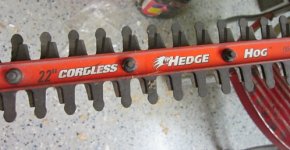
I had a couple 18 volt slide style Black and Decker yard tools - a weedwacker and a bush hedger that had dead batteries. I think of B&D more as Dewalt lite than junk. Their yard tools are really very good for the cost but their batteries have been pretty terrible. I picked up both of these and the dead batteries for $15 from a garage sale. I love their corded 8.5 amp 4.5" grinder too as high value for the dollar, but that is another story.
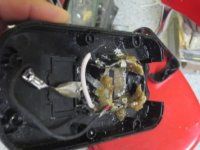
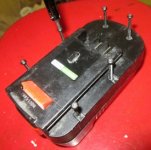
Anyway, I wanted to use and save these tools but did not want to buy new batteries or repack these old ones either. I mainly have Ryobi 18 v one + cordless tools and many of them. So for convenience, I wanted to convert these old tools to use Ryobi 18v batteries. This thread will show how I did that. The principles here can apply to ANY tool! The details of the process will vary depending on what you are going from to what you are going to. This whole project took me about 4 hours of shop therapy time to make it work. I enjoyed it! Also, I'm by no means the first to do this - many others have too, but my version uses the same battery click feature as the original Ryobi tools had, so they fit tight and snug and you don't notice it was a B&D doctored up when you are done. This method uses the old battery pack to be a converter pack for the new Ryobi battery to fit. Another way to do it is to directly modify the tool itself to directly use the new battery pack. I've done that too in the past. Older Craftsman C3 to Ryobi batteries work great for that because they are only slightly different anyway.
Legal: No guarantees on anything working for you. Manufacturers obviously will have a cow about this and I am not endorsing anyone do this nor responsible if you do, but this was my experiment! Generally, you are safe to use same voltage on new as old or slightly higher (18 could use 20 volt pack, 14.4 to 18, etc, but your mileage may vary and there could be some tools that don't like whatever you try to do.) Have fun! - Paul
I had a couple 18 volt slide style Black and Decker yard tools - a weedwacker and a bush hedger that had dead batteries. I think of B&D more as Dewalt lite than junk. Their yard tools are really very good for the cost but their batteries have been pretty terrible. I picked up both of these and the dead batteries for $15 from a garage sale. I love their corded 8.5 amp 4.5" grinder too as high value for the dollar, but that is another story.
Anyway, I wanted to use and save these tools but did not want to buy new batteries or repack these old ones either. I mainly have Ryobi 18 v one + cordless tools and many of them. So for convenience, I wanted to convert these old tools to use Ryobi 18v batteries. This thread will show how I did that. The principles here can apply to ANY tool! The details of the process will vary depending on what you are going from to what you are going to. This whole project took me about 4 hours of shop therapy time to make it work. I enjoyed it! Also, I'm by no means the first to do this - many others have too, but my version uses the same battery click feature as the original Ryobi tools had, so they fit tight and snug and you don't notice it was a B&D doctored up when you are done. This method uses the old battery pack to be a converter pack for the new Ryobi battery to fit. Another way to do it is to directly modify the tool itself to directly use the new battery pack. I've done that too in the past. Older Craftsman C3 to Ryobi batteries work great for that because they are only slightly different anyway.
Legal: No guarantees on anything working for you. Manufacturers obviously will have a cow about this and I am not endorsing anyone do this nor responsible if you do, but this was my experiment! Generally, you are safe to use same voltage on new as old or slightly higher (18 could use 20 volt pack, 14.4 to 18, etc, but your mileage may vary and there could be some tools that don't like whatever you try to do.) Have fun! - Paul







 This is why I call it "shop therapy". This little project was also waiting in the wings for me for about 2 years to complete it! I'm off a few days around Christmas here so finished it up and posted this for others to enjoy.