Packard V8
Well-known member
Yesterday, I picked up a Chas. Parker 433-1/2 vise.

The Parkers are considered one of the best general purpose vises ever built. However, like any cast iron implement. it was constructed with a few rough edges. Depending upon how much hard use they've suffered, most of the Parkers I've operated require from one-half turn to four turns of the handle to reverse the vise from opening to closing.
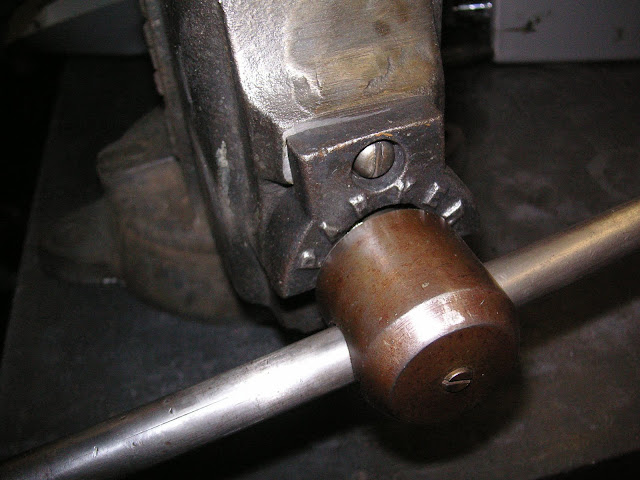
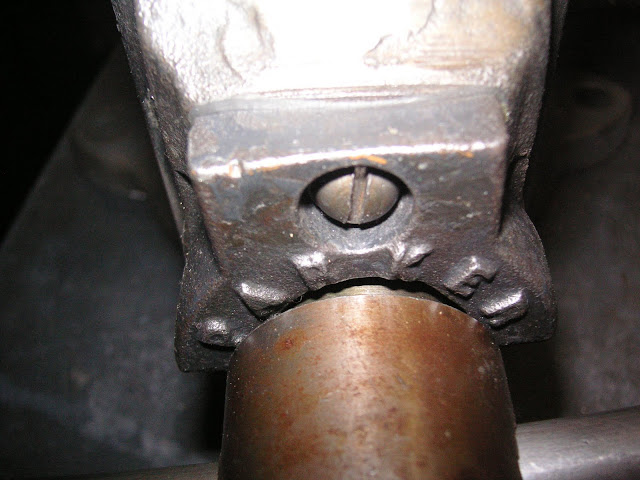
Now with one of my own, I decided to see how precise I could make one operate. There are three areas which can get loose. The first, the front collar which opens the vise, is a simple casting which was never machined. It was patterned with a curve on the inside mounting face which insured contact at the outer edges. I began filing and fitting the collar to the movable jaw. By the time I was done, all the as-cast area showing here was filed smooth. Inside the collar, where it contacted the screw collar, was as cast. I used a Dremel grinder to smooth worn areas and increase the contact area. Inside also was completely smooth and shiny when I finished with it.
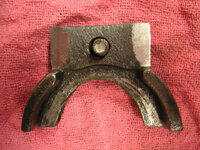
Where the collar meets the movable jaw, I filed the jaw flat.
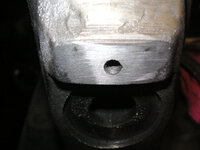
In order for the screw and collar to fit closely, the screw needs to be located in the movable jaw. The screw is 3/4" OD and the hole in the movable jaw is roughly 7/8" ID as cast. This clearance allows the screw to move in an orbit. To keep it aligned, I made a brass bushing to fit over the screw and inside the two spacer washers. With a half round file, I fitted the hole in the movable jaw to the same diameter as the OD of the bushing. This keeps the screw, the movable jaw and the front collar aligned. Without this bushing, the fitting of the collar to the screw is problematic.
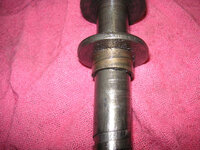
Once everything was in place, I used Prussian blue to check the contact between the collar and the screw. A few final licks with the file and the Dremel and there is zero play between them.
This Parker will now reverse with 1/8-turn of the handle and that bit of play is inside the screw nut. That's the way a precision vise should feel and none of the tuning is visible.
jack vines
The Parkers are considered one of the best general purpose vises ever built. However, like any cast iron implement. it was constructed with a few rough edges. Depending upon how much hard use they've suffered, most of the Parkers I've operated require from one-half turn to four turns of the handle to reverse the vise from opening to closing.
Now with one of my own, I decided to see how precise I could make one operate. There are three areas which can get loose. The first, the front collar which opens the vise, is a simple casting which was never machined. It was patterned with a curve on the inside mounting face which insured contact at the outer edges. I began filing and fitting the collar to the movable jaw. By the time I was done, all the as-cast area showing here was filed smooth. Inside the collar, where it contacted the screw collar, was as cast. I used a Dremel grinder to smooth worn areas and increase the contact area. Inside also was completely smooth and shiny when I finished with it.
Where the collar meets the movable jaw, I filed the jaw flat.
In order for the screw and collar to fit closely, the screw needs to be located in the movable jaw. The screw is 3/4" OD and the hole in the movable jaw is roughly 7/8" ID as cast. This clearance allows the screw to move in an orbit. To keep it aligned, I made a brass bushing to fit over the screw and inside the two spacer washers. With a half round file, I fitted the hole in the movable jaw to the same diameter as the OD of the bushing. This keeps the screw, the movable jaw and the front collar aligned. Without this bushing, the fitting of the collar to the screw is problematic.
Once everything was in place, I used Prussian blue to check the contact between the collar and the screw. A few final licks with the file and the Dremel and there is zero play between them.
This Parker will now reverse with 1/8-turn of the handle and that bit of play is inside the screw nut. That's the way a precision vise should feel and none of the tuning is visible.
jack vines
Last edited: