For general interest goods, fleaBay is nothing but a treacherous hive of scum and villainy, and has always been that way.
For extremely niche items, it's great. Sellers can find the two people on the planet interested in the thingy they're selling, and buyers can find the one seller on the planet who has the whatsit they want. I'm talking about the kind of stuff where you're punching in a part number that was discontinued in 1984.
I've bought hundreds of obscure vintage motorcycle parts on fleaBay without a single issue. (Quite a few have been from the same few niche sellers.) But if you're buying something of general interest like a laptop computer, you're gonna get a brick in a box at the absolute best. Same goes for things where the supply chain matters, like spark plugs -- eBay and Amazon are stuffed with counterfeits.
There are also hundreds of auto junkyards hawking stuff on fleaBay too -- anything that will fit in a reasonably sized box. I have a part for my wife's car on the way right now, in the correct paint color and everything. I never would have found it locally, and would have spent ten times or more on new parts and paint. They have teams of people posting and selling on eBay all day every day, and generating
It's also great for industrial supplies and surplus. I know a guy who was in procurement for a large factory, and finally convinced the muckety-mucks to let him set up an eBay account. He saved hundreds of thousands of dollars on things like weird parts for old machines.
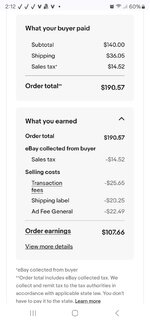
What has gotten worse over time are eBay's fees and shipping costs. However, when you're in a market for very niche items, cost matters less and less the more obscure it is. To some degree, buyers will pay whatever it takes, but sellers can't go to an extreme when the entire potential market for an item is five people.
FleaBay is like any other tool; you have to know how and when to use it. Same goes for Amazon, RockAuto, FB Marketplace, McMaster-Carr, and all the other marketplaces and suppliers. Try using a ratchet as a hammer and you're gonna have a bad time. Understand the strengths and weaknesses of each, protect yourself, and choose the right tool for the job.

 They don't "fake" odd and uncommon old industrial parts.
 it's a customs thing. It works the same way the other direction too.