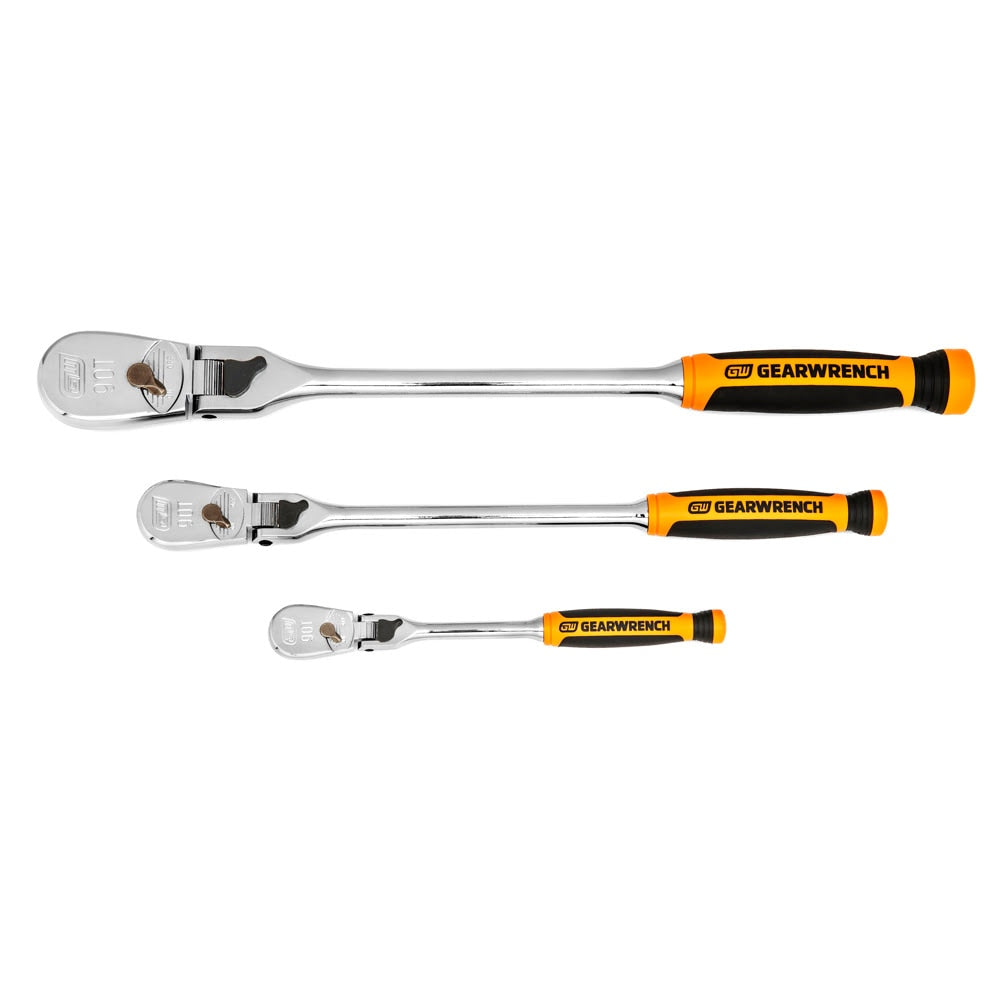
The 120XP is a 60 tooth anvil gear. The gear and pawl teeth are not actually fine, but there are 2x stacked pawls so each one is thinner. The pawls alternate with a 50% overlap making it "feel" like 120 teeth, but in reality it is 2x60 tooth mechanisms alternating.
If the mechanism fails by sheering at the anvil like most quality ratchets, in theory it should be just as strong despite the "delicate" subjective feel. The teeth are coarser than a 90 tooth mechanism, so may actually be more resilient to wear, grit, swarf, etc.
This is why I mentioned inflation, it directly applies to your chosen example, and is an example of why a basic understanding of inflation is important:
If you paid $100 30 years ago and sold them for $100 today, you lost well over 50% adjusted for inflation (as shown by you mentioning the set is $300 now, which suggest 2/3 value lost if sold today for $100, despite selling for the "same" price).
ie, the "more than i originally paid for them" comment
is moot as it's not true when you consider inflation; $1 spent in 1995
is not the same value as $1 gained in 2025. It might feel good to sell something for the same price you bought it for 30yrs ago, but it's a fallacy.
This is one example where buying a quality item
is an investment: some things aren't made like they used to be, and are excellent second hand investments as they're already depreciated and will retain value.
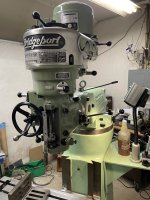
Very nice Bridgeport you have there, I'd say you put >$2000 worth of skilled labour restoring it to make it look that nice, but we don't count our time in our hobbies



 www.bbc.com