The point that is being missed in this thread is that although motors are designed to run at +/- 10% of nameplate voltage, however,
prolonged/continuous running at these threshold voltages greatly shortens the life of the motor due to heat. Intermittent voltage variations throughout the day is expected and is the intended reason to build in the voltage range for motors. Every 10 degrees C total temp rise will decrease the winding insulation life by 50%.
Refer to the ECMWeb article in the above post and read it in full.
RNSCustom states the original motor was a 200V nameplate. Then running it at 220V (I’ll assume that is your measured applied voltage at the motor for whatever reasons – utility, wire size, bad cons, whatever…), you were at the +10% limit (continuously I assume) and therefore well on the way to achieving only 50% motor life.
Now putting a 230V motor onto a delivered 220v, would put you running in the -5% range or less depending on actual motor load applied. Even with full load applied to the motor, this is much better than being out at +10%.
As for the OP, since there is no prior data as to the operating point of the motor(s), it is a little bit of a guessing game as to where the problem is.
Maybe moving up to a 5HP will solve your problem. You however now have an entire new set of things to consider:
Wire size, cb size, OL heater size, or Pressure switch contact ratings and voltage drop on startup. If startup voltage does drop off with the 5 Hp, your contactor may drop out on low voltage. Running a 5HP motor lightly loaded is not efficient either and that will cost you more $ in lower motor efficiency.
The 3 HP motor may still be the better choice. Really can’t say for certain as none of the details before failure are available.
For either size motor you choose,
using Aceman’s startup sequence will give you an operating point – immediately and for future reference.
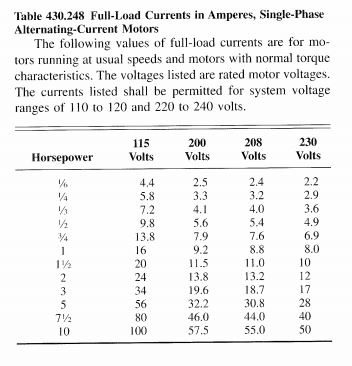
Motor efficiencies are improving all the time so going by motor FLA’s is not a clear cut indicator of BS or not. A motor with a stated HP (not “SPL”) will deliver the rated HP and with the SF stated.
The Leeson motor you found clearly indicates it is 3HP continuous and 5HP at Torque Breakdown (read the fine print). 5HP sounds great, but that liquidation website is purposely misleading the buyer. Breakdown torque is not an operating point that you want to be ever running in or near.


![20170705_181426[1].jpg](/forum/data/attachments/520/520646-7c4245e63ad5d115a41de17158af02b0.jpg)
![20170705_180807[1].jpg](/forum/data/attachments/520/520839-1e4bf2cff1c6f7b4f06a99058fd032e0.jpg)
![20170705_180740[1].jpg](/forum/data/attachments/520/520803-b425988a8420e5b69852196cdb8e4114.jpg)
![20170705_180632[1].jpg](/forum/data/attachments/520/520770-5bdd6f3657f150596dd9fa3bcffba719.jpg)
![20170705_180746[1].jpg](/forum/data/attachments/520/520731-d35414b67ebbac7224fafc81287f1a11.jpg)
![20170705_180624[1].jpg](/forum/data/attachments/520/520878-8b8264c27e6f5670dcdc99df604ef09b.jpg)

![20170805_142553[1].jpg](/forum/data/attachments/539/539772-af9e9826a85f8979766afac64eb4f56f.jpg)
![20170805_143145[1].jpg](/forum/data/attachments/539/539820-1d8222cde8f6be9a3b7215f082e87cfc.jpg)
![20170805_142536[1].jpg](/forum/data/attachments/540/540036-87e799e8cdd4cc185dd189ff3a9d519b.jpg)