Mark in Indiana
Well-known member
THE START OF THE VISE RESTORATION JOURNEY!
Hello Vise Friends,
This is my story about a very challenging vise restoration. The vise is a FPU machinist's vise, manufactured by Bison-Bial in Poland, in the 1950s. I purchased it at a “pick” that I traveled 70 miles to. Paid 50$ for it. Not only did it have the normal amount of rust & coats of aerosol overhaul, it was missing a base foot and the swivel base lock handle. However, it had smooth movement and there were no other apparent defects.
Anyone would rightfully say that I'd be crazy for buying this broken vise for more than a couple of dollars. Here are the reasons that I purchased it:
1. It's a FPU, manufactured by Bison. Bison is a top shelf brand. It's an extremely well engineered vise that needed a home.
2. It looks cool, and has the movement that is reverse to the majority of bench vises.
3. Since it was made in Poland. There is a personal connection to it, as my Father was born there.
4. The challenge of this restoration: I've restored dozens of vises over the past 7 years. Most restorations are; disassemble, clean, polish, paint, lubricate & reassemble. I've also created bookends and other folk art with vises. Up until now, the biggest challenge was to free up a 100 year old Reed that had been setting outside in the mud for 20 years.
This restoration challenge is different because I want to do it without the use of equipment that wouldn't be available in the average garage (milling machine, lathe, welder, etc). The missing foot would have to be replaced without using a milling machine and OX/ACY torch and the missing swivel base handle would have to be made without a lathe.
On a side note, I would like to thank my GJ friend “mali” for teaching me the Polish word for vise: IMADLO. Also for his encouragement and links to the Polish online sellers' sites that feature pojawi się. I hope that I got that word right.
Thanks also to Drives and others for the encouragement and guidance.
For your review I've linked the Bison-Bial website here:
http://www.bison-bial.com/vises/machine-vises
Also the company history here: http://www.bison-bial.com/history
About my FPU vise:
FPU stands for FABRYKA PRZYRZADOW UCHWYTOW
(Google translation: Factory Tool Grip?)
Model #PJWK 80
Jaw size: 80mm (3.15”)
Jaw depth: 65mm (2.36”)
Maximum safe opening: 95mm (3.74”)
Overall weight: 12.25kg (27#)
This vise is similar to the Bison-Bial #1240-80, still manufactured today. Sometimes known as a dovetail vise. This leads me to wonder: What are the advantages and disadvantages of a reverse movement vise to the standard movement bench vise? I've brought this question on another thread and got some answers. If there are any vise experts that know, please reply.
Note: Some of the information here was already posted on the Vise Repair 101 thread to discuss some of the individual repairs.
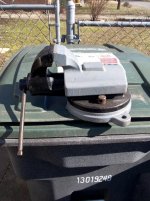
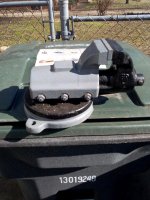
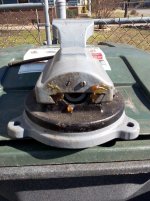
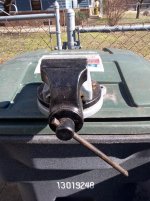
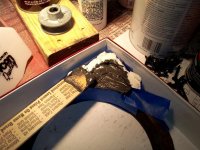
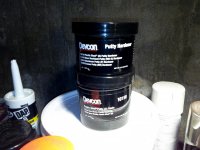
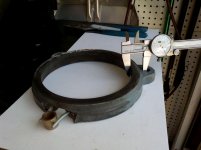
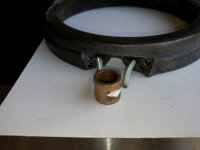
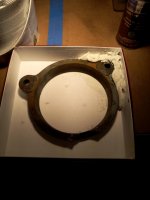
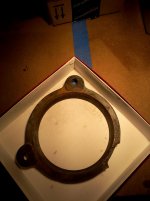
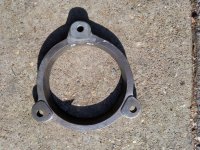
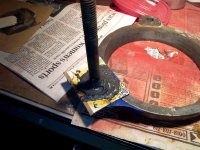
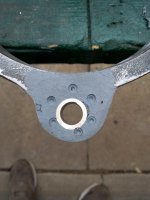
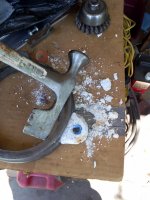
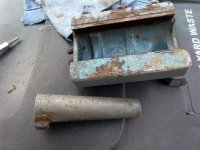
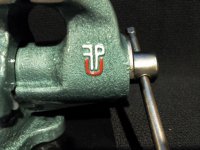
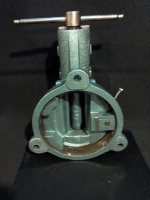
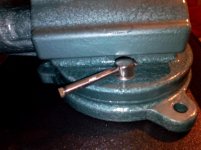
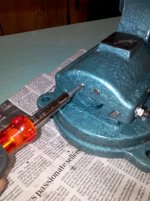
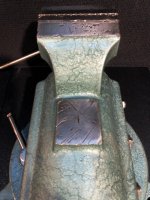
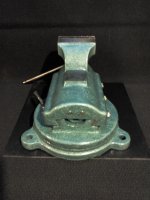
The pictures below is of my FPU vise as purchased, before disassembly:
Hello Vise Friends,
This is my story about a very challenging vise restoration. The vise is a FPU machinist's vise, manufactured by Bison-Bial in Poland, in the 1950s. I purchased it at a “pick” that I traveled 70 miles to. Paid 50$ for it. Not only did it have the normal amount of rust & coats of aerosol overhaul, it was missing a base foot and the swivel base lock handle. However, it had smooth movement and there were no other apparent defects.
Anyone would rightfully say that I'd be crazy for buying this broken vise for more than a couple of dollars. Here are the reasons that I purchased it:
1. It's a FPU, manufactured by Bison. Bison is a top shelf brand. It's an extremely well engineered vise that needed a home.
2. It looks cool, and has the movement that is reverse to the majority of bench vises.
3. Since it was made in Poland. There is a personal connection to it, as my Father was born there.
4. The challenge of this restoration: I've restored dozens of vises over the past 7 years. Most restorations are; disassemble, clean, polish, paint, lubricate & reassemble. I've also created bookends and other folk art with vises. Up until now, the biggest challenge was to free up a 100 year old Reed that had been setting outside in the mud for 20 years.
This restoration challenge is different because I want to do it without the use of equipment that wouldn't be available in the average garage (milling machine, lathe, welder, etc). The missing foot would have to be replaced without using a milling machine and OX/ACY torch and the missing swivel base handle would have to be made without a lathe.
On a side note, I would like to thank my GJ friend “mali” for teaching me the Polish word for vise: IMADLO. Also for his encouragement and links to the Polish online sellers' sites that feature pojawi się. I hope that I got that word right.
Thanks also to Drives and others for the encouragement and guidance.
For your review I've linked the Bison-Bial website here:
http://www.bison-bial.com/vises/machine-vises
Also the company history here: http://www.bison-bial.com/history
About my FPU vise:
FPU stands for FABRYKA PRZYRZADOW UCHWYTOW
(Google translation: Factory Tool Grip?)
Model #PJWK 80
Jaw size: 80mm (3.15”)
Jaw depth: 65mm (2.36”)
Maximum safe opening: 95mm (3.74”)
Overall weight: 12.25kg (27#)
This vise is similar to the Bison-Bial #1240-80, still manufactured today. Sometimes known as a dovetail vise. This leads me to wonder: What are the advantages and disadvantages of a reverse movement vise to the standard movement bench vise? I've brought this question on another thread and got some answers. If there are any vise experts that know, please reply.
Note: Some of the information here was already posted on the Vise Repair 101 thread to discuss some of the individual repairs.
The pictures below is of my FPU vise as purchased, before disassembly:

















 I'm with you on the golf (that game just pisses me off)
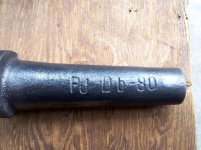
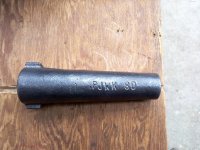
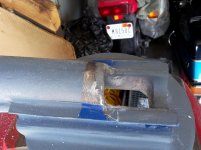
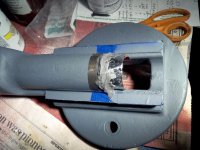
 I picked this vise up for $50. Didn’t realize what I had until I stripped off the layers of black spray paint.