I'll try and answer these the best I can...
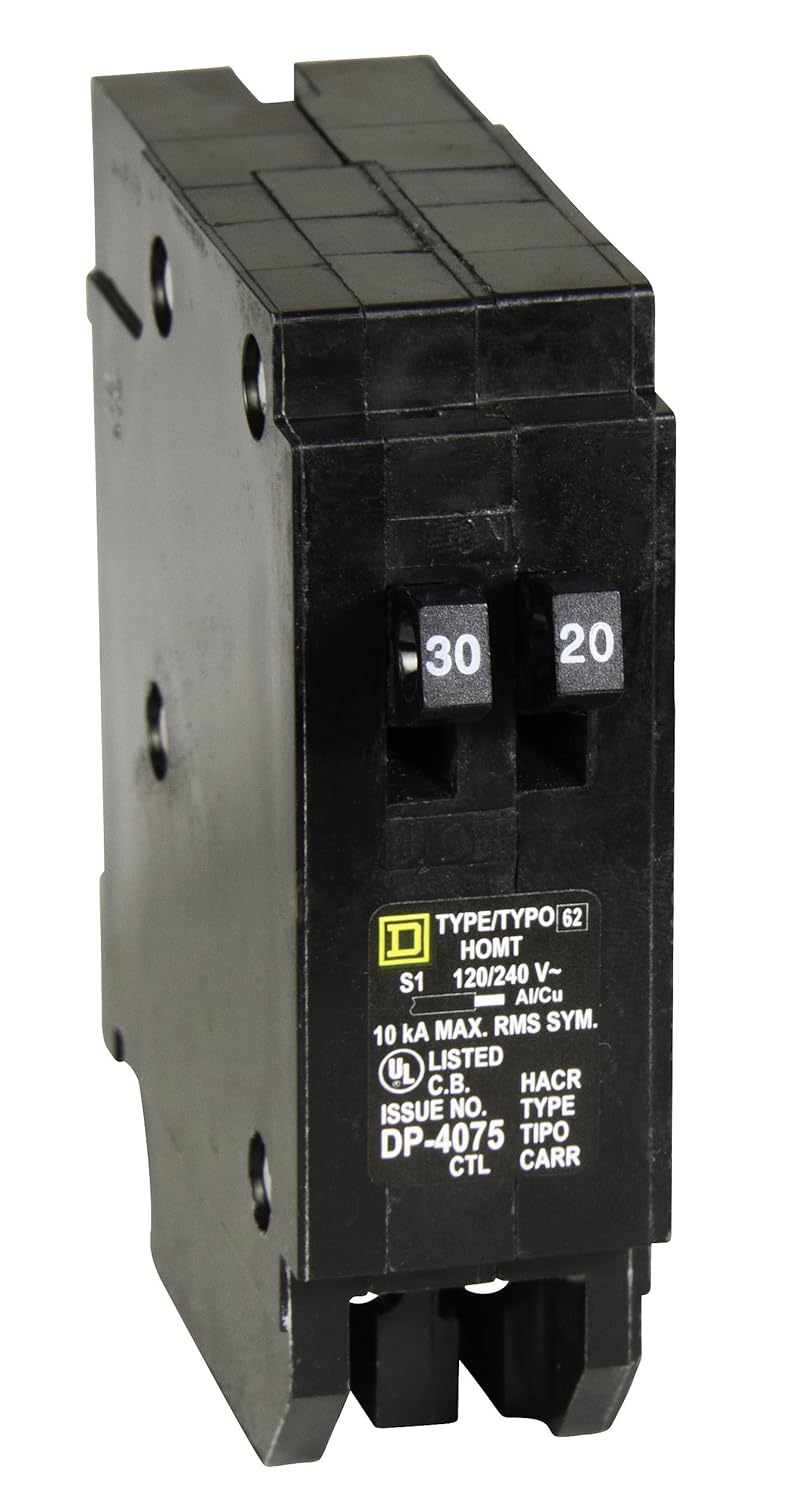
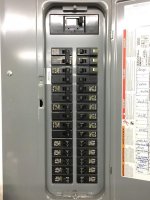
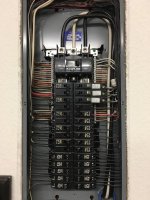
To clarify one thing - I originally said "double breaker" - I believe the correct term is "tandem breaker" - which is why I have not just traded the breaker for a GFCI one - no room for additional breakers and no tandem GFCI breakers that I have seen.
My first question is why do you have one GFCI feeding another?
Think of this like a power pole at an RV park - the receptacle next to the RV has a GFCI outlet that is fed by a single breaker (one side of the tandem) that is not GFCI - so the outlet is GFCI protected. You plug an extension cord into that receptacle and the female end goes into a male receptacle built into the side of your RV. That line in your RV feeds the line side of a GFCI outlet in the kitchen of the RV - which would protect that outlet and the other downstream plugs in the RV on the load side of it if the power pole on the outside was not protected, or if that GFCI was bad but still powered.
wylie is the expert, but it sounds like you have a multiwire circuit? It's a little confusing because you mention you only have one outlet then later you said that you're having problems with the first GFCI...
Does the above description clarify how I am wired?
What's on the other leg of the double breaker? And is this box on the dock a manufactured item (made to be used like this with an extension cord) or something that you made?
So - this is where I misspoke, there aren't 'legs' on a tandem breaker, correct? Would each side of a tandem be considered a "leg" or just a side? I don't know off the top of my head what the other side of the tandem breaker is feeding but it is unrelated to this plug. This is the only outlet on this one side of the tandem breaker. The box on the dock is a manufactured male receptacle in an outdoor weatherproof box, like one in the side of an RV.
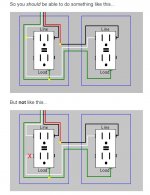
Connecting the second GFCI to the line terminals of the first would be bad. Fine for a kitchen, bad for a dock because you'd have GFCI-unprotected wiring on the dock itself. If the end of the extension cord fell in the water you'd have the beginnings of an ESD scenario.
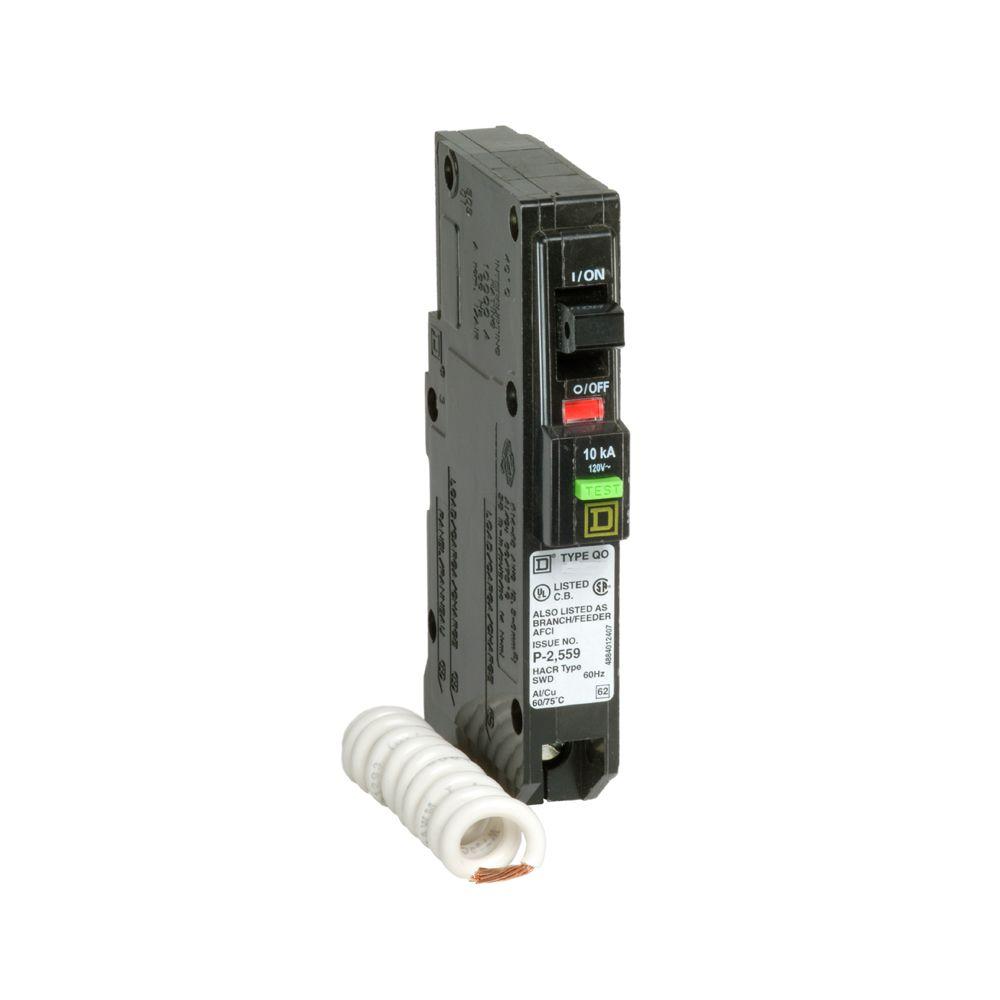
These days the breaker itself needs to be GFCI and I see no reason to try to avoid doing that.
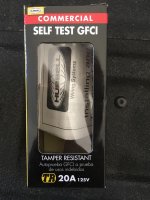
The outlet the extension cord is plugged into IS GFCI protected and that is the one I am currently having problems with. It should protect the cord should the female end ever be dropped in the water. It is not GFCI circuit breaker protected, however, because of the aforementioned tandem breaker, that I believe is not available as a GFCI tandem breaker.
Exactly. And since it's a non-GFCI breaker, the extension cord (which goes onto the dock) has no GFCI protection. That is what is bad about that configuration. You have to read the OP's exact description of what he has to see the problem.
EDIT: to clarify, it's not a GFCI recep wiring issue. It's a dock protection issue. Docks have specific requirements.
I'm not sure what you mean by this? The extension cord should have GFCI protection from the outlet, but you are correct, not the breaker. It is this outlet that keeps going bad all of the sudden.
Is the wire in a conduit?
I do not think the wire leading to the outlet box on the pole is in conduit - other than from a foot or so underground up to the box. I'm pretty sure it is direct-burial wire run to flexible conduit just under the ground and up to the outlet box.
If I am not clear about any of this, I can try and clarify.