A response from a customer service rep? Yeah sure, CS reps know all the answers and didn't just glance over the catalog, I'm sure she called the plant manager who contacted the engineer in charge of design and got the correct answer. You're not going to get the answer other than whats in the catalog from any large company. Go ahead and ask Carol at Dewalt to tell you what the difference between their drill chuck and the Porter Cable drill chuck, she better know her manufacturing.
Look in hopes that you'll stop bothering me, I'll answer the question you should have asked instead of continuing the argument you keep pushing for...
The 38 series is more sturdy but are there other manufacturers that design their needle noses differently? Yes, some companies don't have the need or desire for 100s of plier skus that are perfected for specific tasks. Some, like Klein makes tools specific for ONE trade and use people in that trade to help design their tools. Knipex makes several pliers, some of which are better suited for certain tasks. If I need to reach something recessed and need to twist, instead of incorrectly using needle nose pliers (from any manufacturer), I use assembly pliers like 28-21-200 or if I can fit them 28-21-200. If I need to grab something and pull straight or hold something without twisting, that's where needle nose come in. I was always taught that needle nose pliers were for tight, precise work and not twisting. So the idea of using a 38 series to the point of twisting is as incomprehensible as using slip-joint pliers instead of a socket. You guys can use whatever you want and I don't really care. The 38 series needle nose has less flex than the 28 series needle nose, but every tool has a point in which it's use is more than it was designed to handle...common sense should tell you holding onto a nut with a 8" needle nose while you crank on the other side with a ratchet isn't the intended use of the tool but luckily some companies know their customer base.





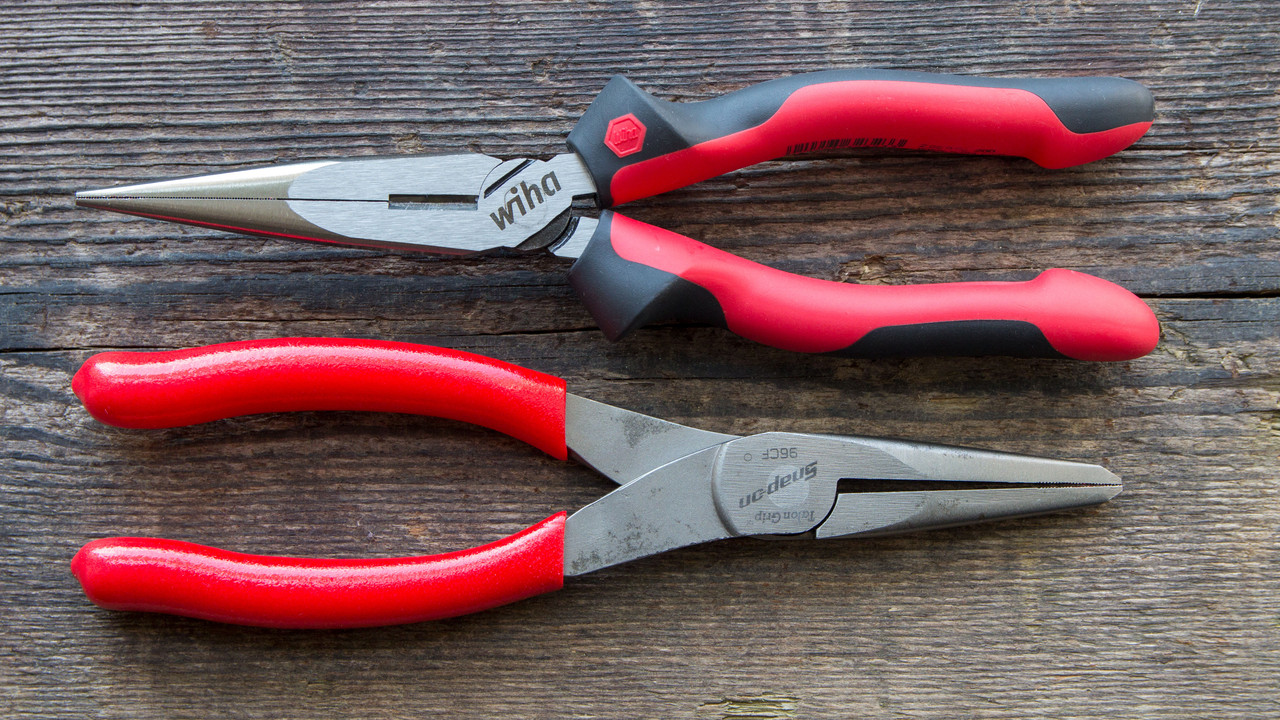
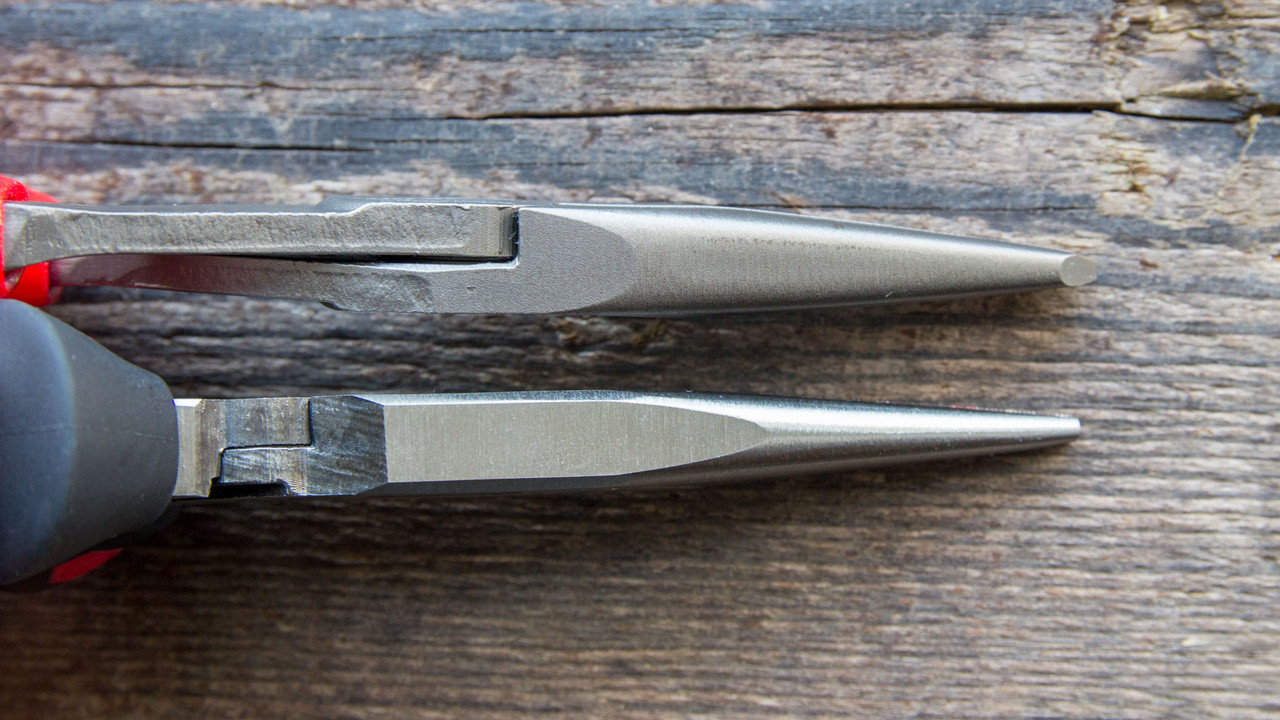


 They do this to lower warranty claims.