I currently work for a manufacturing company, and we have some of the fastest CNC turning machines in the world and multi-spindle machines that crank completed parts out in well under a second. We make a ton of parts for the firearm industry. So I do know some about manufacturing.
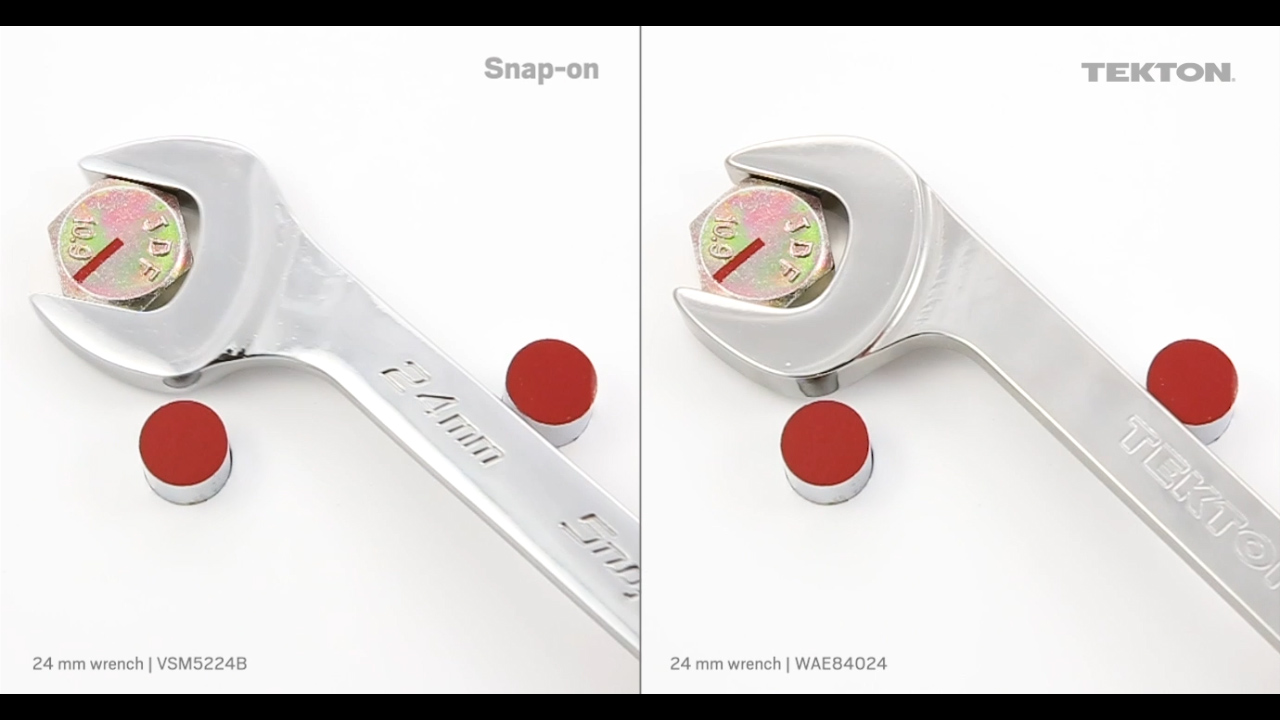
For something like tools, you are just not going to compete with a dedicated forging line. Take a look around the internet, and you can find many videos of modern wrench lines. They start out from round bar stock (which is usually cheaper than plate stock), and once heated (in an induction furnace), it takes less than 10 seconds to stamp out a completed double open-end wrench. The forging process does both sides at once. A little bit of finishing before sending it out to be plated and you're done.
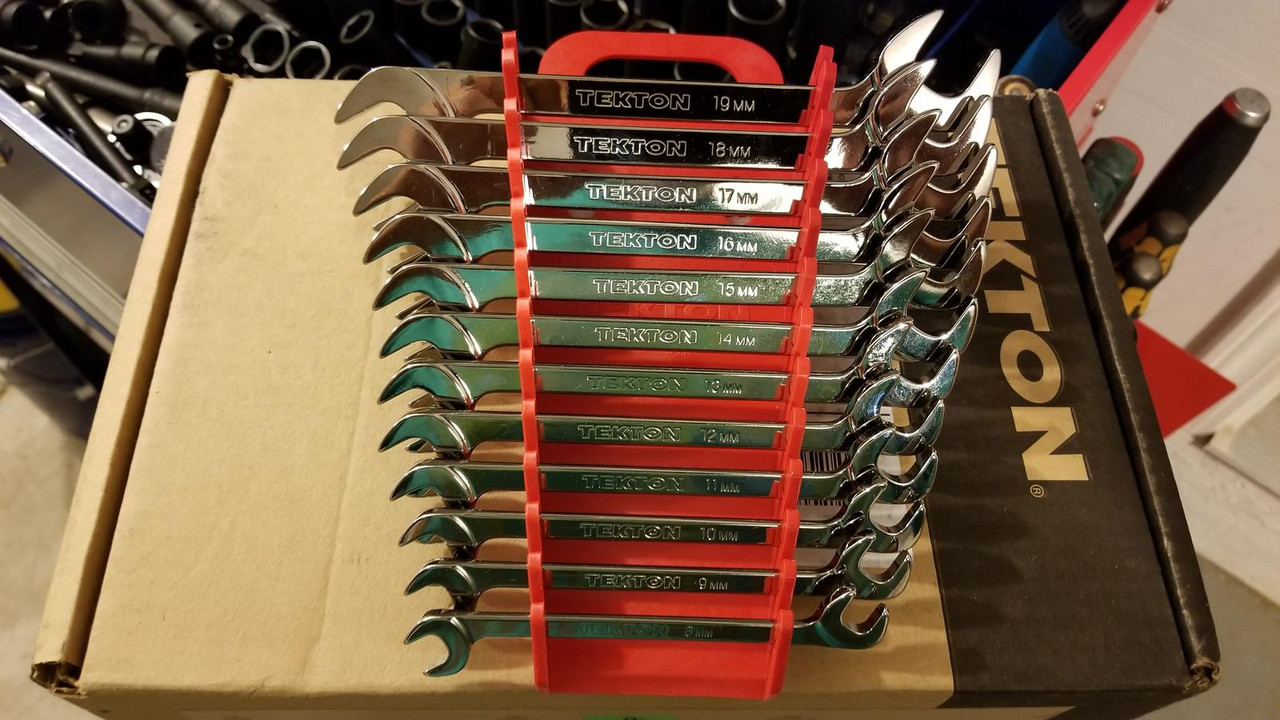
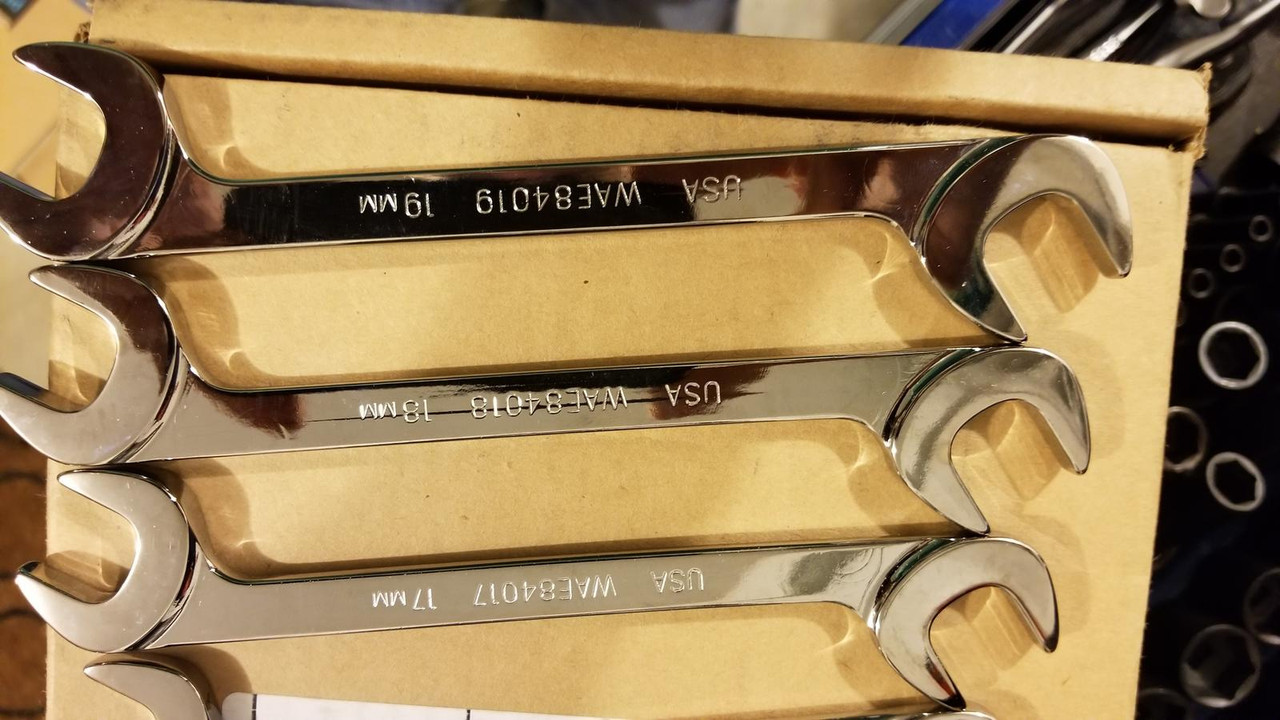
CNC machines, especially the very fastest ones are finicky fickle beasts, with high maintenance costs. Based on the pretty simple styling of the Tekton wrenches, I'd wager they can get the machining done pretty fast. Probably about 20 seconds per side, per wrench + ~5-7 seconds to laser cut each wrench out of the plate + the same finishing work a forged wrench needs. You basically already lost at CNC laser cutting the blanks out. You spend 5 seconds cutting each wrench blank out, when a servo press could punch 30 wrench blanks out in 1.5 seconds.
I'm not in any way knocking the Tekton wrenches, as they have obviously found a way to make an affordable wrench using a machining-based production line. For what they're trying to do, it obviously makes sense. General purpose CNC machines are far cheaper to purchase than a dedicated production line for a product line that may or may not be successful.
But when it comes time to crank out thousands of wrenches a day, you're just not going to beat a casting/forging/whatever line in terms of speed or cost per unit. Sky high initial setup costs, but very cheap to keep in operation.