AngryBeaver
Well-known member
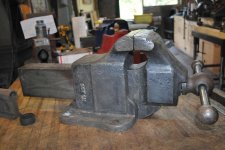
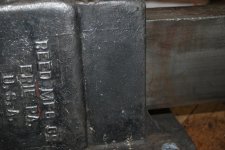
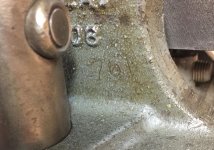
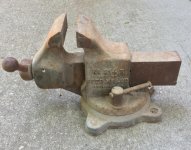
The Office Reed R series Vise Date and timeline Thread. Post your Reed date stamps.
After 2 and half years and 130+ reeds. I think its fair to say we have figured a few things out with the R series, as well as the A series and the older reeds.
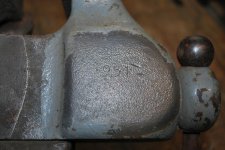
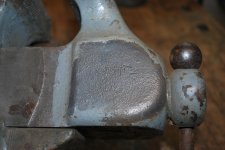
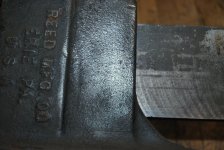
All reed vises will have dates on them. This also applies to reed made craftsman vises. They were stamped at the time of manufacture and were for their warranty purposes.
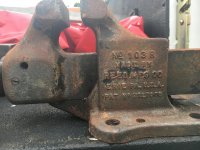
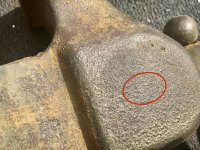
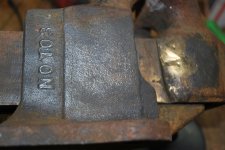
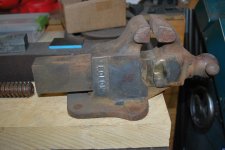
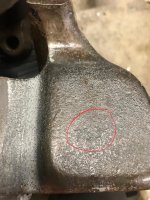
The older non R, or conventional reeds will have two sets of stamps on the static and Dynamic Jaws. They can be very hard to read after 100+ years of use, and people cleaning them up to paint them. Take caution if you use a course wire wheel to clean one up, you can fill in the date stamps or take them off forever. The conventional Reeds will have dates on the non logo/name side. the easier to read stamp 99 times is not the date stamp. There were Date stamps, and there were assembly stamps. The easy to read stamps are almost always numbers prior to the manufacture date, or before the patent dates on the vise. 311 and 710 are commonly seen stamps. if you see those stamps on a vise with the patented dates of 13,15,19, it clearly cannot be made before the patent dates.
The A series was the Transitional model from the traditional reed to the (A) advanced features of the revised (R) models. Earliest stamp on them so far is 1938, latest was 1943 on a 400 series. the 400 series wasn't as common and was most likely the last to transition into the R series..
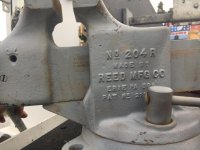
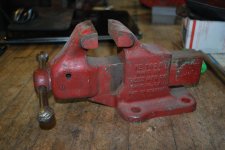
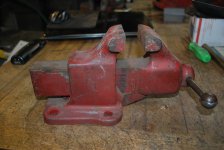
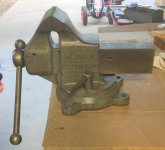
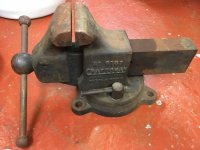
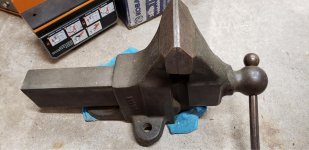
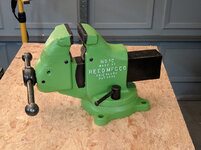
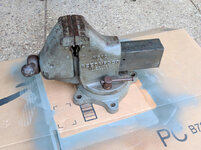
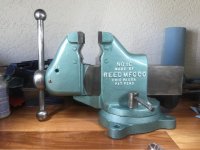
The R series introduced in 1942 (earliest stamp on file so far) the stamps for these are on the non logo side and will be 1/4" stamps. The earliest Craftsman made reed that has been reported was august of 1943. These are usually smaller 1/8" stamps and also on the non logo side. The latest Reed made craftsman was 1949. (again, the latest date posted). The R series offered a ton of improvements over the long running conventional reeds. a four bolt base was now standard (this started on the A models as early as 1938). Also apart of the four bolt was was toothed locking paws for the swivel lock. This provided a positive lock, over the previous wedge fit swivel locks. Also New for the R series was a split nut retainer on the spindle. this was a nut that was cast, and threaded. Then it was broken in half so it could be put over the spindle and be installed into the dynamic jaw. the beauty of this was that the backlash could be adjusted over time as the parts wore in. the split collar was held in place by a pointed machine set screw to keep the threaded split ring retainer from turning. In addition to the split nut, there was an adjustable pin holding the main nut in place. this had a threaded jam screw that could be adjusted from many years of use. Reed literature states that they went to a forged nut with the introduction of the R series in 1942. I've seen a handful of 1943 and 1944 models that still have a cast nut, so I cannot positively identify when they switch to a forge nut was done, of if there were quite a few leftovers that were installed. All R series vise came with a hardened steel washer for the spindle that kept the cast dynamic jaw from wearing out prematurely. Sometime during the late 1940's, a second swivel lock was added. Ive had a couple 43 and 44 models that had single locks (1C, 2C and 4c). I pretty confident that by 1950 all swivel based models had dual swivel locks on the C series and vises over 4" in the machinist line. the 4" models didn't get dual swivel locks to the best of my knowledge.
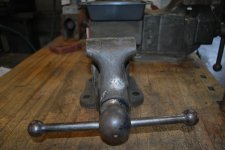
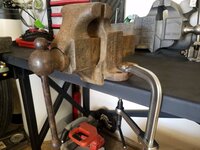
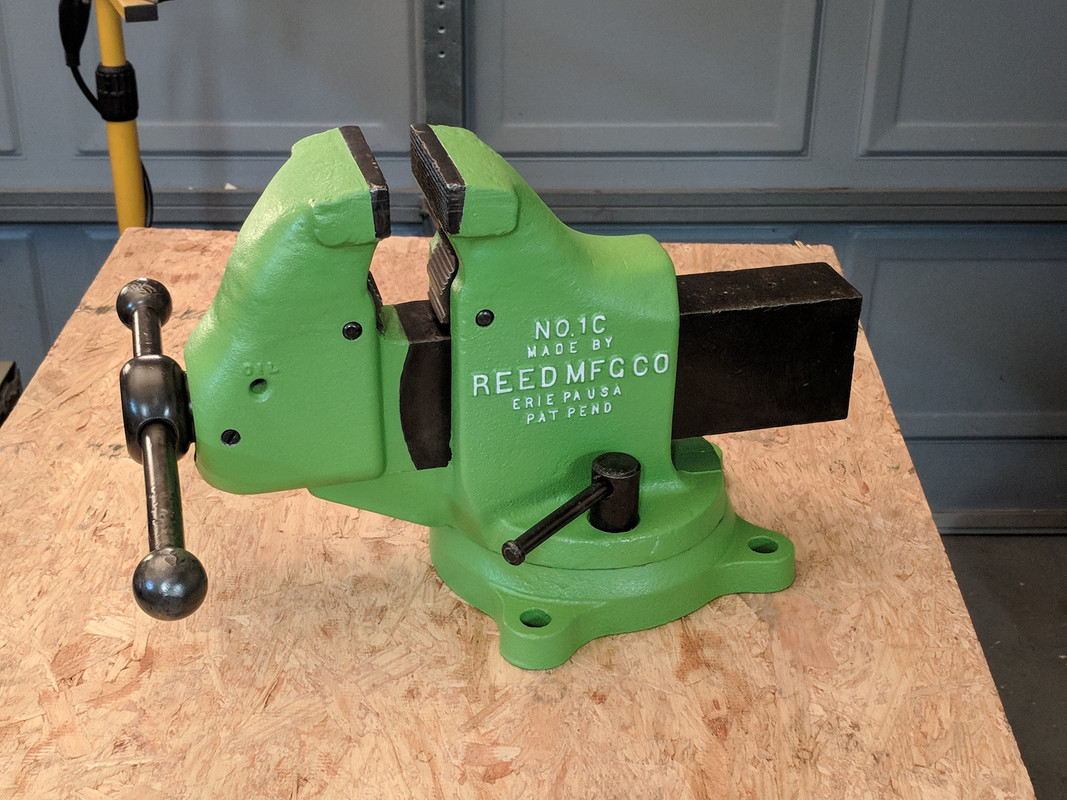
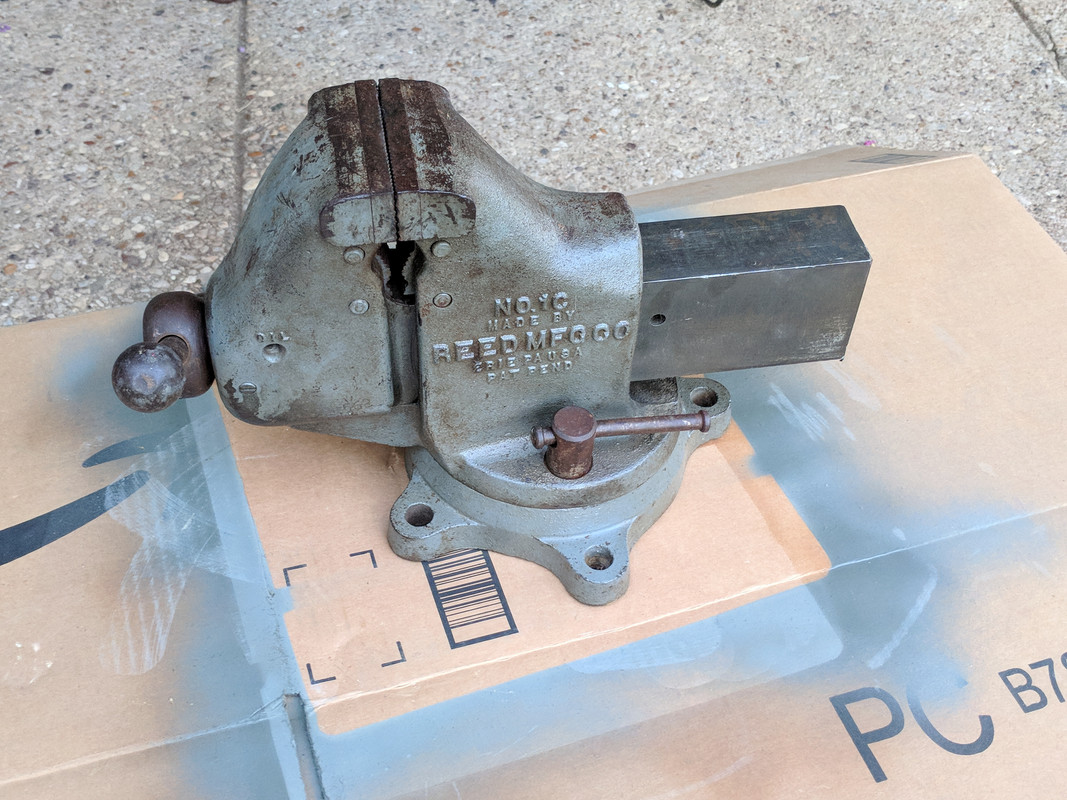
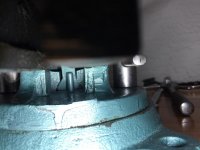
The earliest R series had round "meatball" style spindle noses. these ran from 1942 until late, mid 1947, when they changed to a flat "hockey puck" spindle nose. The earliest versions of the hockey puck spindle is june 1947. As with all running changes, there will be some models of newer or older with newer and older parts. A lot of shortages were in effect during this period with the war efforts. Most 1948 models will have the hockey puck spindles and most 1947 and earlier models will have the meatball spindles.
With the spindle change, also came two other changes. The spindle/leadscrew were lengthened 1/2" to 1" depending on the model. Many people don't even pay attention to small details, but the details are what tell the story. the hockey puck spindles will be 1/2" to 1" longer than the same exact comparable model with the meatball spindle. for this reason, the older meatball vises will open 1/2" to 1" less, depending on model. I suspect reed did this to minimize breakage. with the shorter lead screw, the slide wasn't fully supported, or the lead screw having full thread engagement. after the change, the spindle was full engaged in the nut when the slide was flush at the back of the vise. On the previous meatball version, when the slide was flush with the back (fully open as intended/designed) the spindle was only half in the nut.
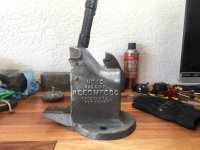
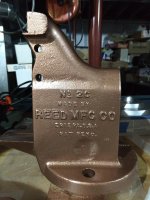
Around the 1950-52 mark, Reed started putting the date stamps on the logo side. I don't think became standard until later, as I've had a dozen or so 52-55 dates that had them on either sides. Later models will always have the date on the right hand, or logo, side..
Sometime in mid 1958 standoff pads were added to the bottom of the swivel bases.
Replaceable jaws were added to the C series (1C,2C,3C,4c) between 1959 and 1962. 400 series swivel jaw vises also got the same replaceable jaws as the C series.
The C series went basically unchanged from 1960 until 1970-72 when they phased out the adjustable split pin for the nut. this was replaced by a steel dowel pin. the C series went into the 80's. 10/83 is the latest as of now. They retained the original bolt on style jaws until they were no longer produced. they never got the Tee style in in jaws like the N/S series did.
The Reed N or, S series as some call them, started into production sometime in 1971. For the first time in Reed history, the fixed base model and the swivel base model were identical castings, with the sole exception of the added swivel base. you could convert a 105N (non swivel) to a swivel 105S by purchasing a separate base.
They got replacable "tee" style jaws, but were pinned in place much like a columbian vise. The split pin to hold the nut was done away with, and replaced by a small steel dowel pin. The logo was changed to a very stylish oval logo with the REED script. These were in production until the early 1980's. 1983 seems to be the magic last year from the vises reported so far. After that, reed vises were made by columbian and shared identical columbian model numbers (508, 504, 604, etc) The combination columbians with reed castings were 1CA, 2CA, 3CA and 4CA. those remained in production until wilton killed the columbian line in 2016/2017. No date stamps are visible on any of the columbian made or wilton buying out columbian brand, made Reeds other than faint casting mold stamps.
This post will continue to be updated as more and more Reeds are uncovered, or pulled from collections.


After 2 and half years and 130+ reeds. I think its fair to say we have figured a few things out with the R series, as well as the A series and the older reeds.
All reed vises will have dates on them. This also applies to reed made craftsman vises. They were stamped at the time of manufacture and were for their warranty purposes.
The older non R, or conventional reeds will have two sets of stamps on the static and Dynamic Jaws. They can be very hard to read after 100+ years of use, and people cleaning them up to paint them. Take caution if you use a course wire wheel to clean one up, you can fill in the date stamps or take them off forever. The conventional Reeds will have dates on the non logo/name side. the easier to read stamp 99 times is not the date stamp. There were Date stamps, and there were assembly stamps. The easy to read stamps are almost always numbers prior to the manufacture date, or before the patent dates on the vise. 311 and 710 are commonly seen stamps. if you see those stamps on a vise with the patented dates of 13,15,19, it clearly cannot be made before the patent dates.
The A series was the Transitional model from the traditional reed to the (A) advanced features of the revised (R) models. Earliest stamp on them so far is 1938, latest was 1943 on a 400 series. the 400 series wasn't as common and was most likely the last to transition into the R series..
The R series introduced in 1942 (earliest stamp on file so far) the stamps for these are on the non logo side and will be 1/4" stamps. The earliest Craftsman made reed that has been reported was august of 1943. These are usually smaller 1/8" stamps and also on the non logo side. The latest Reed made craftsman was 1949. (again, the latest date posted). The R series offered a ton of improvements over the long running conventional reeds. a four bolt base was now standard (this started on the A models as early as 1938). Also apart of the four bolt was was toothed locking paws for the swivel lock. This provided a positive lock, over the previous wedge fit swivel locks. Also New for the R series was a split nut retainer on the spindle. this was a nut that was cast, and threaded. Then it was broken in half so it could be put over the spindle and be installed into the dynamic jaw. the beauty of this was that the backlash could be adjusted over time as the parts wore in. the split collar was held in place by a pointed machine set screw to keep the threaded split ring retainer from turning. In addition to the split nut, there was an adjustable pin holding the main nut in place. this had a threaded jam screw that could be adjusted from many years of use. Reed literature states that they went to a forged nut with the introduction of the R series in 1942. I've seen a handful of 1943 and 1944 models that still have a cast nut, so I cannot positively identify when they switch to a forge nut was done, of if there were quite a few leftovers that were installed. All R series vise came with a hardened steel washer for the spindle that kept the cast dynamic jaw from wearing out prematurely. Sometime during the late 1940's, a second swivel lock was added. Ive had a couple 43 and 44 models that had single locks (1C, 2C and 4c). I pretty confident that by 1950 all swivel based models had dual swivel locks on the C series and vises over 4" in the machinist line. the 4" models didn't get dual swivel locks to the best of my knowledge.
The earliest R series had round "meatball" style spindle noses. these ran from 1942 until late, mid 1947, when they changed to a flat "hockey puck" spindle nose. The earliest versions of the hockey puck spindle is june 1947. As with all running changes, there will be some models of newer or older with newer and older parts. A lot of shortages were in effect during this period with the war efforts. Most 1948 models will have the hockey puck spindles and most 1947 and earlier models will have the meatball spindles.
With the spindle change, also came two other changes. The spindle/leadscrew were lengthened 1/2" to 1" depending on the model. Many people don't even pay attention to small details, but the details are what tell the story. the hockey puck spindles will be 1/2" to 1" longer than the same exact comparable model with the meatball spindle. for this reason, the older meatball vises will open 1/2" to 1" less, depending on model. I suspect reed did this to minimize breakage. with the shorter lead screw, the slide wasn't fully supported, or the lead screw having full thread engagement. after the change, the spindle was full engaged in the nut when the slide was flush at the back of the vise. On the previous meatball version, when the slide was flush with the back (fully open as intended/designed) the spindle was only half in the nut.
Around the 1950-52 mark, Reed started putting the date stamps on the logo side. I don't think became standard until later, as I've had a dozen or so 52-55 dates that had them on either sides. Later models will always have the date on the right hand, or logo, side..
Sometime in mid 1958 standoff pads were added to the bottom of the swivel bases.
Replaceable jaws were added to the C series (1C,2C,3C,4c) between 1959 and 1962. 400 series swivel jaw vises also got the same replaceable jaws as the C series.
The C series went basically unchanged from 1960 until 1970-72 when they phased out the adjustable split pin for the nut. this was replaced by a steel dowel pin. the C series went into the 80's. 10/83 is the latest as of now. They retained the original bolt on style jaws until they were no longer produced. they never got the Tee style in in jaws like the N/S series did.
The Reed N or, S series as some call them, started into production sometime in 1971. For the first time in Reed history, the fixed base model and the swivel base model were identical castings, with the sole exception of the added swivel base. you could convert a 105N (non swivel) to a swivel 105S by purchasing a separate base.
They got replacable "tee" style jaws, but were pinned in place much like a columbian vise. The split pin to hold the nut was done away with, and replaced by a small steel dowel pin. The logo was changed to a very stylish oval logo with the REED script. These were in production until the early 1980's. 1983 seems to be the magic last year from the vises reported so far. After that, reed vises were made by columbian and shared identical columbian model numbers (508, 504, 604, etc) The combination columbians with reed castings were 1CA, 2CA, 3CA and 4CA. those remained in production until wilton killed the columbian line in 2016/2017. No date stamps are visible on any of the columbian made or wilton buying out columbian brand, made Reeds other than faint casting mold stamps.
This post will continue to be updated as more and more Reeds are uncovered, or pulled from collections.
Attachments


Last edited: