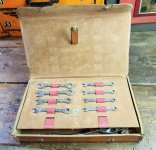
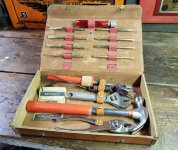
This toolkit is no longer available... At least in this type of box.Some more recent-ish orders, including my introduction to the Ko-ken Z series.


Last edited:


This toolkit is no longer available... At least in this type of box.Some more recent-ish orders, including my introduction to the Ko-ken Z series.
Apart from the features shown in the video, these keys have the advantage of being very short so they can easily access very small workplaces.Did a double take when looking at these. Had to google how they work. Interesting design.

Check on eBay. Not cheap but they are available there. I saw $270. US free shipping.This toolkit is no longer available... At least in this type of box.
I do not buy on Ebay, I prefer to buy in recognized stores like Rakuten or Amazon and there they do not have that Ko-Ken model.Check on eBay. Not cheap but they are available there. I saw $270. US free shipping.
This toolkit is no longer available... At least in this type of box.


This toolkit is no longer available... At least in this type of box.
A little thing I just noticed: when people post something and then delete it, I still see it because I'm subscribed to the thread and get email notifications.
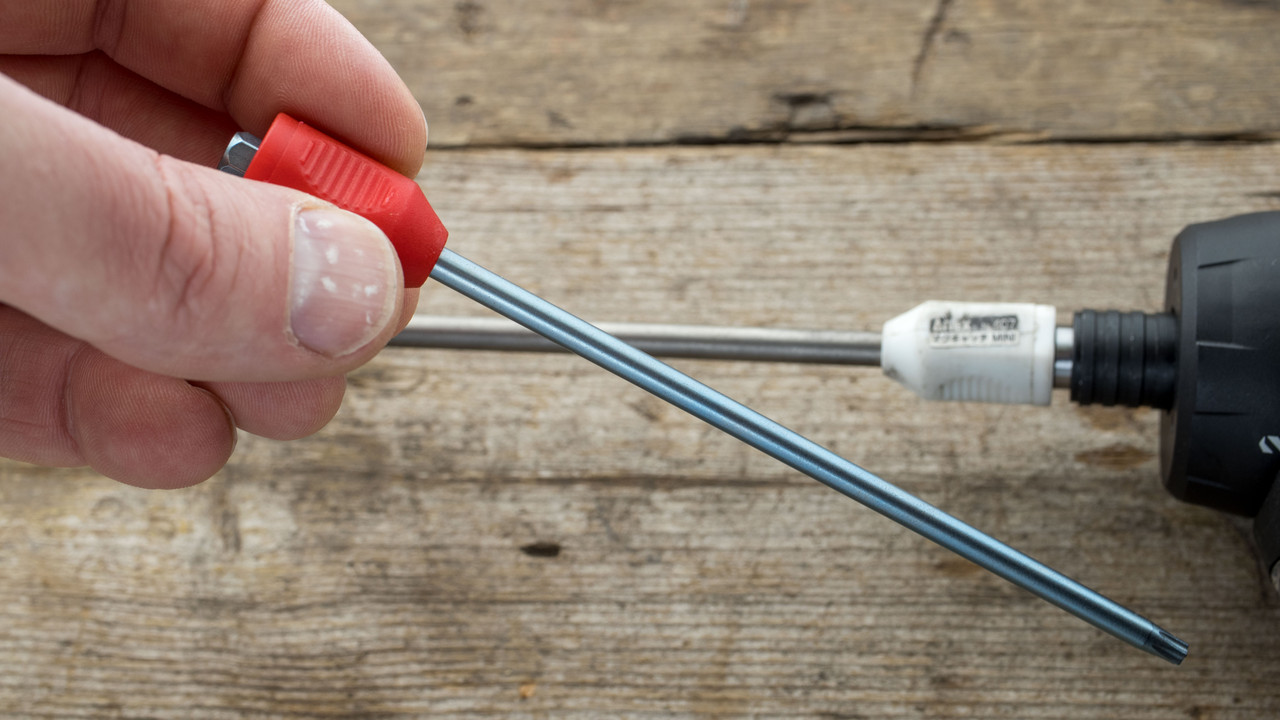


Just realized that I neglected to include a Vessel stubby ratcheting driver in my post of little ratchets last month. The 820W-23 only has 20 teeth, but unsurprisingly also has lower backdrag than the 72 tooth model.
Also noticed that I forgot to fix the https problem with one of that post's photo links, so here is that text again and a proper photo link.
The SK11 SRD-224 is somewhat of a disappointment. Only the one bit in the ratchet is 16mm long, and the rest of the supplied bits are at least 19mm. I'm pretty sure it is made in the same Taiwanese factory that produced my old Husky to its left, as the ratcheting parts appear identical. I wouldn't be surprised it the Tone is also made in the same place. All feel about the same. The Felo to the right has more teeth and much lower backdrag.


Private Lugnutz,
Thanks for showcasing that "Deluxe Tool Kit".
I wonder if Japan was one of the first examples where an importing country (in this case the US) took advantage of their purchasing power (with the US$ being much stronger) to bring cheap tools and selling them at a huge profit. Eventually that role shifted to Taiwan, then to China. Sooner or later its going to shift to another developing country when the cycle begins again. This is probably my gross over-generalization though.
Time for some stupid questions. Are those beam torque wrenches? Don't see many on here, are they your preference over the clicky type?
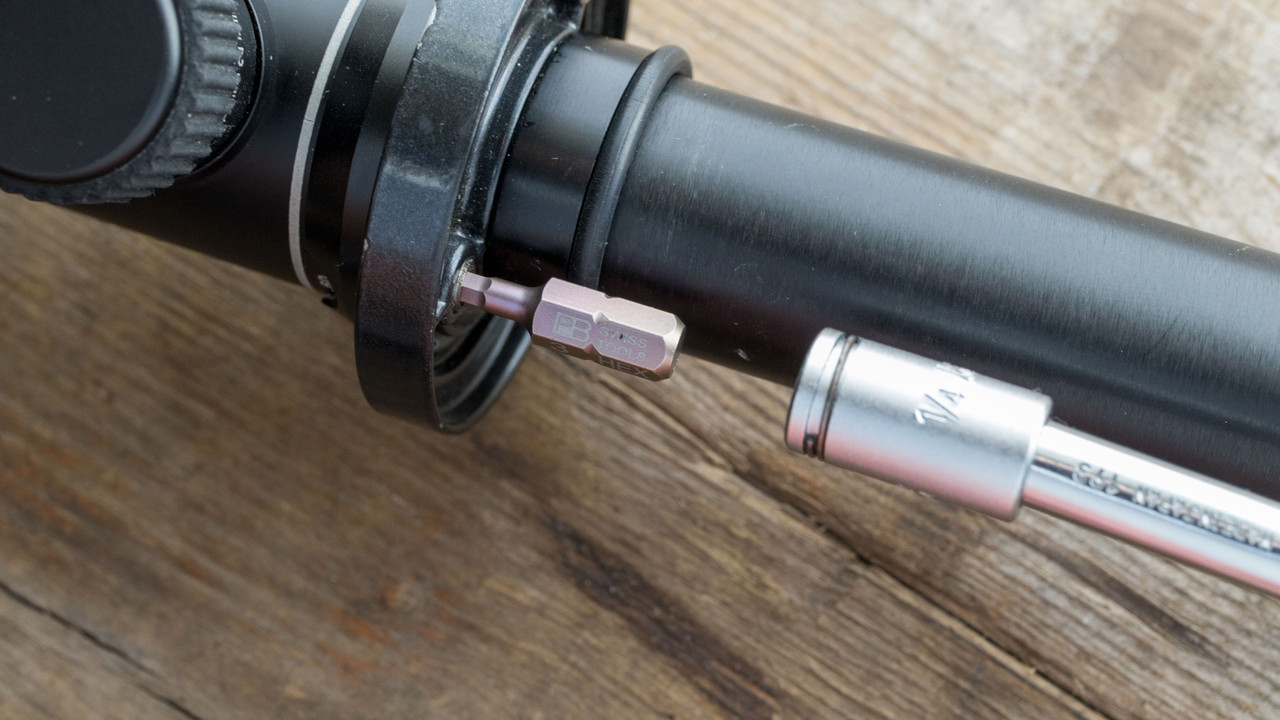
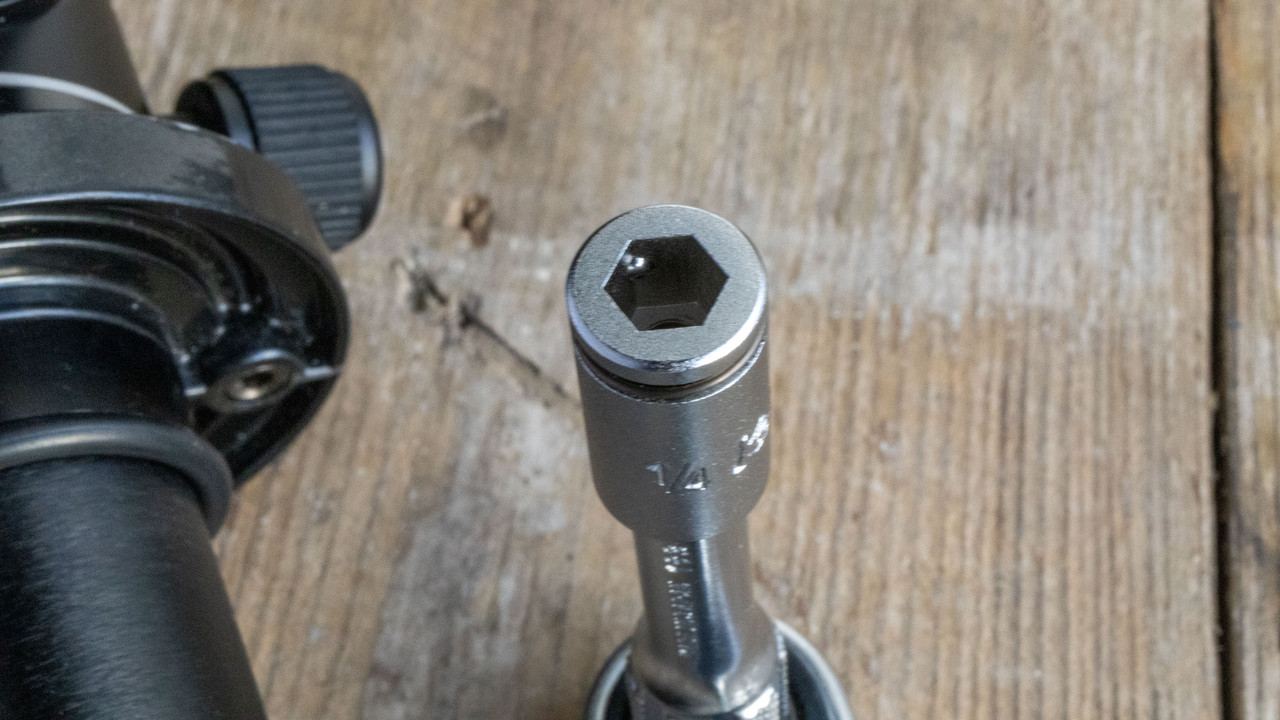
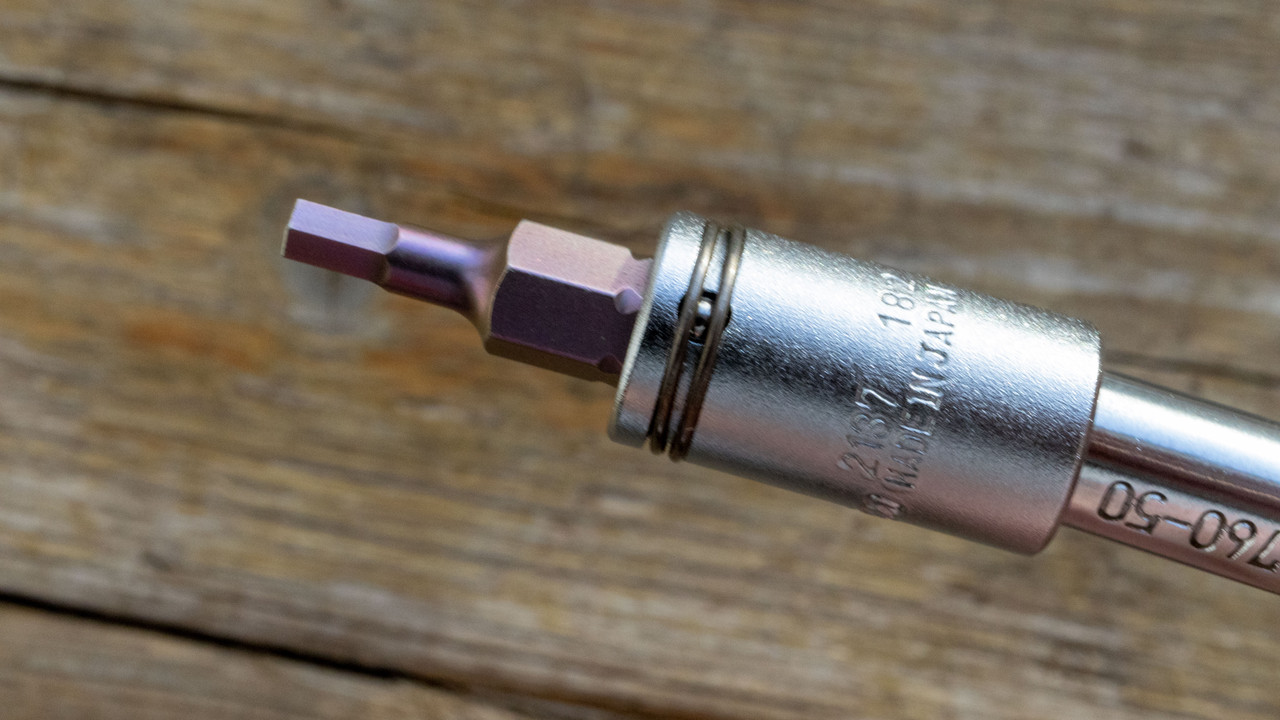
Used a Koken 1/4" square to hex bit adapter and found it to be not fit for purpose as it does not retain bits.[/IMG]
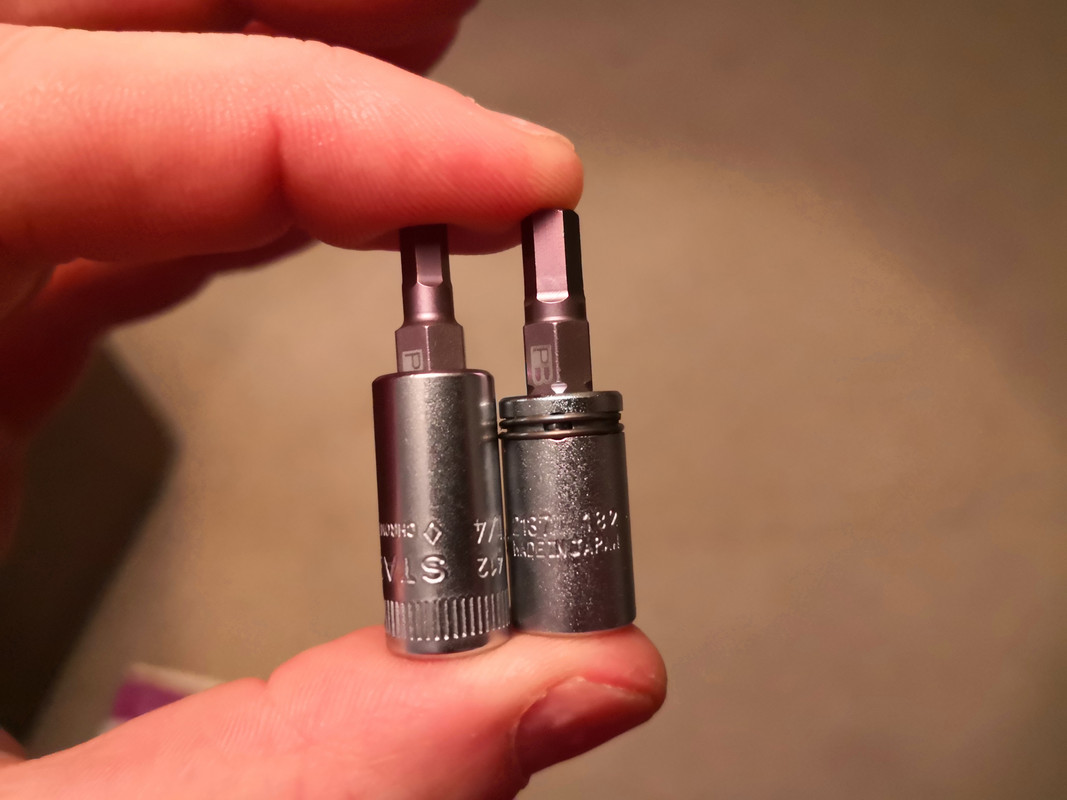
Yes they are! I prefer old school beam wrenches because they have no moving parts to wear out or break, and recalibrating simply involves bending the indicator beam until the needle points to zero at rest. There's a bit more technique involved in using them because you need a straight-on view of the gauge while torquing. But I very much enjoy using them where I can, which with the ratchet adapters will be about 90% of the time. It's a shame there aren't many reputable companies that still make 'em.
I have some cheap HF clicker style wrenches and they're accurate enough for what I do, but they're relatively inconvenient to use because of having to dial them to whatever torque setting I need at the moment, and then dialing them back to zero after every use. With the beam wrenches, no need to set a target with every use.
Recently talked about Japanese power bits being different, are Japanese standard bits different too?

Thanks. I have a 1/2" beam torque wrench but struggled with it so gave up. I couldn't really hold it steady enough under torque so the beam would be bouncing around the dial. Will give it another try. It's a very cheap one which may not help.
Try holding the handle as close to your chest as possible, and use your body weight to lean into or hang off the wrench and provide most of the torque. that way you're not using your arm muscles to provide the torque, and the input should be much smoother.
Have a look at the Warren and Brown beam style from Australia. Nothing I've used has come close in terms of quality, useability and unlike more traditional beam style torque wrenches, they have an audible click when the desired tension is reached.
<iframe width="560" height="315" src="https://www.youtube.com/embed/bfj8vJJkc5g" frameborder="0" allow="accelerometer; autoplay; encrypted-media; gyroscope; picture-in-picture" allowfullscreen></iframe>
same design principle as the Williams S-57 torque wrenches from the 50s. I love mine.
here's one thread google found when I was looking up the model number... https://www.garagejournal.com/forum/showthread.php?t=61904