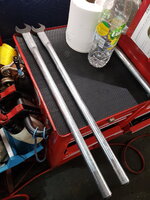
I've seen plenty of tool-truck long-handled ratchets twist the drive-end off.
Without a cheater pipe?
I'm not saying it's impossible of course, but I think most of the time it boils down to the tool being used in a way it's not designed for (possibly repetitively). I mean, it's a tool, and sometimes you've got to wail on them. The truck guarantee is great (in a pro setting where you have a truck anyway) and it's pretty easy and relatively cheap to have things like a dual-80 rebuild kit (or whatever) or a spare breaker bar handy.
The anvil is the weak point, and I have to think that's intentional - easy to replace that vs. the damage that might happen internally if they "move" the failure point deeper and might require replacing the whole thing.
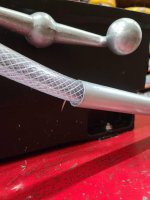
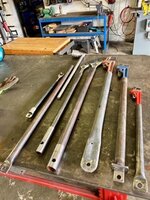
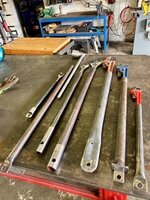
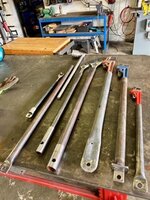
Basically all modern name-brand ratchets have a mechanism that's stronger than what the square drive itself can tolerate. I've broken more breaker bars than I have ratchets with cheater pipes on them. I've had 3 foot pipes on a 3/8" ratchet taking bed bolts out of a Ford Ranger. It took it just fine.
...but other times you've had (or seen) them break...
I'm not sure what your point is other than "sometimes they don't break." (which is true, but

)
I guess my overall point is just about every active DIYer (like me) and probably every pro had been put in a situation where a cheater pipe and something not-really-designed-for-the-task gets used (a ratchet, a breaker bar that's too small, etc.). Most of the time it works. Sometimes it results in a broken tool. Unfortunate, but they're tools - it happens. But if you're routinely breaking the tool you've either got a crappy tool or you should be using a different tool (or both). Championing it as some kind of "real men break tools and that's the way it should be" seems silly.
If I've broken something (especially more than once) and it's a task I'm likely to do again, I'm going looking for the right tool for the job.