My understanding is that *IF* you replace a receptacle, and the circuit is grounded, you must use a grounding type receptacle. The new receptacle also in most cases must be tamper resistant. Other than that, unless your local AHJ requires it, you do not need to bring the whole room or house up to current code. Otherwise, you'd have to ensure that everything is grounded, replace ALL (or most) receptacles, install GFCIs and AFCIs, make sure you have the required 20A counter recep circuits for the kitchen and bathroom(s), etc. etc. etc. and likely at some point you'd have to pull a permit for the work. Don't over think this just do a good job replacing the receps and you will be fine.
Now, as to the color thing, I can't help you there LOL you are on your own.
One thing you may want to think about is cover plates; if your house is of "a certain age" it probably has mismatched cover plates everywhere, decide what you want now (preferably something readily available) and standardize on that so that your place will look neater when you're done. I am currently using white enameled steel standard size Mulberry plates in my current place but that's just my preference there are plenty of other good choices out there. (I am currently replacing all the receptacles in three rooms in the basement as they are very wobbly, and the covers are getting replaced because they all have about 20 layers of paint on them. It's fun trying to get the plate off of the receptacle when they're painted on that badly, at least I can just break the plastic ones. Protip: using a razor blade to cut the paint around the old plate means it doesn't look *too* bad if you're not repainting right away.)
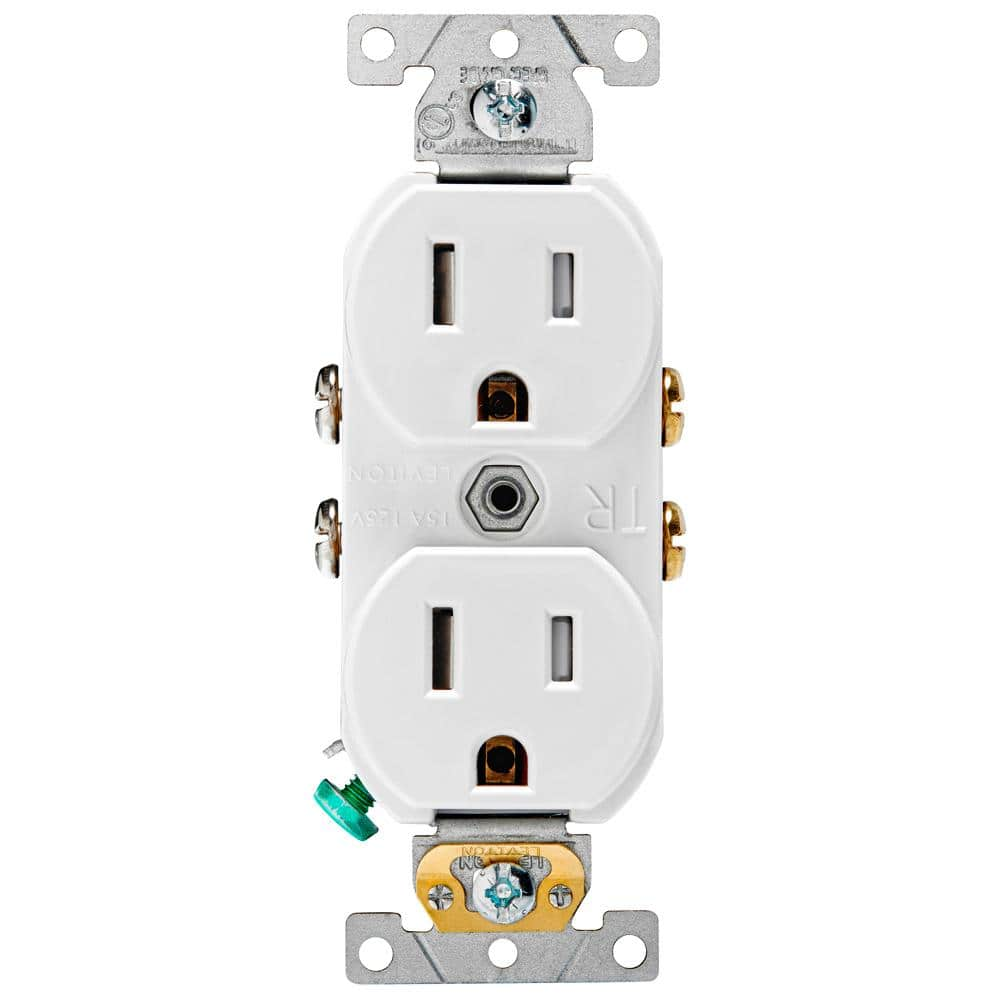
Additional thoughts on your situation: if you buy "spec grade" receptacles like these
Leviton is committed to your safety and to making sure our tamper-resistant commercial spec grade receptacles meet or exceed all existing codes and standards. NEC requirements for commercial facilities
www.homedepot.com
these have some features that may make your life easier. First, the screws have these little captive washers under them so you can actually put two wires under one screw head and you don't have to loop them. I really like this because it does not rely on the breakaway tab for feed through like your current receptacles probably do, you don't need pigtails and the resultant wire nuts taking up space in the box (unless you've got an Edison, aka shared neutral multiwire branch, circuit, then you MUST pigtail the neutral) and I'm sure you know why you shouldn't be using backstabs. I just snip snip the wires from the old receptacle, strip, and install. Also, these are self grounding so if you have metal boxes you don't need to make up a pigtail for the ground if it isn't already there. One thing I would watch for though is that I've seen a lot of ground wires that are just twisted together with no wire nut or solder, I don't like that, I would definitely keep some yellow nuts on hand in case you run into that scenario, I feel much more secure in the ground connection if the ground wires are wire nutted together like any other conductor.

 ) Any way the first offer asked for an inspection, plus they did not have financing in place. The second was no inspection, financing was in place, and they offered $5,000 over any other offers. I said, "Well this seems easy!" and everyone got a chuckle. We discussed the offers in bit more detail and of course my buddy took the obvious one and the sale went easily.