Hi
I am a master's student at Ryerson University researching a system to prevent water frost in pipelines. I am reaching out to you to get more insight into the problem; how widely are homeowners/cottage owners facing it? If you have relevant experiences or your problems, I would be appreciated to get your experience .
kind regards
Reza


You are using an out of date browser. It may not display this or other websites correctly.
You should upgrade or use an alternative browser.
You should upgrade or use an alternative browser.
cottage anti-frost system
- Thread starter guzal2010
- Start date
theoldwizard1
Well-known member
Cottage - Drain the system in fall. Add a cup of RV antifreeze to all sink drains. 2 cups to toilets after emptying tank.
Bondo
Well-known member
Ayuh,..... Yer parameters are ill defined, 'n language might be a problem,....So you mean owners leave cottages until spring or summer season, but what about those who live in their house?
my next question is that people are mostly prefer to not use the cottage in winter?
thanks for your reply
Are you asking about owner occupied year-round homes, or seasonal cottages, ei: summer getaways,..??
Stuart in MN
Well-known member
The simple answer is you need to keep the pipes warm...where possible they should be routed inside the building in a heated space, and if they are exposed to cold temperatures they need to be wrapped with insulation and electric heat tape. Buried pipes need to be below the frost line. Of course, it depends on where you live - if you're in a climate where the temperature doesn't get much below the freezing point of water it's one thing, if you're in a climate where it can get down to -40 it's another.
Is this for already installed pipes?
If not I would use Pex pipe and stop worrying about freezing temperatures!
I have had mine freeze solid and then thaw with zero problems. Pretty amazing idea compared to all the broken pipes I have suffered with in the past that where made out of plastic,copper, iron, concrete.
.
.
.
If not I would use Pex pipe and stop worrying about freezing temperatures!
I have had mine freeze solid and then thaw with zero problems. Pretty amazing idea compared to all the broken pipes I have suffered with in the past that where made out of plastic,copper, iron, concrete.
.
.
.
my idea is to circulate water in pipes with a smart controlling system, but I need to know the severity of the problem? are electric heat tapes energy effective? how much does it cost for you? what regular solution do year-round cottage-owners use to defrost the pipes?The simple answer is you need to keep the pipes warm...where possible they should be routed inside the building in a heated space, and if they are exposed to cold temperatures they need to be wrapped with insulation and electric heat tape. Buried pipes need to be below the frost line. Of course, it depends on where you live - if you're in a climate where the temperature doesn't get much below the freezing point of water it's one thing, if you're in a climate where it can get down to -40 it's another.
Stuart in MN
Well-known member
Electric heat tapes generally require very little power, something on the order of 5 or 10 watts per foot. So, for the total length it may require a couple hundred watts (this is just a guess of course, it depends on the length of pipe.) You'd have to compare that with the energy required to circulate the water using a pump, which is probably more.
The actual cost of operation depends on how much the local electric utility charges per kilowatt-hour. In the US the average cost is around $0.14/kwh (although it varies higher or lower depending on your exact location), so you would multiply that number by the total watts of the heat tape and by how long it has to operate.
The actual cost of operation depends on how much the local electric utility charges per kilowatt-hour. In the US the average cost is around $0.14/kwh (although it varies higher or lower depending on your exact location), so you would multiply that number by the total watts of the heat tape and by how long it has to operate.
If you live in a cold climate you design the system with that cold/freeze in mind. Insulate, no pipe in exterior walls, etc. Mechanical methods of freeze protection as in heat tape or circs work BUT, how well do they work when the power is out?
dcg9381
Well-known member
my idea is to circulate water in pipes with a smart controlling system, but I need to know the severity of the problem? are electric heat tapes energy effective? how much does it cost for you? what regular solution do year-round cottage-owners use to defrost the pipes?
This won't work (imho) - recirculating systems traditionally circulate the "main" and the branches themselves are not circulated. Even if you circulate from every branch, you've still got valves and potentially things like toilets (and toilet lines) that store non-circulated water.
This is a common problem in northern climates where homes are not "year round" - 2nd homes, etc. The common solution is to drain / blow out all of the water through every valve and (sometimes) use food-grade anti-freeze in traps.
I'm in a southern climate, we use heat tape, insulation for lines that are externally exposed (external tankless heaters, water pumps, water tanks). It works fine. The heat tapes I use have an external thermostat. Their cost (in a southern climate) is very difficult to calculate as it is not substantial (<10 freezing days per year). It is definitely less cost than a circulation system with a pump that keeps the water in the lines heated.
There is one case where I use a circulation system in extreme temperatures. I use an external hose bib and return that water to a 5000 gallon tank via a hose. This forces our water pump to run full time and makes sure that we're circulating water in areas that are exposed (near the pump). We had to do this when temps went below 20 degrees for extended periods.
Some tankless heaters have internal anti-freezing functions and self circulate, but this won't save an external water line that is exposed to below freezing temps for long periods of time. PEX handles freezing better than PVC or copper.
Last edited:
firebirdparts
Well-known member
Heat tape is the ideal solution in theory. A problem with it is that you don't know when it quits working, and of course the power has to be one. If you want to heat an enclosure, like a pump house or valve house, then an incandescent light bulb is wonderful for that. Before they were outlawed, basically 25 cents for a defined heat source. They had the same problems; unannounced failure and also a power outages would stop it.
If the cottage is unoccupied, winterization is a pretty easy choice. That doesn't depend on having electricity.
If the cottage is unoccupied, winterization is a pretty easy choice. That doesn't depend on having electricity.
Stuart in MN
Well-known member
I suppose a person could come up with a water supply system that relied on a frost proof yard hydrant, so every time you shut off the water the entire system in the cottage would drain out, but that wouldn't be very practical.

A simple , inexpensive, tried & true solution is to winterize the plumbing when no one will be present at the premise during winter months . It's not rocket science
finn
Well-known member
We built ours with a full basement so I wouldn’t have to lay on my back to repair busted pipes.
Still accidentally closed one of the water valves above the laundry tub one fall, and arrived at 3:00 am to find the end of the brass faucet laying in the tub when I primed and started the pump.
Nothing makes you kick yourself more for being a cheap-*** like soldering plumbing at 2am so the kids can flush the toilet. Especially after driving 450 miles through a snowstorm.
After that episodeI started leaving the heat on all winter.instead of shutting down the place.
Better for the Sheetrock anyway.
Still accidentally closed one of the water valves above the laundry tub one fall, and arrived at 3:00 am to find the end of the brass faucet laying in the tub when I primed and started the pump.
Nothing makes you kick yourself more for being a cheap-*** like soldering plumbing at 2am so the kids can flush the toilet. Especially after driving 450 miles through a snowstorm.
After that episodeI started leaving the heat on all winter.instead of shutting down the place.
Better for the Sheetrock anyway.
Renegade1LI
Well-known member
It’s as Simple as heated or winterized, there’s no in between.
i have a walkout base to Lake Huron, 10 miles north of Port Sanilac Michigan. I use pex I just open the faucet in the basement utility sink, it siphons the water out. No heat in the place and no drywall either. And I have left glasses of water all over the place for years and have gone up at -10F and nothing has froze.
I built a 12X16 two floor shed and now want to build a 24X32X 10’ post garage 18’ door rafter roof. I think I want my steel post brackets in wet concrete 8’ OC, 4X6X10’ , I’ll install shear braces. Steel roof and sides.
photos coming some day...
I built a 12X16 two floor shed and now want to build a 24X32X 10’ post garage 18’ door rafter roof. I think I want my steel post brackets in wet concrete 8’ OC, 4X6X10’ , I’ll install shear braces. Steel roof and sides.
photos coming some day...
I focus on the external water lines which are exposed to below freezing temp, but I don't know about the inner water branches, do they prone to freezing temp?This won't work (imho) - recirculating systems traditionally circulate the "main" and the branches themselves are not circulated. Even if you circulate from every branch, you've still got valves and potentially things like toilets (and toilet lines) that store non-circulated water.
This is a common problem in northern climates where homes are not "year round" - 2nd homes, etc. The common solution is to drain / blow out all of the water through every valve and (sometimes) use food-grade anti-freeze in traps.
I'm in a southern climate, we use heat tape, insulation for lines that are externally exposed (external tankless heaters, water pumps, water tanks). It works fine. The heat tapes I use have an external thermostat. Their cost (in a southern climate) is very difficult to calculate as it is not substantial (<10 freezing days per year). It is definitely less cost than a circulation system with a pump that keeps the water in the lines heated.
There is one case where I use a circulation system in extreme temperatures. I use an external hose bib and return that water to a 5000 gallon tank via a hose. This forces our water pump to run full time and makes sure that we're circulating water in areas that are exposed (near the pump). We had to do this when temps went below 20 degrees for extended periods.
Some tankless heaters have internal anti-freezing functions and self circulate, but this won't save an external water line that is exposed to below freezing temps for long periods of time. PEX handles freezing better than PVC or copper.
what is the viable solution for year-round cottage owners in terms of energy efficiency and reliability?Heat tape is the ideal solution in theory. A problem with it is that you don't know when it quits working, and of course the power has to be one. If you want to heat an enclosure, like a pump house or valve house, then an incandescent light bulb is wonderful for that. Before they were outlawed, basically 25 cents for a defined heat source. They had the same problems; unannounced failure and also a power outages would stop it.
If the cottage is unoccupied, winterization is a pretty easy choice. That doesn't depend on having electricity.
marak
Well-known member
Here is a news article from a few months ago. If there is a power loss, in this case a windstorm, there is no heat. Made me want to get out my ice climbing axes and crampons!I focus on the external water lines which are exposed to below freezing temp, but I don't know about the inner water branches, do they prone to freezing temp?
It might be helpful if you defined cottage.
mike93lx
ALLIANCE MEMBER
Calling it a cottage is confusing. What do you mean? A small home, maybe in the woods?what is the viable solution for year-round cottage owners in terms of energy efficiency and reliability?
Why is this any different than every other house in your area? Insulate and heat, or winterize. That's it
I mean homes in the countryside or on farms or near lakes that people go there to escape city hasslesCalling it a cottage is confusing. What do you mean? A small home, maybe in the woods?
Why is this any different than every other house in your area? Insulate and heat, or winterize. That's it
Wheelingit
Well-known member
See response #2 and 14. I am a plumber and this is what we do for our customers.I mean homes in the countryside or on farms or near lakes that people go there to escape city hassles
thanks for your helpSee response #2 and 14. I am a plumber and this is what we do for our customers.
for year-round occupants, is frost damage still a problem? because they use water constantly?
mike93lx
ALLIANCE MEMBER
If it isn't heated and insulated, you are begging for a problem.thanks for your help
for year-round occupants, is frost damage still a problem? because they use water constantly?
p_mori7
Well-known member
What the heck ?
This is not hard to understand.
Water freezes at 32*F or 0*C. So will a naked human.
What do humans do to protect themselves ?
→ They warm the space they are in (cottage).
→ They don't stay outside naked (warm clothes & winter jackets which delays the onset of being frozen).
The same applies to water pipes.
Water pipes MUST be kept above freezing. Period.
If nobody is at the cottage for an extended period and the space will not remain heated, water supply must be turned OFF and all plumbing drained & plumbing antifreeze added.
When people return to the cottage, FIRST they heat the space, then they turn the water supply back on.
This is not hard to understand.
Water freezes at 32*F or 0*C. So will a naked human.
What do humans do to protect themselves ?
→ They warm the space they are in (cottage).
→ They don't stay outside naked (warm clothes & winter jackets which delays the onset of being frozen).
The same applies to water pipes.
Water pipes MUST be kept above freezing. Period.
If nobody is at the cottage for an extended period and the space will not remain heated, water supply must be turned OFF and all plumbing drained & plumbing antifreeze added.
When people return to the cottage, FIRST they heat the space, then they turn the water supply back on.
dcg9381
Well-known member
I focus on the external water lines which are exposed to below freezing temp, but I don't know about the inner water branches, do they prone to freezing temp?
It depends on geography. In Texas (outside of 20-year record low temps where we are without power) maintaining residential temperatures will prevent freezing of pretty much everything. However, in places like Michigan where "summer cottages" are common and temperatures can go substantially below freezing for extended periods of time, the entire residence is subject to freeze. In my experience, most of these cottage owners winterize by removing water from all the lines/valves/branches.
Bretny
Well-known member
You typicaly run water pipes in the heated area of the home like a crawl space or basement. When there not in these areas there below the frost line or frozen.my idea is to circulate water in pipes with a smart controlling system, but I need to know the severity of the problem? are electric heat tapes energy effective? how much does it cost for you? what regular solution do year-round cottage-owners use to defrost the pipes?
Electric heat tape is cheap and usualy has a built in thermostat that self regulates. They can be used on water delivery pipes, waste pipes and even home heating oil lines. A circulator system can only be used on a water delivery line.
I wonder if anyone could help me with the water pump pressure switch failures? What are the usual issues this switch brought up? How accurate does it work? have you ever faced motor burnout because of the misfunctionality of this product?
What is your experience with it?
What is your experience with it?
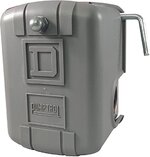
not sure what info you're seeking, but they would fail at the points , rust build up entering the diaphragm, diaphragm failure etc.
they are as accurate as need be. if they fail and the motor won't shut off is the only thing that would affect motor burnout
they are as accurate as need be. if they fail and the motor won't shut off is the only thing that would affect motor burnout
Firebrick43
Well-known member
depends on where they are installed. Most installed inside a dry basement last 20 to 30 years. Installed in a damp well pit they might last 5 to 10.on average, how long each pressure switch works properly?
if the switch fails in the closed position, ( calling for waterpressure) it would make the motor run continuously . the rating on the motor would determine whether it has a duty cycle or not . most people would shut off the pump if they were leaving for extended periods
Shadowdog500
Well-known member
Was this cottage built to be occupied in the winter? If the pipes are outside in a freezing climate it sounds like it was built to be a place to get away in the spring, summer, and fall. If so it needs to be winterized in the fall by blowing out the water lines and filling the traps with RV Water line antifreze.
Does the cottage have heat and proper insulation?
Does the cottage have heat and proper insulation?
Last edited:
Zeke
Well-known member
Why don't you just come out and ask us to write your paper?
Go easy guys, I've actually been involved in sessions with Students in engineering, they are tasked with planning a better, very specific class 1 medical device for market . They have very little knowledge about the product,or the reasons why they are needed and so on. We are in the classroom with them, instructing for about 4 hours to answer many very good questions. We always runshort of time.
As silly as this thread may seem to some, it's with no doubt in my mind the questions being asked are sincere. Examples of these questions are our upcomming engineers .
The GJ collective is continuously on here seeking advice and sharing their experiences, this is no different
As silly as this thread may seem to some, it's with no doubt in my mind the questions being asked are sincere. Examples of these questions are our upcomming engineers .
The GJ collective is continuously on here seeking advice and sharing their experiences, this is no different
Uncle murph
Well-known member
This whole thread reeks of Bull————!
pcmeiners
Well-known member
Our next question from the OP will be about brain surgery for dummies, after changing his major. With an MA there is no reason the OP should be asking such simple questions which are all answered on the Internet with some research.