Hi Tom. Not to cast any aspersions on your father or uncle, but note that Remington Cutlery was established in 1920. Before WWI, two countries dominated the knife market: England (Sheffield) and Germany (Solingen). In WWI, England lost its expertise - quite literally in action, and Germany lost its export customer base to resentment. Remington, fat with WWI cash, cleverly stepped into the abyss with Remington Cutlery. Their investment and truly innovative manufacturing processes allowed them to produce up to 10,000 high quality knives per day throughout the Roaring 20's, a full decade before the Great Depression struck. Perhaps it helped them somewhat with retention, but the economic effects were fairly widespread across products, so it was kind of hard for any company to avoid it in a zero sum game. They sold the division to PAL Cutlery just before WWII, as you mentioned.
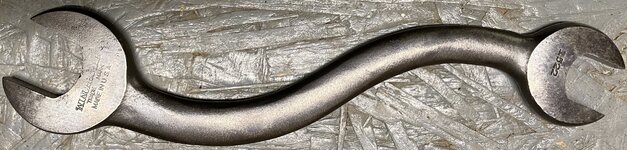
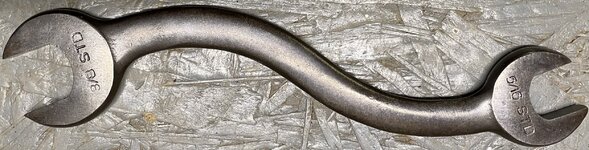
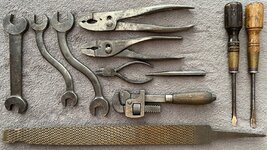
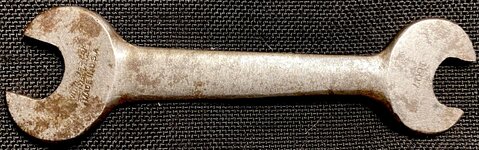
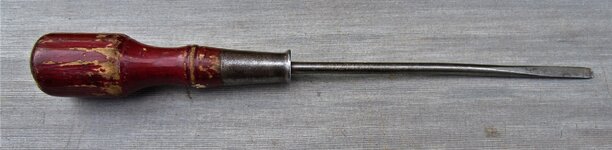
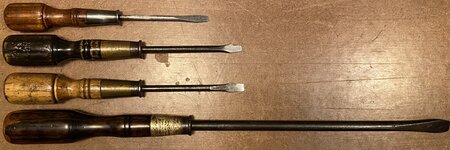
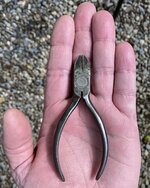
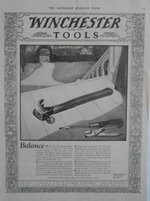
Winchester is a much different story. They did not make knives, per se. In 1919, also fat with WWI cash, also well before the Great Depression, they bought out the Eagle Pocket Knife Company, which was also located in New Haven, including the plant, and all the employees. Winchester did not make most of the tools, housewares, and sporting goods that they sold through their mail order catalog and in a few of their retail stores, either. Essentially, Winchester attempted to 'Sears & Roebuck' themselves into a nationwide general store, literally banking on their name ("As Good As The Gun" was the slogan), and failed miserably. They went so far "all in" on this plan that they merged, in 1922, with one of Sears, Roebuck, & Co's competitors, E.C. Simmons. When everything crashed in 1929, they crashed with it. The partnership was dissolved in 1931, Winchester was sold, and the buyers re-concentrated on guns only. The popularity of the tools as collectibles, now in its second, very waning wave, is almost strictly a byproduct of the near-mythic "red-blooded" popularity of the firearms and the name and its legacy.