Rabid Badger
Well-known member
- Joined
- Apr 2, 2018
- Messages
- 1,338
This is long-winded. For the payoff, scroll down to the red arrow.
I like my Makita tools. They're dead reliable, have excellent ergonomics and build quality and are consistently the best of the big brands when it comes to NVH. Unfortunately, I also like watching Torque Test Channel. They've been steadily sowing seeds of discontent in my mind regarding the stagnation of battery technology for the LXT line. They assembled a 21700 battery pack for LXT tools that radically increased their performance, but it also lacked basic safety features like cell balancing, low voltage cutoff, et cetera. I didn't see any better alternatives, so I soldiered on with my 5Ah batteries.
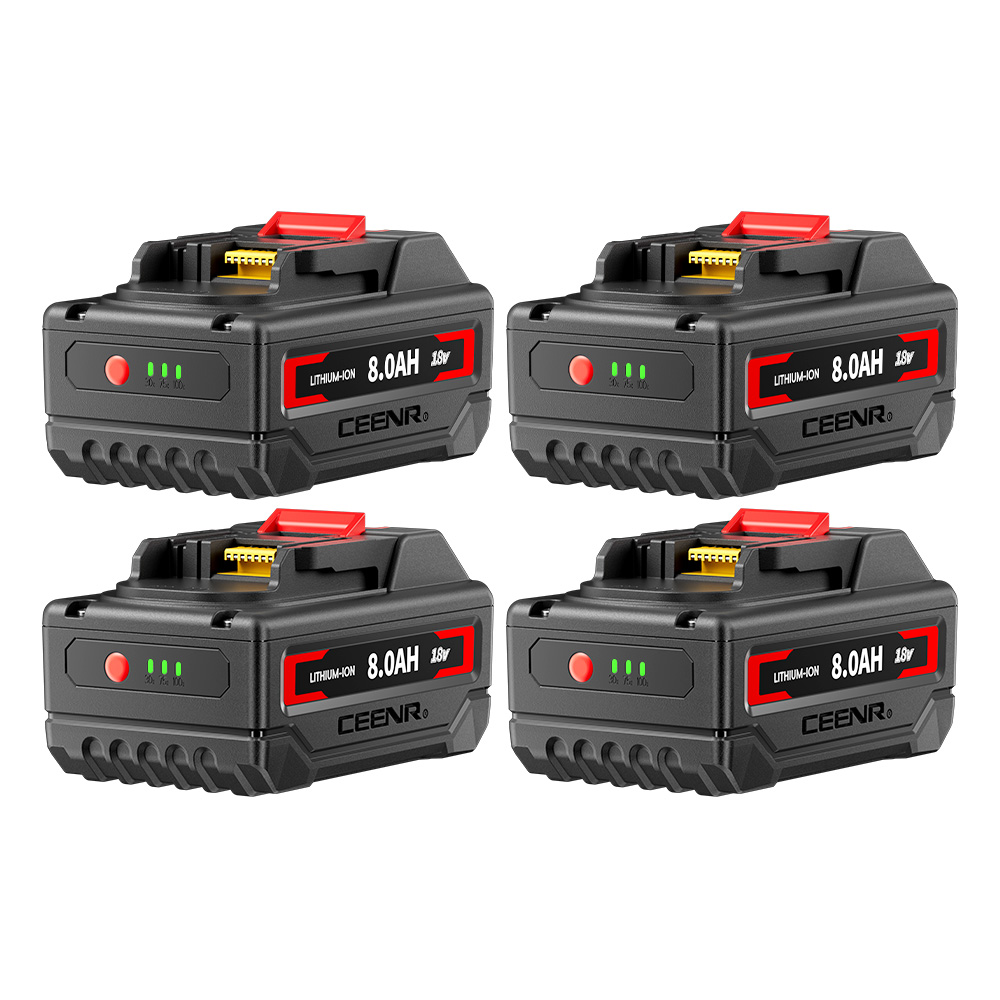
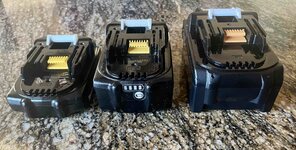
Fast forward 10 months or so and I came across this battery on Amazon:

It advertised 21700 cells and:
A) The picture wasn't a render.
B) It looked like it might be decent quality.
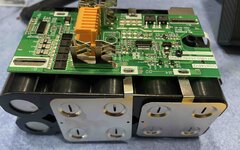
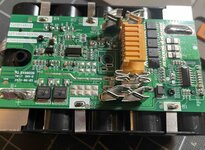
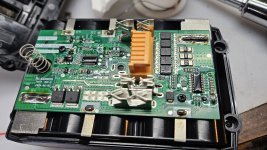
For $50, I took a chance and ordered one. When it arrived I was surprised at how solid the housing felt. It's polycarbonate, just like OEM Makita batteries. When I opened it up I was even more surprised to find a management board with a microcontroller, bms chip, cell balancing, temp sensor, shunt resistors for current monitoring, and 3 110A mosfets for emergency cutoff.
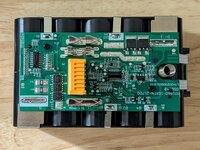
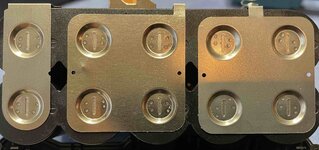
The battery also contained Lishen LR2170LA cells. Lishen is a lesser known Chinese manufacturer, but everything I found said these cells perform somewhere between Samsung 40Ts and Molicel P42As. In other words, pretty damn good. The only real problem was the thermistor on the board wasn't bonded to the cells, but that was an easy fix. For $50, this battery was an absolute steal.
I ordered another. When I opened it up I was pleased to see the thermistor had been properly bonded to the cells, but instead of the Lishens, this pack contained Samsung 30Ts. These are quality, high-current cells, but they add up to 6Ah, not 8. I was disappointed since I wanted a pair to use in my lawn mower, by far my highest-draw LXT tool.
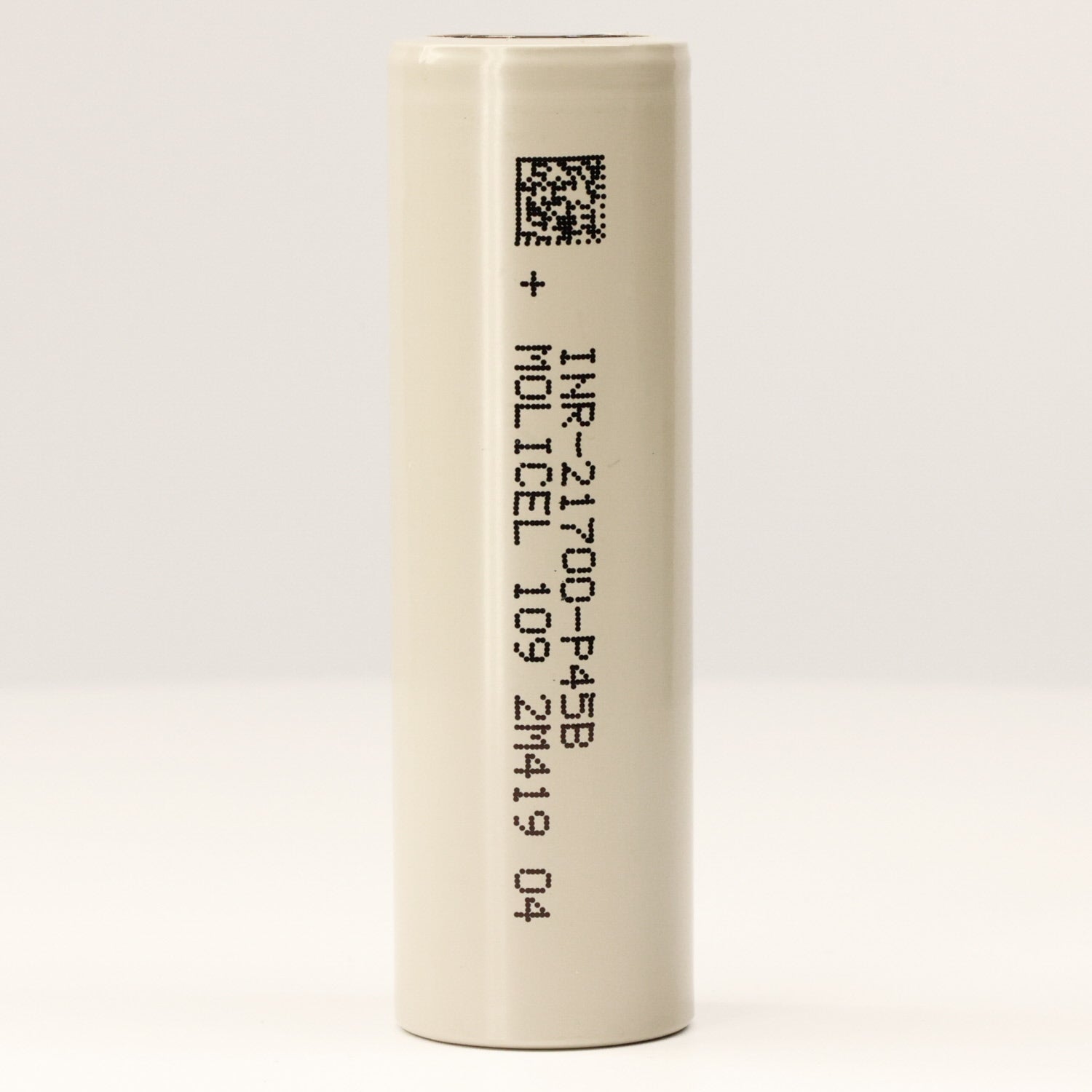
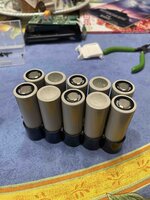
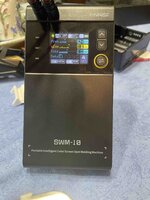
Then it happened. I found the same battery shell/circuit boards being sold as a kit on Aliexpress for $16 each. I ordered two, along with 20 Molicel P45Bs. Today, I fired up my home-built battery spot welder and got to work:

The build went smoothly, all the parts are well made and fit together nicely. I added some additional nickel strips to the positive and negative terminals on the circuit board for extra current capacity, assembled the pack and threw it on the charger.

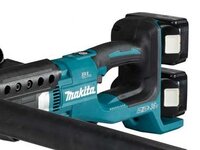
A while ago, YouTuber Tools and Stuff did a runtime test of the XGT and LXT versions of the Makita dust blower. The LXT version ran for 12.5 minutes. At the end the 5Ah battery was extremely hot and had to be cooled down before it could be charged.
My results: 25.5 minutes, and the battery pack was barely warm. After the pack recharged, I opened it up and checked the voltage of the cells and all of them were within 0.002V. This is better than the 0.05V balance the cells had when I assembled the pack, so I think it's safe to say the cell balancing works.
I'm going to call this a success.
I like my Makita tools. They're dead reliable, have excellent ergonomics and build quality and are consistently the best of the big brands when it comes to NVH. Unfortunately, I also like watching Torque Test Channel. They've been steadily sowing seeds of discontent in my mind regarding the stagnation of battery technology for the LXT line. They assembled a 21700 battery pack for LXT tools that radically increased their performance, but it also lacked basic safety features like cell balancing, low voltage cutoff, et cetera. I didn't see any better alternatives, so I soldiered on with my 5Ah batteries.
Fast forward 10 months or so and I came across this battery on Amazon:
It advertised 21700 cells and:
A) The picture wasn't a render.
B) It looked like it might be decent quality.
For $50, I took a chance and ordered one. When it arrived I was surprised at how solid the housing felt. It's polycarbonate, just like OEM Makita batteries. When I opened it up I was even more surprised to find a management board with a microcontroller, bms chip, cell balancing, temp sensor, shunt resistors for current monitoring, and 3 110A mosfets for emergency cutoff.
The battery also contained Lishen LR2170LA cells. Lishen is a lesser known Chinese manufacturer, but everything I found said these cells perform somewhere between Samsung 40Ts and Molicel P42As. In other words, pretty damn good. The only real problem was the thermistor on the board wasn't bonded to the cells, but that was an easy fix. For $50, this battery was an absolute steal.
I ordered another. When I opened it up I was pleased to see the thermistor had been properly bonded to the cells, but instead of the Lishens, this pack contained Samsung 30Ts. These are quality, high-current cells, but they add up to 6Ah, not 8. I was disappointed since I wanted a pair to use in my lawn mower, by far my highest-draw LXT tool.
Then it happened. I found the same battery shell/circuit boards being sold as a kit on Aliexpress for $16 each. I ordered two, along with 20 Molicel P45Bs. Today, I fired up my home-built battery spot welder and got to work:
The build went smoothly, all the parts are well made and fit together nicely. I added some additional nickel strips to the positive and negative terminals on the circuit board for extra current capacity, assembled the pack and threw it on the charger.
A while ago, YouTuber Tools and Stuff did a runtime test of the XGT and LXT versions of the Makita dust blower. The LXT version ran for 12.5 minutes. At the end the 5Ah battery was extremely hot and had to be cooled down before it could be charged.
My results: 25.5 minutes, and the battery pack was barely warm. After the pack recharged, I opened it up and checked the voltage of the cells and all of them were within 0.002V. This is better than the 0.05V balance the cells had when I assembled the pack, so I think it's safe to say the cell balancing works.
I'm going to call this a success.