-I hope my reply wasn't taken as a criticism, was just trying to inform. It's rather crass to hammer on someone for what they didn't really know.
As I’ve mentioned above I’m guilty of buying wheel bearings and pressing them into the steering knuckle and pressing the hub into the new bearing without measuring.
-We've all done this too, I sometimes don't measure either unless something seems wrong.
My procedure had been as simple as cross checking part numbers with OEM numbers
-A decent methodology for ordering.
and sometimes maybe taking a measurement with this cheap caliper,
-Your cheap caliper is ok for checking fastener sizes most of the time (some metric/inch are too close for a caliper) or just getting rough measurements. Bearing fitment is, or should be, too exact to trust to an instrument not capable of discerning close tolerances.
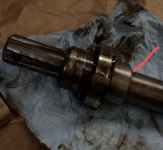
I knew something wasn’t right with this new shrink fit collar. The name of this collar threw me off.
-That when things should be measured for level of precision required. Things purchased off the internet that are made in the 3rd world aren't always what they should be. Even things from a "factory OEM" website aren't always what they should be either, especially when the OEM chooses to outsource what they once made. Can anything be trusted? NO. Trust but verify. Sorry state of affairs we're all in now.
In my mind I thought maybe it was a super tight interference fit or something because of the name. Not saying my thoughts made sense, but that’s what was running through my mind, maybe it was the heat here getting to me.
-You really should research what a running, slip, press, and interference fits are supposed to be. It's a quick read and will inform you when something doesn't seem right so you'll have a set of numbers for what IS right. Measuring, when in doubt, will also tell you if a component like a shaft or housing has worn and a problem exists. Shafts and housings can get wear from bearings being installed incorrectly, metal gets displaced like that.
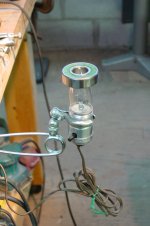
What tool would be proper for measuring the ID of a bearing or in this case the collar?
-I can type up a guide but perhaps it's better if I direct you to what will work for you. No point in spending an exorbitant amount of cash for something you'll not use very often. What size, approximately, is the ID you want to measure?