Chilly, thanks 
Ron, all of the devices I've been writing about use either Zigbee (2.4Ghz) or Zwave (908 MHz) radios, so require no wifi network at all. The SmartThings hub I'm using has both Zigbee and Zwave radio chips on board, so can manage both networks. The hub itself needs to be plugged into your router/switch. Both of these protocols have the ability to form their own "mesh" networks, so you can cover larger distances as wired-in devices (like wall switches, plugs, relays, thermostats etc) usually work as repeaters in the network, running encrypted traffic around the mesh.

This makes for excellent reliability, and coverage without all the issues of adding access points for WIFI. The Zigbee and Zwave protocols are designed for very low power use (about 1/4 of what WIFI needs), so motion sensors powered with coin-type batteries like the SmartThings sensors will go 1-2 yrs without touching them. A new lower power standard for WIFI, 802.11ah or "Wi-Fi HaLow", is looking to change this, so we will see devices using this tech in the next year or two.
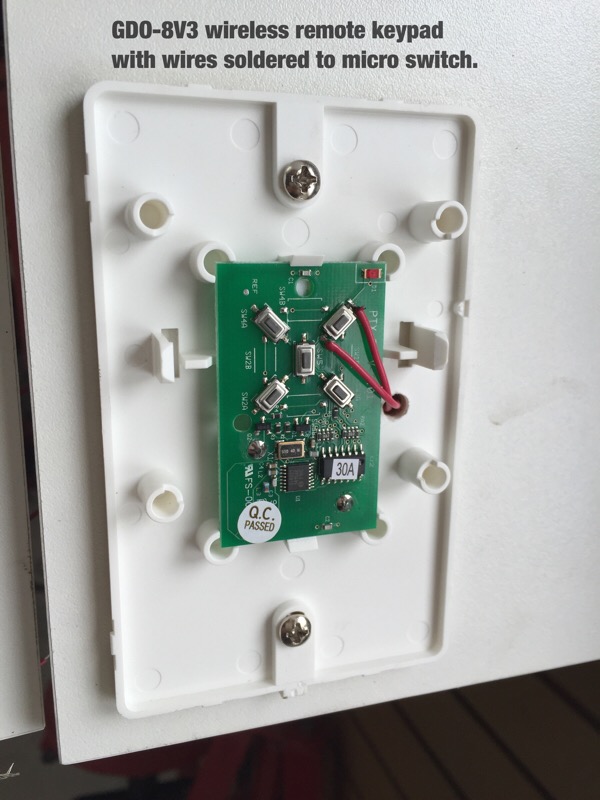
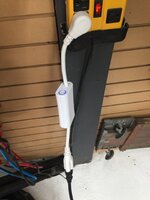
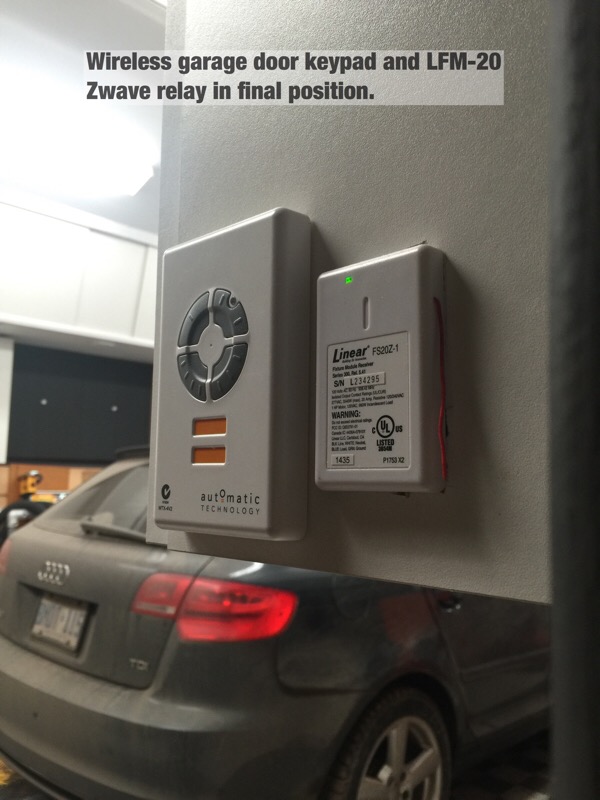
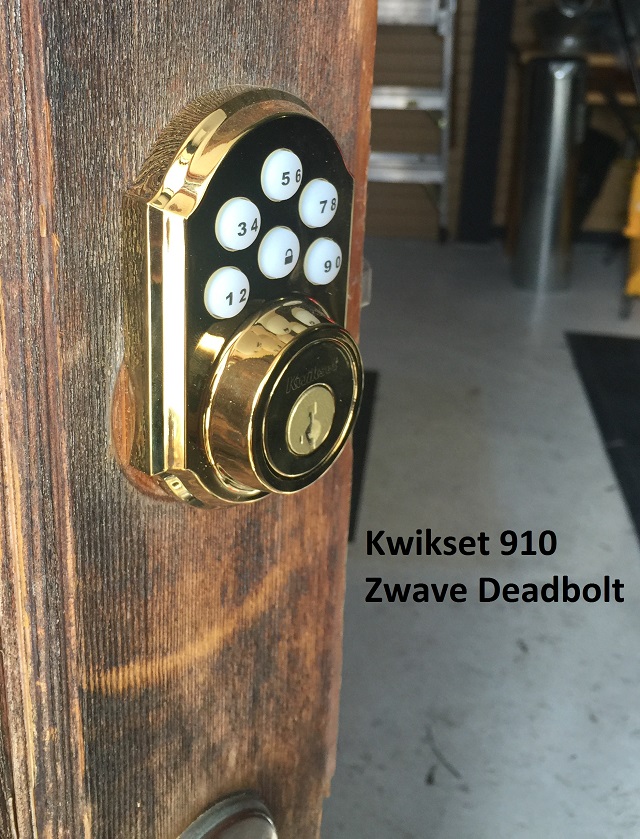
This relay (which automates the roll up door) is wired in, and being closest to the house, likely is the "hop" that the deadbolt uses to communicate with the house network, about 60ft away. To conserve battery life, the deadbolt is only communicating when it needs to.
Ron, all of the devices I've been writing about use either Zigbee (2.4Ghz) or Zwave (908 MHz) radios, so require no wifi network at all. The SmartThings hub I'm using has both Zigbee and Zwave radio chips on board, so can manage both networks. The hub itself needs to be plugged into your router/switch. Both of these protocols have the ability to form their own "mesh" networks, so you can cover larger distances as wired-in devices (like wall switches, plugs, relays, thermostats etc) usually work as repeaters in the network, running encrypted traffic around the mesh.
This makes for excellent reliability, and coverage without all the issues of adding access points for WIFI. The Zigbee and Zwave protocols are designed for very low power use (about 1/4 of what WIFI needs), so motion sensors powered with coin-type batteries like the SmartThings sensors will go 1-2 yrs without touching them. A new lower power standard for WIFI, 802.11ah or "Wi-Fi HaLow", is looking to change this, so we will see devices using this tech in the next year or two.
This relay (which automates the roll up door) is wired in, and being closest to the house, likely is the "hop" that the deadbolt uses to communicate with the house network, about 60ft away. To conserve battery life, the deadbolt is only communicating when it needs to.
Last edited: