jdtreeline
New member
- Joined
- May 9, 2024
- Messages
- 4
Hey guys,
I'm a long-time reader and I used to be active here years ago but I have lost my login information, so this Is my first post under the new account.
I have a 3-phase Napa air compressor (baldor motor and Atlas Copco pump) at my shop that I bought and installed brand new a little over a year ago. It has been an awesome unit until recently. A few months ago a garbage truck contacted the primary powerlines that feed our shop and they had to be replaced. When the city restored power to our building they had the phases reversed. I did not notice this until 2 months later when my compressor started pushing excessive amounts of oily moisture out of the lines. Upon inspection, I realized the motor was rotating backward. After many phone calls and emails, I finally got the city to admit their mistake and correct the phasing on the primary side, But they have refused to replace my damaged compressor (yes I have my commissioner and lawyer looking into further action) That's the Backstory. The motor is back on correct rotation but the pump is still pushing excessive oily moisture and consistently tripping the thermal overload for the motor.
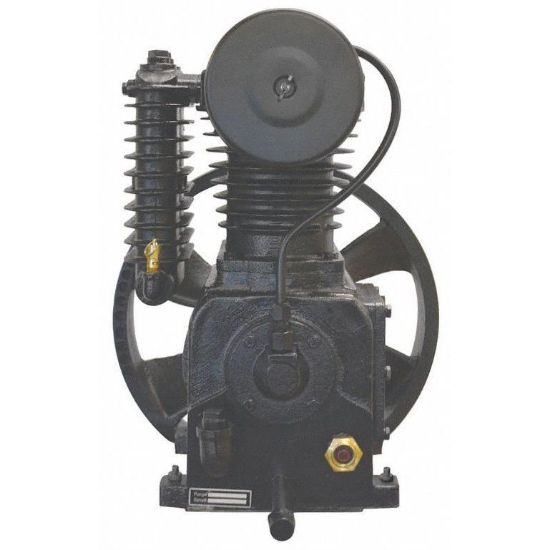
What is the potential internal damage to my pump, and would this pump be a good candidate to be rebuilt? Or am I better off replacing it with a brand-new pump? The pump is an Atlas Copco (potentially rebranded Chicago pneumatic?) Model# 1312100706. Rebuild kits do exist at roughly half the cost of a replacement, but I want to be sure the damage is not to extensive to rebuild. Can anyone give me some advice? I'm guessing I need to start by tearing down the pump, but I don't know exactly what I'm looking for here.
Thanks in advance for any help you guys can send my way!
I'm a long-time reader and I used to be active here years ago but I have lost my login information, so this Is my first post under the new account.
I have a 3-phase Napa air compressor (baldor motor and Atlas Copco pump) at my shop that I bought and installed brand new a little over a year ago. It has been an awesome unit until recently. A few months ago a garbage truck contacted the primary powerlines that feed our shop and they had to be replaced. When the city restored power to our building they had the phases reversed. I did not notice this until 2 months later when my compressor started pushing excessive amounts of oily moisture out of the lines. Upon inspection, I realized the motor was rotating backward. After many phone calls and emails, I finally got the city to admit their mistake and correct the phasing on the primary side, But they have refused to replace my damaged compressor (yes I have my commissioner and lawyer looking into further action) That's the Backstory. The motor is back on correct rotation but the pump is still pushing excessive oily moisture and consistently tripping the thermal overload for the motor.
What is the potential internal damage to my pump, and would this pump be a good candidate to be rebuilt? Or am I better off replacing it with a brand-new pump? The pump is an Atlas Copco (potentially rebranded Chicago pneumatic?) Model# 1312100706. Rebuild kits do exist at roughly half the cost of a replacement, but I want to be sure the damage is not to extensive to rebuild. Can anyone give me some advice? I'm guessing I need to start by tearing down the pump, but I don't know exactly what I'm looking for here.
Thanks in advance for any help you guys can send my way!