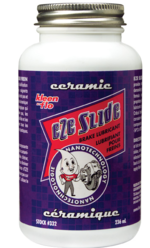
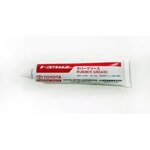
Toyota rubber will have that effect VERY quickly with only incorrect grease choice. The purple/ceramic stuff absolutely balloons the toyota rubber, and there "grease" degrades into a chalky gunk. My theory is all of the oil section of the grease gets absorbed into the rubber bits. Permatex purple/ceramic is a poor choice in general for slide pins, but a lot of shops use it. The pins will be tight enough stuck to need an air hammer to remove, choked by the rubber. Once removed from the rubber, the pins slide easily and smoothly in the bore.
If replacing pins/boots especially on toyoto brakes, they need to be as a pair. The aftermarket rubber damper ring will be too large for toyota pins, and the toyota ring will be too loose on the aftermarket pins. I believe the rubber boots are slightly thicker diameter as just replacing the boots and using toyota factory pins can lead to a very tight fit where aftermarket pins move freely.
I have seen many brake jobs foiled by permatex purple on slide pins, and toyota is likely the most easily effected.
I am NOT a materials scientist. My speciality is mechanical stuff. We must have a materials person on this board. I've seen a couple mentions, but not sure if there's been a thread on this or not. Here's my request:
Can someone summarize what the "rubber" material for:
Serpentine Belts
Radiator Hoses
Power steering hoses
Rubber brake lines
Fuel lines
Rubber flex boots like CV, assuming brake calipers are similar
Rubber window seals, windshield gaskets, etc
Then for extra credit what are interior bits made from?
Christmas trees and other plastic panel fasteners
Rubber floor mats (like the one in my F150, not the weather tech ones you buy and install yourself)
Interior hard plastic dashes, inner door panels etc.
If you want to start a new thread, that would be preferable. Then let's get a grease compatibility chart. If the answer is "everything is EPDM" I'll be embarrassed, but go for it.
Here's how dumb I am about this subject: I keep SuperLube on hand because I believe is it generally compatible with everything (rubbers, not greases). It's convenient, not messy and non toxic, so if I get it on my hands, then have a sandwich, I'm not poisoning myself. I bought a tube of dielectric grease the other day for my battery terminals. Pretty sure SuperLube IS ALSO a dielectric grease. I probably have a dozen products in all different containers for different uses that are either all the same or when combined would blow up my garage. I just have no idea about this stuff. Can someone please help me? I'm sure your answer would do some good here.