I used acetone one time to thin rustoleum. I think it makes it dry faster, IIRC. The other times I have just used paint thinner. I thin until it feels good and works well, but I was a pro painter and tradesman for 17 years (commercial and residential).
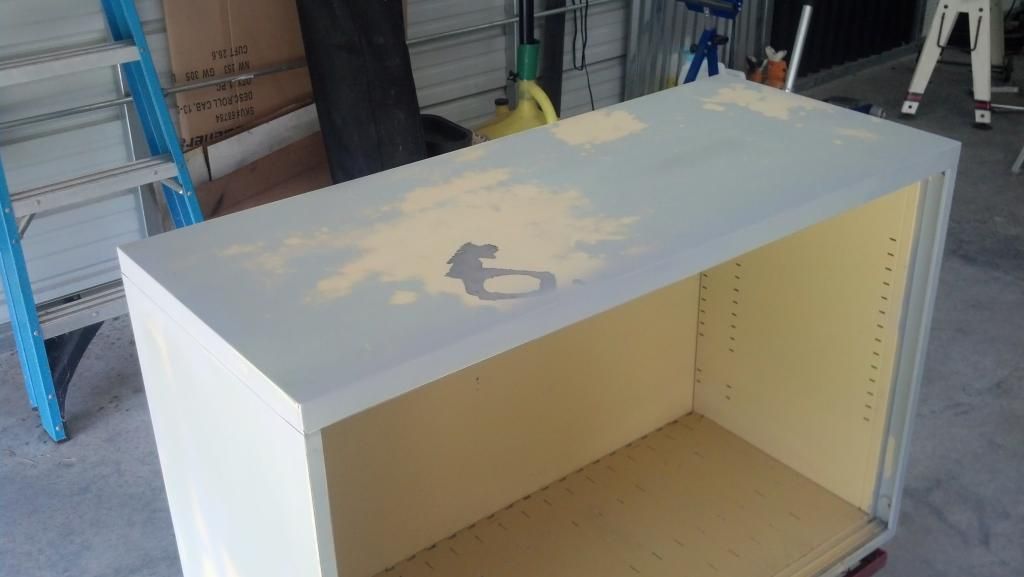
I have a metal cart that sits in the middle of my garage, that was a freebie. The first time around, I sprayed it with my binks conventional gun and rustoleum oil based paint. The overspray is a problem around home and with spraying on the grass, dirt, grass, bird ****, etc. can get into the paint.
Last time I painted the cart, I degreased it, sanded, wiped it down and rolled it with a 1/4" nap roller that was 3" wide. A cheap chip brush was used for the edges where steel overlapped and the roller didn't work well. It seemed pointless to waste the thinner to clean one of my good brushes, and oil paint residue is hard on brushes that are used in water based paint. You can add pentrol to oil based paint to help it flow out as well. The key to oil is to not overwork it. Actually, the new zero voc water based paint in Komnifornia is the same way. It does not flow well and it dries too fast.
Use a brush and roller for simple shapes where you don't need a perfectly smooth finish (although it can turn out quite nice), and spray the intricate items or items that need a very smooth finish.
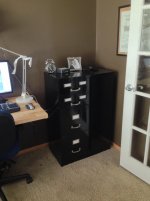
That cabinet looks very nice, Larry.
Rattle cans will do in a pinch, but they are not consistent for a large flat area and the price is much higher than just buying a quart of paint, for the amount of area you cover. I prefer a brushed and rolled finish that is even and tough compared to the thinner and often blotchy finish rattle cans seem to make.