O.P. Sadly, any brass punch will deform if you use it on pins.
First off, ensure you do need a punch, not a drift! If you can get by using a drift, or even a brass hammer, do so.
Most times, folks don’t need a brass punch, but rather a non marking one. If you take a regular tool steel punch, break the corner, and polish the tip, you can use it on good quality pins without marking them.
If you have a small pin, and absolutely can’t risk any marks, then phosphor bronze is the best option, but you generally have to make these yourself.
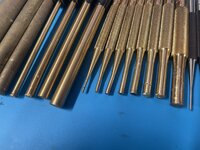
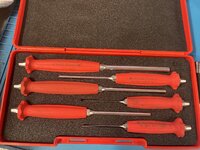
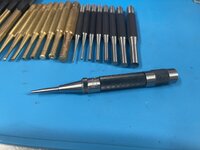
Below are my commonly used small pin punches and drifts. I have two sets, as you want them close fitting, so generally need both imperial and metric. The chrome PB already have the corners broken and are fairly well polished, so are pretty non marking from the start.

Bent punches usually means you are using the wrong tool. Pins generally need to be started using a taper punch, then switch to a pin punch to knock the pin out. If you need a long pin punch, then you only use that after the other two.
Here are some of mine, use left to right!

If you’re thinking that you need three types of punch, then maybe imperial and metric, then specials such as brass or roll pin, and that’s a lot, you’re right! Pin punches have one thing in common with screwdrivers. You can’t have too many!
To answer the original question, I think you’re right. Starrett are among, if not the best, steel punches out there. Is it worth buying Starrett in brass, I think I’m with Grant above, and it probably isn’t.