

You are using an out of date browser. It may not display this or other websites correctly.
You should upgrade or use an alternative browser.
You should upgrade or use an alternative browser.
Burnishing after Densifier?
- Thread starter Samh
- Start date
Shea
Well-known member
Euco Diamond Hard is a type of sodium silicate densifier. It requires more work and attention to scrub in and rinse properly compared to the lithium silicate densifers. The fine white dust is what results when it is either overapplied and/or not rinsed well and kept wet for 30 minutes after application. It can be removed via heavy scrubbing.Nevermind, after it dried, it doesn't even look like I did anything. There is a real fine dust on it now though.
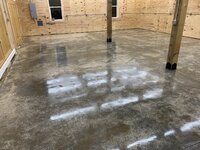
I applied by pouring on the floor and using a t-bar floor applicator. I kept it wet for at least 30 minutes while applying. I did not rinse, as the instructions didn't say to rinse, only apply water if it started to gel. I attached images of what it looked like when I finished application, and 48 hours later. I also don't think I would classify what I did as working it in, vs just covering the floor.Euco Diamond Hard is a type of sodium silicate densifier. It requires more work and attention to scrub in and rinse properly compared to the lithium silicate densifers. The fine white dust is what results when it is either overapplied and/or not rinsed well and kept wet for 30 minutes after application. It can be removed via heavy scrubbing.
Attachments

Shea
Well-known member
That's correct about keeping it wet. Rinse was a poor choice of words.I applied by pouring on the floor and using a t-bar floor applicator. I kept it wet for at least 30 minutes while applying. I did not rinse, as the instructions didn't say to rinse, only apply water if it started to gel. I attached images of what it looked like when I finished application, and 48 hours later. I also don't think I would classify what I did as working it in, vs just covering the floor.
That doesn't look bad at all from the pic. Just as an FYI for future applications, the instructions state the following; "With soft bristle hand brooms or brushes on an auto-scrubber, work the EUCO DIAMOND HARD around the area to be treated and into the surface."
This is most likely why you have a bit of residue on the surface. The sodium silicate molecules are larger than lithium silicate molecules and require a bit of scrubbing to work into the concrete. Keeping it wet is important because the sodium silicate raises the pH in the concrete and can push salts and other minerals to the surface.
I think because I was expecting a sealed type surface like you see at box stores is part of it. I went ahead and calledEuclid Chemical to ask, and they said it was normal. They said I can burnish it now, and it will get more of a sealed looking finish. Seems weird though, as it just looks like regular concrete, so I can't imagine it would make a difference.That's correct about keeping it wet. Rinse was a poor choice of words.
That doesn't look bad at all from the pic. Just as an FYI for future applications, the instructions state the following; "With soft bristle hand brooms or brushes on an auto-scrubber, work the EUCO DIAMOND HARD around the area to be treated and into the surface."
This is most likely why you have a bit of residue on the surface. The sodium silicate molecules are larger than lithium silicate molecules and require a bit of scrubbing to work into the concrete. Keeping it wet is important because the sodium silicate raises the pH in the concrete and can push salts and other minerals to the surface.
So, for the other section of floor, to avoid the yellowish powder, work it in better?
Shea
Well-known member
That's correct. Just follow the application instructions all the way through and you should get much less of the yellowish residue. Burnishing a sodium densifier is not going to provide a big change though. You will definitely notice a difference between where you burnished and where you did not, but it's not going to bring out a shine if that is what you are looking for.I think because I was expecting a sealed type surface like you see at box stores is part of it. I went ahead and calledEuclid Chemical to ask, and they said it was normal. They said I can burnish it now, and it will get more of a sealed looking finish. Seems weird though, as it just looks like regular concrete, so I can't imagine it would make a difference.
So, for the other section of floor, to avoid the yellowish powder, work it in better?
If you want more of a shine, then I would recommend scrubbing the surface well first with a floor maintainer using black cleaning pads to remove most of the residue. Densifiers take a full week to react with the minerals in the concrete, so you will want to wait at least that long before scrubbing. You can then apply a stain guard and then burnish that. They are typically used on polished concrete to keep the shine and help to protect it. We have an example of such a project below.
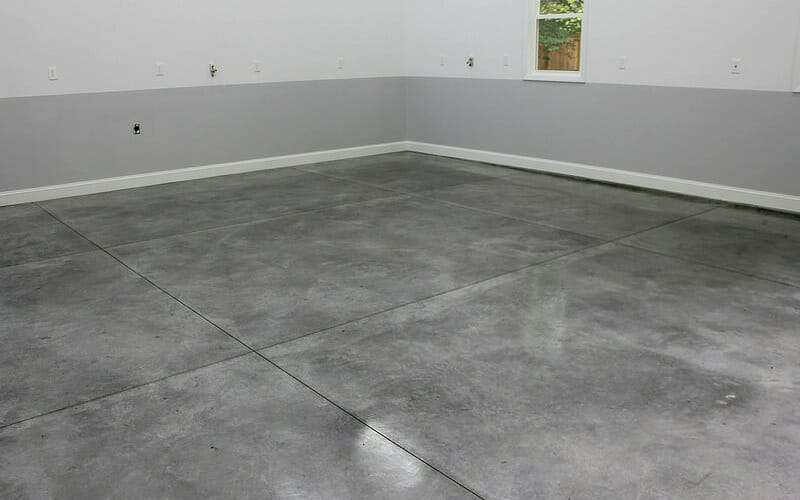
Densifier with StainGuard gets a Polished Garage Floor Look | All Garage Floors
See how this garage floor obtained a glossy and polished look with just a densifier and high speed buffer in this nice garage build project.
 allgaragefloors.com
Luckily, the residue comes up fairly easily with a push broom. The link to the HD40 concrete guard looks like the finish I would like on mine.That's correct. Just follow the application instructions all the way through and you should get much less of the yellowish residue. Burnishing a sodium densifier is not going to provide a big change though. You will definitely notice a difference between where you burnished and where you did not, but it's not going to bring out a shine if that is what you are looking for.
If you want more of a shine, then I would recommend scrubbing the surface well first with a floor maintainer using black cleaning pads to remove most of the residue. Densifiers take a full week to react with the minerals in the concrete, so you will want to wait at least that long before scrubbing. You can then apply a stain guard and then burnish that. They are typically used on polished concrete to keep the shine and help to protect it. We have an example of such a project below.
Densifier with StainGuard gets a Polished Garage Floor Look | All Garage Floors
See how this garage floor obtained a glossy and polished look with just a densifier and high speed buffer in this nice garage build project.