There is plenty information on the net regarding pouring a slab.
Read and then read it all again and you won't go wrong.
I pondered over getting the professionals in when I was ready to do the concrete,
but after my research and getting quotes it was a no brainer that I was going to do the work myself, I had to get it right first time or it was going to be costly to remove 35 tonnes of concrete and start again.
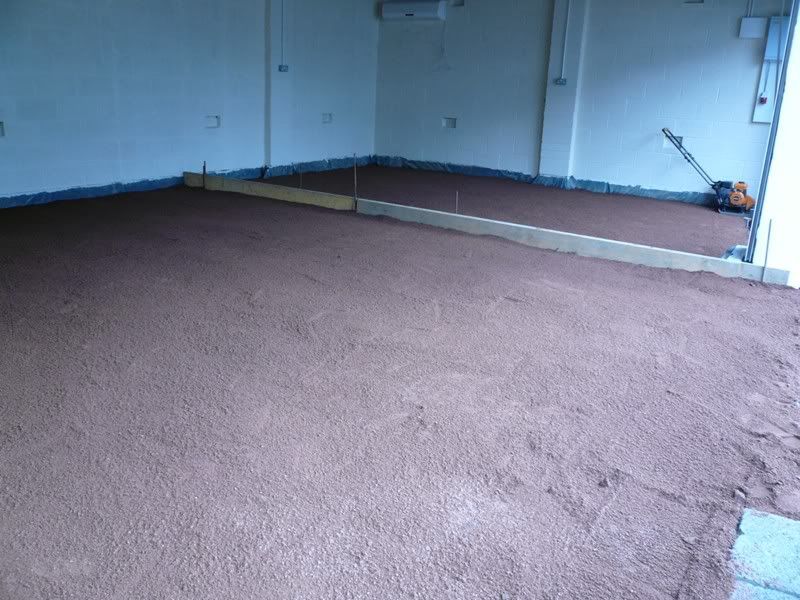
The ******** had been down for 7 or 8 months and I had been driving over it to ensure was completely settled and there were no hollow areas.
3 tonnes of sharp sand was spread on top to act as a barrier for the DPC membrane, this stops any sharp pieces of ******** from damaging the membrane and allowing the dampness to get to the garage
I laid the DPC on top of the sand and set the bays out. I started by laying the centre bay as it will allow access from both ends.
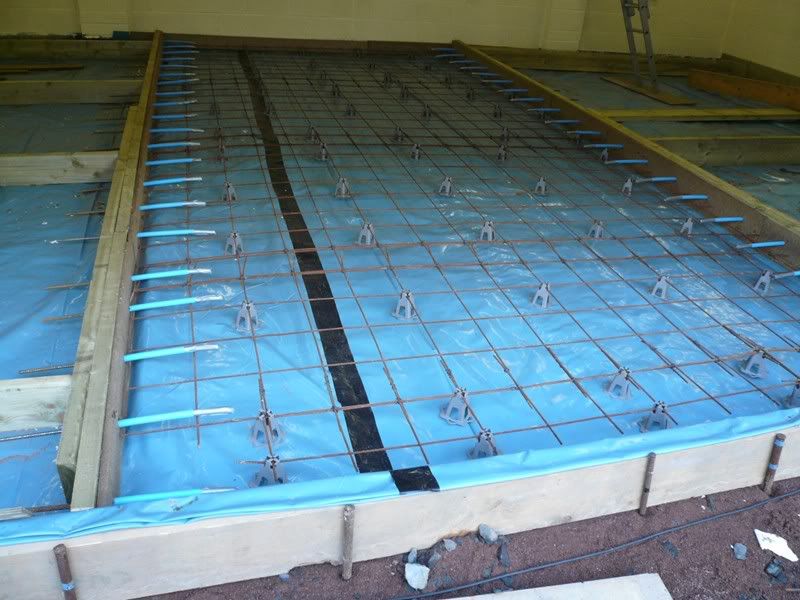
The full length timbers running back to front in the garage is the level guide and the rest are there to support them whilst the concrete is being poured and setting
Flexible board and rebar. The flexible board is almost like a compressed old fashioned carpet felt and it will allow for any expansion of the concrete slab without damage to the walls. The rebar mesh is sitting on pedestals at a predetermined height. The blue sleeves are to allow movement between the 3 bays. The dowel in the sleeve will be set into concrete in one bay and the sleeve set in the adjacent bay which will allow movement without causing cracks.
The first section is now in and smoothed out, I have to let it set now before I can try and get a reasonable finish on it
Smoothed out the best I can
The tie bars with sleeves were fitted for two reasons, firstly to make the removal of the timbers a simple task, and secondly to allow movement between the slabs. I pulled out the tie rods and the timber came away much easier than I had expected.
I will need to lay more DPC as some of it has punctures with us walking over it. The concrete slab is now covered and will stay like that for a few days until it cures. Once cured I will then slip the tie bars back into their sleeves
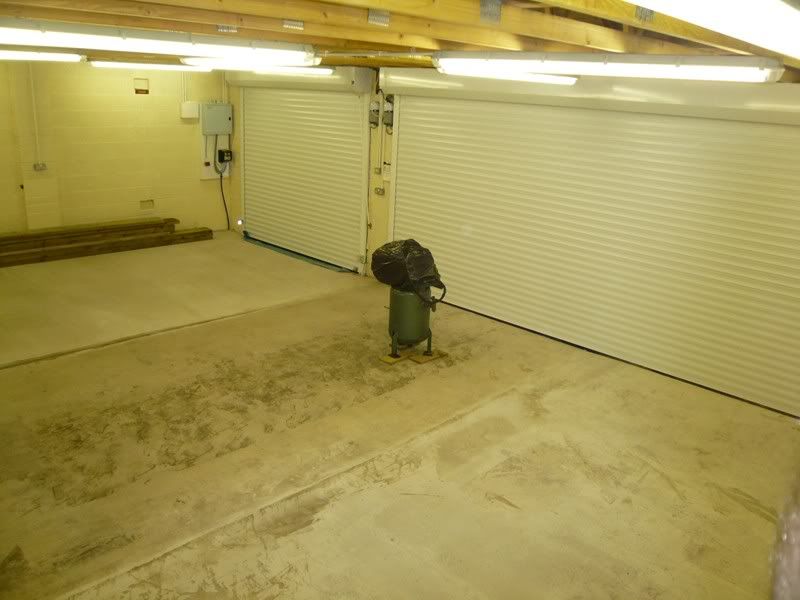
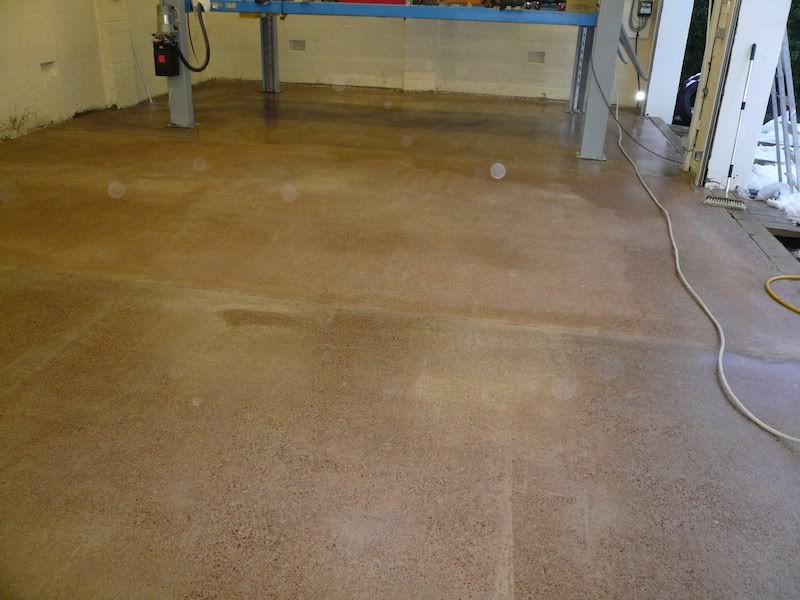
I removed the cover today and this is the results. I would give it about an 8 out of 10.
Am I happy with it? I'm really not sure, I have to say it is possibly better than a lot of garage floors, and for my first attempt is is probably hell of a lot better than I could have imagined but if I had the balls to hire a power float it could have been a lot better. The problem with power floats is that the timing has to be spot on, too early and the concrete goes over the walls and the floor is badly damaged and too late and you are wasting your time. If you get it wrong, you've wasted not only a lot of concrete, but a lot of money and time to dig out and re-do the whole thing again
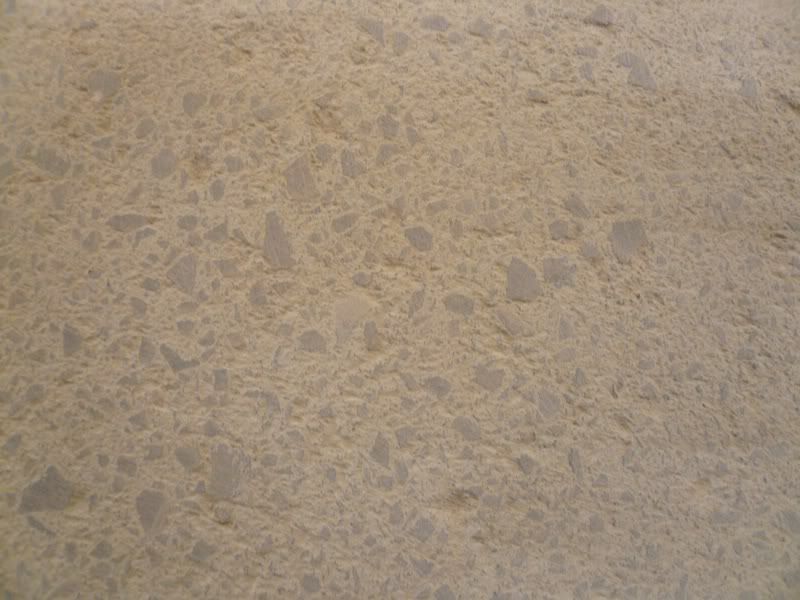
The marks showing in the picture are the fibres from the concrete which I will need to speak with the concrete company about as I don't think they were mixed properly. I don't think it will cause any problems once they have been run over a few times with traffic but if I am paying extra for fibres I would like them to be mixed properly.
Today was spent getting the other two bays ready for the concrete. I decided to screw a small wooden fillets to the wall at concrete finish and this will let me get my levels. All the rebar is fitted but the far away bay has still to be tied together. The fibreboard is all in place underneath the fillets and
when I remove the fillets once the concrete has set I can fill in the gap with the appropriate mastic.
The garage floor is now in but not without problems.
Yesterday the concrete truck arrived and we had 4.5 cube delivered for the left hand bay, unfortunately I had to go to Edinburgh with a regular client and
by the time I got back the floor had set too hard to finish off. I tried using the float with some water but it was too late so I have put some polythene over it for a few days until it cures then
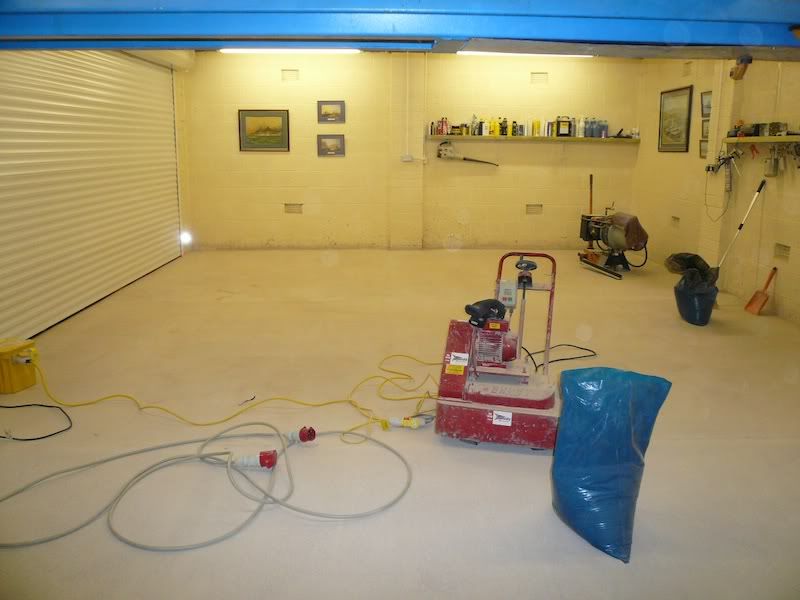
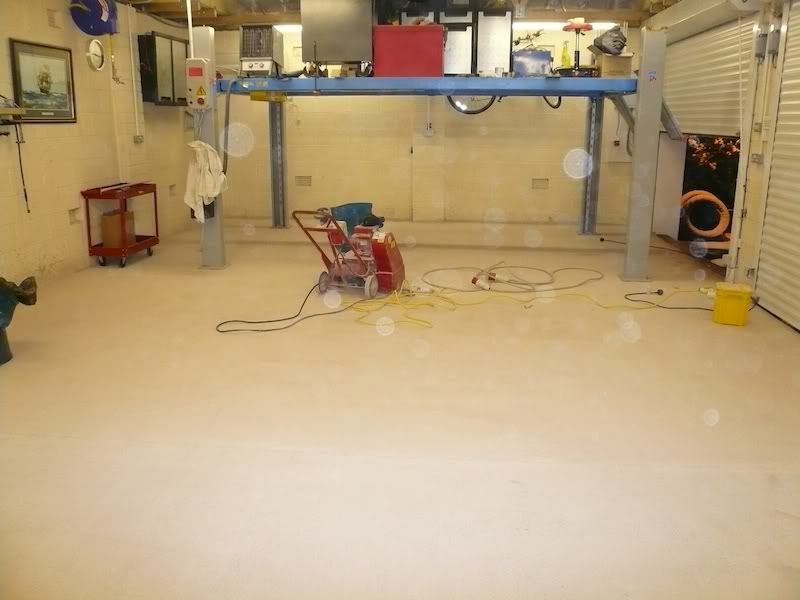
after about 6 weeks I will hire a grinder to repair the damage.
Today I had almost 6 cube delivered for the final bay
and although I was there all day working at it the surface is not as good as I would have wanted. I never had any fibres in the concrete yesterday or today and I do wonder of this is a factor in why the finish was not as good as the first bay.
The good news is the 'Easy Screed' machine I hired worked a treat taking the back ache out of levelling and compacting the concrete, I would highly recommend it to anyone who is doing a larger area. I know if I hadn't used the 'Easy Screed' I could never have managed to lay two bays in two days.
The damage to the bay that we did yesterday is surface only so although it is a pain in the ****, it's not really a big deal...
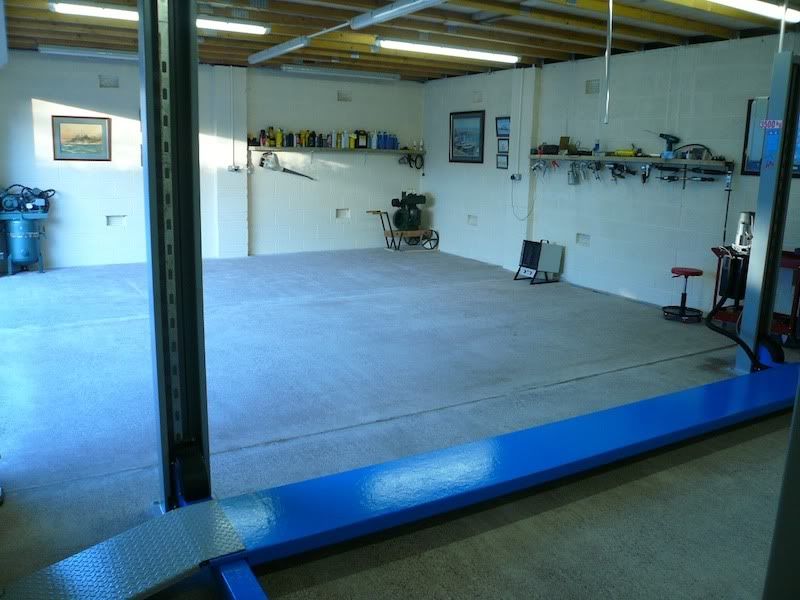
It is good to know that the garage is almost finished as the build started just over a year ago,
Hope this helps you decide 


 When the trucks roll in, there ain't no turnin' back!!!!
  And if you are not 100% sure about doing the work yourself, spend the little extra and leave it to the pro's.