Forgot to add when you Re-Do this . . .
. . . .
. . . . good practice to leave an INCH of exposed flashing around the body of vent.
This gives water a place to go to easily run downhill on the steel next to body of vent. Also, give a place for trash to be washed down, rather than piling up.
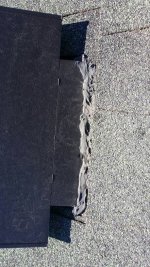
See attached pictures of example "Turtle passive vents" that may be what you have. First one looks installed half-way right, but I doubt there is tar on underside of vent flashing. If done properly, there would be tar oozing from hole where the nail went through. Also, there should be more exposed steel flashing next to body of vent.
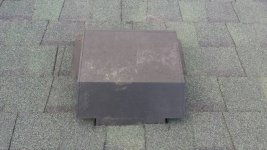
2nd one is newer style that could possibly let water in . . IF . . . giant pile of snow was there constantly melting, re-freezing and melting (ie I don't like those side louvers for that reason).
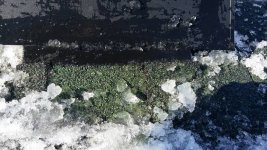
3rd PIC is marked up to show you where big WIDE Smear of TAR should be on UNDERside of vent steel perimeter so that where ever you nail through it goes through the tar. Also, ALWAYS nail out near edge of flashing so there's plenty of undisturbed tar underneath to seal.
When done properly, the tar will ooze up and out hole as you nail at perimeter of flashing, and everything will be sealed up. There should be no need to put tar on top of flashing.
For shingles themselves, you would also heavily smear a wide line of tar on all the UNDERside edges that sit down on steel of the vent flashing. That sticks the shingle down and seals water from "wicking" up where it doesn't belong, or that driving rain can get through . . . or . . in your case melting snow.