
You are using an out of date browser. It may not display this or other websites correctly.
You should upgrade or use an alternative browser.
You should upgrade or use an alternative browser.
Chiesel Plane Identification Help
- Thread starter FourthQuarter
- Start date


kaymccampbell
Well-known member
We call that a shoulder plane around here.
RTM
Well-known member
Or a rabbet or Rebate plane too. Is the blade (bottom view) straight perpendicular to the body, or skewed?
German made, see page below, for Baden Wood Tool factory, Oos, in English, Badische Holzwerkzeugfabrik, Oos (BHF) in German. Oos is the name of the town
,
If you have translate turned on in your browser, it will read nicely. Otherwise it may read in German.
This is what a chisel plane looks like
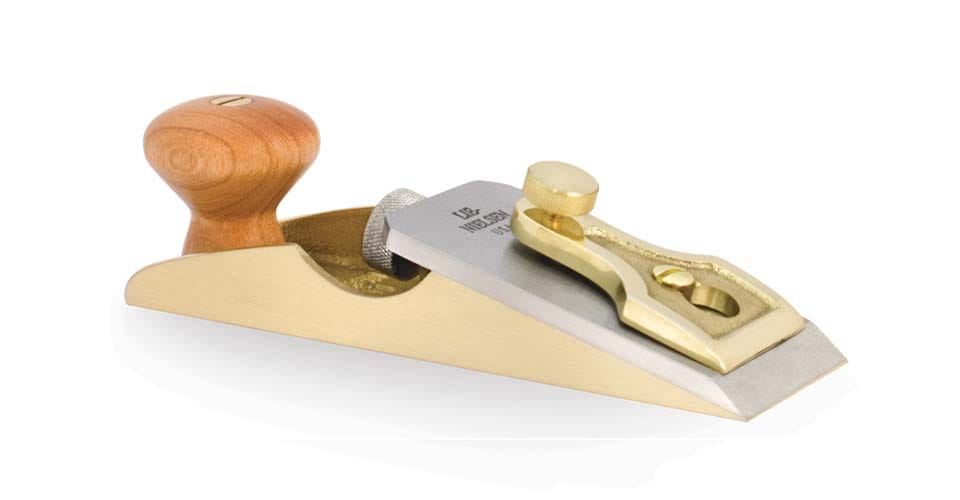
 www.lie-nielsen.com
German made, see page below, for Baden Wood Tool factory, Oos, in English, Badische Holzwerkzeugfabrik, Oos (BHF) in German. Oos is the name of the town
,
If you have translate turned on in your browser, it will read nicely. Otherwise it may read in German.
This is what a chisel plane looks like
Small Chisel Plane
No. 97-1/2 Small Chisel Plane A Chisel Plane can accomplish tasks impossible for normal planes. Because it lacks support in front of the blade, a Chisel Plane does not function like a typical plane but rather more like a paring chisel with very precise depth control. It makes a wonderful clean...
www.lie-nielsen.com
Last edited:
OP
FourthQuarter
Well-known member
Thank you RTM.
Skewed blade.
Rescued from trash heap at my local transfer station.
Skewed blade.
Rescued from trash heap at my local transfer station.
Cleave
Well-known member
Great rescue. The skew rabbet plane is very handy especially for cleaning up notches and tenons in timbers where you have to plane across the grain. For standard rabbets along the grain I find the skew wants to push the plane off the work, so straight bladed rabbet planes are better there.
Firebrick43
Well-known member
Those rabbet planes were wider in blade and had knickers or scoring blade at the side to score the cross grain fibers.Great rescue. The skew rabbet plane is very handy especially for cleaning up notches and tenons in timbers where you have to plane across the grain. For standard rabbets along the grain I find the skew wants to push the plane off the work, so straight bladed rabbet planes are better there.
The plane showed has neither a knicker or blade and would likely be used for trimming shoulders or doing long grain narrow rabbets for trim and door stops.
RTM
Well-known member
Wouldn't the first be called dado planes, cross grain for shelves typically? Not sure if any of my dado planes are skewed.Those rabbet planes were wider in blade and had knickers or scoring blade at the side to score the cross grain fibers.

The Sandusky Tool Company : Catalog No. 25 : Sandusky Tool Co. : Free Download, Borrow, and Streaming : Internet Archive
76 p., illus., 21.5 cm, trade catalog
archive.org
Firebrick43
Well-known member
NoWouldn't the first be called dado planes, cross grain for shelves typically? Not sure if any of my dado planes are skewed.
The Sandusky Tool Company : Catalog No. 25 : Sandusky Tool Co. : Free Download, Borrow, and Streaming : Internet Archive
76 p., illus., 21.5 cm, trade catalogarchive.org
While Dado planes were also used cross grain they had Knickers for both sides of the cut , a shoe to limit depth sometimes, and a stepped sole. The sole/knickers/blade cut a very defined width.
I was specifically talking about Cleve mentioning cleaning up tennons, the plane used to do that is a bench or block Rabbet plane typically has just one knicker on the inside of the cut. Typically left side but there were matching sets many times with the blade skewed the opposite way/knicker on opposite side. The blade was much wider as the right side may hang in the air or the cuts could be quite wide. The sole was not stepped. This type of plane was not conducive to a wooden body due to stress of so much wood cut for the blade to extend to the edge so most examples are going to be cast iron or dovetailed infill planes.
Here is a block version, knicker under the phillips screw

The cleaning of tennons in the wooden plane era was typically done with slicks. And also the work on non visible items such as tennons was much cruder/rougher than most modern woodworkers would think, and backed up with draw bored pegs.
The plane picture posted by the op would only be used with the grain.
Last edited:
RTM
Well-known member
Gotit, I crammed two of your thoughts down into one.I was specifically talking about Cleve mentioning cleaning up tennons, the plane used to do that is a bench or block Rabbet plane typically has just one knicker on the inside of the cut. Typically left side but there were matching sets many times with the blade skewed the opposite way/knicker on opposite side. The blade was much wider as the right side may hang in the air or the cuts could be quite wide. The sole was not stepped. This type of plane was not conducive to a wooden body due to stress of so much wood cut for the blade to extend to the edge so most examples are going to be cast iron or dovetailed infill planes.
Here is a block version, knicker under the phillips screw
I have the off hand skew rabbet block plane, cuz even though right handed, I apparently think backwards to the standard on how to do it.
Cleave
Well-known member
I have a few wooden dado planes of different widths. They have skew irons, a double knicker iron, and a depth stop/shoe.