roc_on_the_rocks
Well-known member
I bought this 1969 split-level house in Oct/2012. Past owners haven’t maintained it very well and I’m slowly catching up as time and budget allows.
The basement gets some water under very heavy rain, about once or twice a year. Not deep water, but it gets to soak the carpet or a little more. Water comes from multiple directions. It has been raining pretty bad recently here in Southern Indiana and the basement is wet again.
I suspect that at least part of the problem could be clogged downspout (underground) drains. I have an ongoing thread here:
http://www.garagejournal.com/forum/showthread.php?t=339049
It puzzles me that the water seeps into the basement from all sides, regardless if that’s the wall facing a good slope towards the house, or the walls near downspout drains.
Here’s something I suspect to be another contributor:
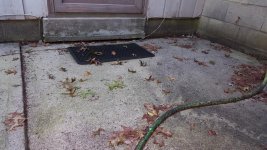
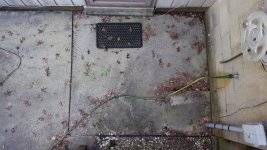
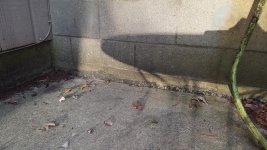
On the back of the house there this concrete block that is clearly settling. Facing west, the basement starts right behind that concrete block wall with the garden hose spigot. And ends on the wall facing the yard slope. To make matters worse, that garden faucet had a chronic leak when I bought the house, who knows for how many years.
Because the concrete is settling there, the rain water doesn’t have where to go, stays standing (one to two inch deep) against the walls. The ground is pretty flat at that point, no downward slopes to help drainage.
I’m looking for ideas to address this potential contributor to my occasional wet basement.
I don't know anything about this. Please critic this list:
1. Power washing the joint between concrete floor and walls and apply heavy doses of mastic type sealant, at least as immediate measure. (I think this option has questionable effectiveness, but maybe wound help until I find a contractor).
2. Power washing the concrete as much as possible (maybe scarring it with a chisel) and pouring a self-leveling concrete on top of the existing one?
3. Breaking the sinking concrete block and pouring a new one?
Any better idea? I think for ideas #2/#3 the joint between the concrete and the walls are very critical.
Thanks as always for all the help folks!
The basement gets some water under very heavy rain, about once or twice a year. Not deep water, but it gets to soak the carpet or a little more. Water comes from multiple directions. It has been raining pretty bad recently here in Southern Indiana and the basement is wet again.
I suspect that at least part of the problem could be clogged downspout (underground) drains. I have an ongoing thread here:
http://www.garagejournal.com/forum/showthread.php?t=339049
It puzzles me that the water seeps into the basement from all sides, regardless if that’s the wall facing a good slope towards the house, or the walls near downspout drains.
Here’s something I suspect to be another contributor:
On the back of the house there this concrete block that is clearly settling. Facing west, the basement starts right behind that concrete block wall with the garden hose spigot. And ends on the wall facing the yard slope. To make matters worse, that garden faucet had a chronic leak when I bought the house, who knows for how many years.
Because the concrete is settling there, the rain water doesn’t have where to go, stays standing (one to two inch deep) against the walls. The ground is pretty flat at that point, no downward slopes to help drainage.
I’m looking for ideas to address this potential contributor to my occasional wet basement.
I don't know anything about this. Please critic this list:
1. Power washing the joint between concrete floor and walls and apply heavy doses of mastic type sealant, at least as immediate measure. (I think this option has questionable effectiveness, but maybe wound help until I find a contractor).
2. Power washing the concrete as much as possible (maybe scarring it with a chisel) and pouring a self-leveling concrete on top of the existing one?
3. Breaking the sinking concrete block and pouring a new one?
Any better idea? I think for ideas #2/#3 the joint between the concrete and the walls are very critical.
Thanks as always for all the help folks!