To avoid these ads, REGISTER NOW!

Concrete Penetrating Sealers - Long Term Feedback?

crooney1189

Active member
Joined
Sep 27, 2017
Messages
36
Location
Hernando, FL
I'm looking at using a penetrating sealer for my shop floor, I just wanted to hear some feedback from anyone who's gone down this path and how it worked out for you so far.

Any tips or tricks you learned during the application? Have you had to touch it up or re-apply at all, what happened that broke through the protection? Wondering how the resistance is to things like brake cleaner, can't seem to find a straight answer on that.

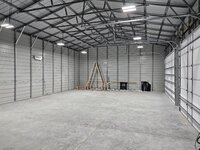
I have a new machine-troweled slab (6 months old) in a shop I plan on using for automotive hobby work, main concern is protecting the floor from stains. Going with a sealer instead of a topical coating seems to be the best bet for me, I do plan on doing metal work and dragging things across the concrete.

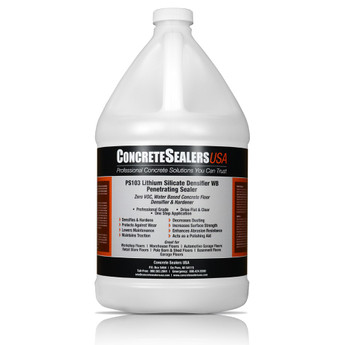
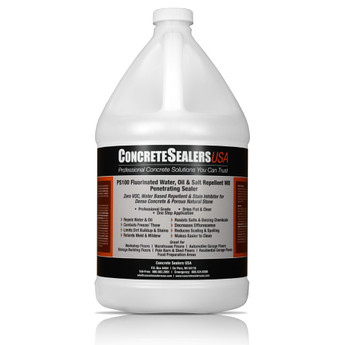
I'm currently looking at the Concrete Sealers PS100 and trying to work out what all the steps are. May consider laying down their PS103 Densifier first.


Interior.jpg
 
To avoid these ads, REGISTER NOW!

DaChev

Well-known member
Joined
Dec 10, 2015
Messages
64
These do a pretty good job at keeping the water from penetrating the concrete. They will not stop a drop of oil. If you part something that drips one drop of oil and you do not wipe it up immediately, it will soak in and be permanent.

Long term, these are only for use the actual application. These are "super" densifiers, not sealers. Use them for that. Unless you run a garage at a junk yard where the looks of the concrete do not matter, this will not do the job.
 

Shea

Well-known member
Joined
Sep 19, 2012
Messages
2,868
Location
California
I'm looking at using a penetrating sealer for my shop floor, I just wanted to hear some feedback from anyone who's gone down this path and how it worked out for you so far.

Any tips or tricks you learned during the application? Have you had to touch it up or re-apply at all, what happened that broke through the protection? Wondering how the resistance is to things like brake cleaner, can't seem to find a straight answer on that.

I have a new machine-troweled slab (6 months old) in a shop I plan on using for automotive hobby work, main concern is protecting the floor from stains. Going with a sealer instead of a topical coating seems to be the best bet for me, I do plan on doing metal work and dragging things across the concrete.

I'm currently looking at the Concrete Sealers PS100 and trying to work out what all the steps are. May consider laying down their PS103 Densifier first.


The PS103 and PS100 combo provides excellent protection. Applying the PS103 will make the surface harder, which is what you want if you are dragging metal and other objects across the surface. It will also allow the PS100 to work even better since less sealer is absorbed by the concrete due to it being more dense.

Something you need to understand is that penetrating sealers and densifiers are non-film-forming. This means that water, liquids, and oil can get through at some point. The job of these products is to provide enough time for proper cleanup of a spill. There is no guarantee that you won't get the occasional stain, but it will be far less than what you would expect from a densifier treatment alone. Brake Cleaner usually won't have much of an effect since it evaporates so quickly.

I'm not sure what the first responder (DeChev) is referring to regarding "Super" densifiers. PS100 is not a densifier. It's an oleophobic penetrating sealer. It incorporates fluoronated material to repel oil, water, and salt. Standard penetrating sealers will not repel oil.

There are a few members here who have reported their results with oil-repelling sealers and seem quite satisfied overall. Hopefully, someone will see your question and report in. The problem is that a lot of folks come here for information, post what they did, and then don't return. It's simply because they found the info they were looking for and didn't have a reason to come back.
 

DaChev

Well-known member
Joined
Dec 10, 2015
Messages
64
Something you need to understand is that penetrating sealers and densifiers are non-film-forming. This means that water, liquids, and oil can get through at some point. The job of these products is to provide enough time for proper cleanup of a spill. There is no guarantee that you won't get the occasional stain, but it will be far less than what you would expect from a densifier treatment alone. Brake Cleaner usually won't have much of an effect since it evaporates so quickly.

This is the caveat that all of these suppliers give. In a perfect world they prevent the concrete from absorbing the oil (they do not). Any oil that drips into the porus surface goes into all those tiny little caverns in the concrete and you cannot get the oil back out. It is now a stain.

Just don't park any vehicle that drips any amount of oil overnight, or you will end up with a permanent stain.

Or, you could bird dog your floor to watch for drips....... but then again, why did you put a sealer down that cannot protect you from oil stains?

I am redoing my floor right now. I had a penetrating densifier and penetrating sealer. Do it right, or do it again.
 

brokencamel

Member
Joined
May 28, 2024
Messages
7
Would it be recommended to do a densifier on a driveway and concrete patio as well? Is there any real benefit to that or not worth the money?

How about a sealer?

I'm having a 2000sqft driveway being poured this week so just thinking about whether I should do anything to it after its done.
 

DaChev

Well-known member
Joined
Dec 10, 2015
Messages
64
I actually really think that these products are very well suited for driveways. They will prevent mold growth so less power washing and the densifier will help the concrete hold up to the power washing better.

They require more product for complete coverage due to the rough pattern of the brushed concrete.

I treated my new driveway connecting my shop with the densifier/sealer combo and I am very happy with that usage. I plan on doing more, but when my house was built concrete was cheap. I probably have a total of 10,000 sq ft of concrete around the house.
 
To avoid these ads, REGISTER NOW!

Kozmic

Active member
Joined
Feb 15, 2017
Messages
31
I recently did the PS103 PS100 combo on a new shop. It's been down about a month. I can pour cutting oil on the floor and it beads up. You can wipe it right up. But I haven't done a long term test, I should do it in a spot I'm going to cover.
 

EOT 4 Life

Well-known member
Joined
Apr 19, 2015
Messages
78
Location
N.Y.
Not sure if this can help you, but I had a similar situation to yours, but it was for an outdoor walkway. I used Legacy products to seal the concrete:
 
OP
C

crooney1189

Active member
Joined
Sep 27, 2017
Messages
36
Location
Hernando, FL
The PS103 and PS100 combo provides excellent protection. Applying the PS103 will make the surface harder, which is what you want if you are dragging metal and other objects across the surface. It will also allow the PS100 to work even better since less sealer is absorbed by the concrete due to it being more dense.

Something you need to understand is that penetrating sealers and densifiers are non-film-forming. This means that water, liquids, and oil can get through at some point. The job of these products is to provide enough time for proper cleanup of a spill. There is no guarantee that you won't get the occasional stain, but it will be far less than what you would expect from a densifier treatment alone. Brake Cleaner usually won't have much of an effect since it evaporates so quickly.

I'm not sure what the first responder (DeChev) is referring to regarding "Super" densifiers. PS100 is not a densifier. It's an oleophobic penetrating sealer. It incorporates fluoronated material to repel oil, water, and salt. Standard penetrating sealers will not repel oil.

There are a few members here who have reported their results with oil-repelling sealers and seem quite satisfied overall. Hopefully, someone will see your question and report in. The problem is that a lot of folks come here for information, post what they did, and then don't return. It's simply because they found the info they were looking for and didn't have a reason to come back.
Thanks for the response Shea. I do understand what you're saying about the penetrating sealers vs film top-coats. I believe the penetrating sealers do suit my use and needs better, just trying to dig a little deeper in my research. And I've noticed that there is a frequent lack of follow-up on solutions, and I do get it, I've been guilty of it on forums myself too. As I get my shop built I plan to go back and report back on what worked, what I'd do different, etc.

I know the penetrating sealers give you more time to clean up a mess, but roughly how long are we talking... 20 minutes?... 2 days?... 2 weeks?... The fact that the PS100 is seemingly more oil-resistant than some of the other sealers is appealing.

If I have to touch up an area that's been sealed once, is it as easy as cleaning and reapplying that area?
Talk to Scotty at Legacy, he will tell you exactly what you need to do for your situation:
I'll reach out to see what their offerings are and how they compare, thanks.
I actually really think that these products are very well suited for driveways. They will prevent mold growth so less power washing and the densifier will help the concrete hold up to the power washing better.

They require more product for complete coverage due to the rough pattern of the brushed concrete.

I treated my new driveway connecting my shop with the densifier/sealer combo and I am very happy with that usage. I plan on doing more, but when my house was built concrete was cheap. I probably have a total of 10,000 sq ft of concrete around the house.
That's good to hear about the usage in that application. I have a similar exterior condition that I was trying to figure out separate of the shop. Right next to it I have a carport with a brushed concrete floor poured at the same time that I'll be looking to protect as well. It has open sides so it'll be exposed to the elements, and it's being used as a hangout area. Main issue will be food and grease spills, as I'll have a grilling/smoking area in that space.
This is the caveat that all of these suppliers give. In a perfect world they prevent the concrete from absorbing the oil (they do not). Any oil that drips into the porus surface goes into all those tiny little caverns in the concrete and you cannot get the oil back out. It is now a stain.

Just don't park any vehicle that drips any amount of oil overnight, or you will end up with a permanent stain.

Or, you could bird dog your floor to watch for drips....... but then again, why did you put a sealer down that cannot protect you from oil stains?

I am redoing my floor right now. I had a penetrating densifier and penetrating sealer. Do it right, or do it again.
What type of work do you do in your garage? By doing it again are you saying you're going with a topical coating this time? My concern with that route is the amount of welding, dragging metal etc. that will happen over time. Not sure how durable those topical coatings truly are, or how easy they are to damage.
I recently did the PS103 PS100 combo on a new shop. It's been down about a month. I can pour cutting oil on the floor and it beads up. You can wipe it right up. But I haven't done a long term test, I should do it in a spot I'm going to cover.
Do you have any tips or tricks you learned during the application?
 

Shea

Well-known member
Joined
Sep 19, 2012
Messages
2,868
Location
California
I know the penetrating sealers give you more time to clean up a mess, but roughly how long are we talking... 20 minutes?... 2 days?... 2 weeks?... The fact that the PS100 is seemingly more oil-resistant than some of the other sealers is appealing.

If I have to touch up an area that's been sealed once, is it as easy as cleaning and reapplying that area?

How much time you are allowed before cleaning a mess is dependent upon many factors. The finish and initial porosity of the concrete surface, whether or not enough sealer was applied initially (some people stretch applications to save money), the type of spill, etc. It's a good question, but one that can't be answered properly due to all the variables. The testing performed in our article was over a 24-hour period.

If a liquid known to stain concrete sits for more than a day or two, chances are you will have some sort of residual stain remaining once it is cleaned. Some people have reported spills sitting longer without issue, while others with more porous concrete reported stains occurring when sitting for a shorter time than that.
 

dcg9381

Well-known member
Joined
Jun 20, 2018
Messages
11,927
Location
Austin, TX
How about a sealer?

I'm having a 2000sqft driveway being poured this week so just thinking about whether I should do anything to it after its done.
I seal my drive and walkways with HD-6600-mma. It forms a film that is a bit like plastic. I'm in a very high UV area and no issues with yellowing, etc.

When the UPS truck drops oil on my drive, I walk out there with a paper towel and remove it. Absolutely no stain. Not a single stain on my driveway.

Bad news? Needs a new coat every 2 years. It's also very slick when wet.
 

DaChev

Well-known member
Joined
Dec 10, 2015
Messages
64
That's good to hear about the usage in that application. I have a similar exterior condition that I was trying to figure out separate of the shop. Right next to it I have a carport with a brushed concrete floor poured at the same time that I'll be looking to protect as well. It has open sides so it'll be exposed to the elements, and it's being used as a hangout area. Main issue will be food and grease spills, as I'll have a grilling/smoking area in that space.

What type of work do you do in your garage? By doing it again are you saying you're going with a topical coating this time? My concern with that route is the amount of welding, dragging metal etc. that will happen over time. Not sure how durable those topical coatings truly are, or how easy they are to damage.

Grease spills on the outdoor concrete are the same problem. If you leave some drippings on the ground overnight...... permanent.

I see that there are some comments insinuating that my application, or surface might be "less than optimal". I applied sealer till rejection. Meaning that I still have white stains where the sealer created a barrier to more sealer penetrating. My slab is very smooth power troweled. It just does not get better than my contractors did.

At first water, oil, anything beaded. It is almost 3 years old now and water does not bead and if an oil drop sits overnight, BAM! permanent stain.

I do metal fab and auto work in my shop. I told myself that I needed something to protect against welding and sparks flying. Here is the truth that the dealers are not telling you: You can control where sparks go. You will miss a grease drop. End of story. Oil drips from cars that you thought didn't leave oil drops. On your perfect slab, you will see them.

The other thing that they are not telling you is that if you go with a penetrating sealer, then change your mind you must grind the concrete. While the sealer cannot seem to reject oil, it will fisheye a new coating. Thankfully, I sealed my slab before the building went up and right now, I am scheduling my spray foam. I will have my shop empty one more time before it is a fully lived in shop. I DO NOT WANT TO EMPTY IT EVER AGAIN. Until I move.

I am currently grinding and polishing my concrete. I am hoping that the few oil stains that I have might be reduced by this step. The penetrating densifier and sealer that I used will get completely removed because while they call it penetrating......... apparently it only goes a few thousandths deep. After I get done with the 200 grit, I will be reapplying densifier and going after it with 400 grit. Then I will be putting on COVAL Concrete in satin. I had to go to 515 concrete supply to find the satin. Who knows why Armorpoxy or one of the other suppliers do not stock the satin online.


I was very hesitant to put down a coating because chipped epoxy looks like trash to me. The best part of Coval Concrete and similar coatings is that you can just wipe it down with Acetone and apply another coat if you wear down a spot. Also, after speaking with the COVAL rep it might have stuck to the penetrating densifier and sealer that I have on there. I do not want to take a chance, but it has the greatest chance of sticking and is easy to repair. Win-Win.
 
To avoid these ads, REGISTER NOW!
Top Bottom