
You are using an out of date browser. It may not display this or other websites correctly.
You should upgrade or use an alternative browser.
You should upgrade or use an alternative browser.
conversion to led
- Thread starter snapmom
- Start date
Charles (in GA)
Well-known member
If the socket is limited to a 40 watt incandescent, then your limit is 40 ACTUAL watts. Forget the equivalent ****, look at the actual watt rating of the LED bulb (NOT what it is equivalent to), it probably is only 10 or 15 ACTUAL watts, and will be just fine.
Charles
Charles
Dustball
Well-known member
I agree- a 60 watt LED is not a residential bulb and very expensive. A 60-watt equivalent LED bulb is actually around 11 watts. The better way to shop for LED bulbs is by lumens and a 11 watt LED bulb is generally around 800 lumens which is around what an incandescent 60 watt bulb puts out.
Highbeam
Well-known member
I love those LED bulbs. 9-10 watts gives at least as much light as a 60 watt incandescent and otherwise acts the same. CFLs are now obsolete.
As the others pointed out, your LED bulb is not a 60 watt LED, it is a 10 watt LED that makes as much light as 60 watts of incandescent.
As the others pointed out, your LED bulb is not a 60 watt LED, it is a 10 watt LED that makes as much light as 60 watts of incandescent.
2ManyProjects
Well-known member
- Joined
- Jul 18, 2013
- Messages
- 757
If the socket is limited to a 40 watt incandescent, then your limit is 40 ACTUAL watts. Forget the equivalent ****, look at the actual watt rating of the LED bulb (NOT what it is equivalent to), it probably is only 10 or 15 ACTUAL watts, and will be just fine.
I agree- a 60 watt LED is not a residential bulb and very expensive. A 60-watt equivalent LED bulb is actually around 11 watts. The better way to shop for LED bulbs is by lumens and a 11 watt LED bulb is generally around 800 lumens which is around what an incandescent 60 watt bulb puts out.
As the others pointed out, your LED bulb is not a 60 watt LED, it is a 10 watt LED that makes as much light as 60 watts of incandescent.
Agreed in principle; but you still have to be careful. For example, I recently picked up a couple of these:
http://www.lowes.com/pd_352725-47842-17783-003_0__?productId=3394398
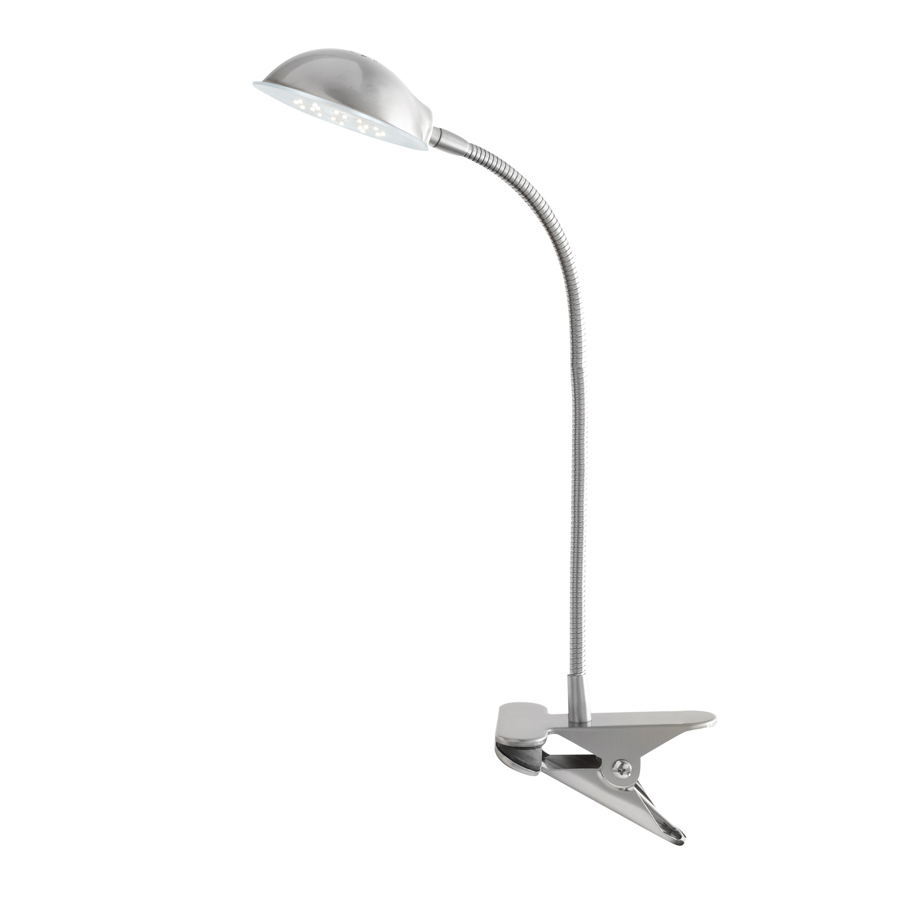
to use on my new home-brew computer workstation/desk (the upper portion of which is made from commercial wire shelving modules). As you'll note from the "Specifications" tab, the "Maximum Bulb Wattage (Watts)" is listed as "1.47". But it turns out that, per the packaging, it's really 1.44W per LED, and there are 24 LEDs in each lamp. So total power consumption for both lamps is almost 70 watts.
Dustball
Well-known member
Sorry but there's no way that is a 35 watt LED lamp. 1.44 watts total sounds about right.Agreed in principle; but you still have to be careful. For example, I recently picked up a couple of these:
http://www.lowes.com/pd_352725-47842-17783-003_0__?productId=3394398
to use on my new home-brew computer workstation/desk (the upper portion of which is made from commercial wire shelving modules). As you'll note from the "Specifications" tab, the "Maximum Bulb Wattage (Watts)" is listed as "1.47". But it turns out that, per the packaging, it's really 1.44W per LED, and there are 24 LEDs in each lamp. So total power consumption for both lamps is almost 70 watts.
I have an LED undercabinet strip light with 55 bulbs and it is 2.8 watts according to my kill-a-watt meter.
Last edited:
2ManyProjects
Well-known member
- Joined
- Jul 18, 2013
- Messages
- 757
Sorry but there's no way that is a 35 watt LED lamp.
I'm reasonably confident that it is -- particularly when you consider the amount of heat these things throw off, which is significant.
1.44 watts total sounds about right.
No way.
Remember, this is a relatively inexpensive mass-produced retail product. As such, it is not reasonable to expect extraordinary efficiency. To put it another way, it's plainly obvious that the thing is rather cheaply made -- which is OK, given its purpose and selling price, but nonetheless a fact which must be kept in mind. As such, given the "typical" efficiencies of inexpensive white LEDs (which are well under 100 lumens/watt, typically more like half that), 1.44 watts would not produce enough light to be useful. OTOH, 24 * 1.44W does.
Another bit of corroborating (if admittedly anecdotal) evidence...
While deciding which lamps I wanted for this application, I also tried out a couple of these:
http://www.lowes.com/ProductDisplay?partNumber=61726-47842-17346-004
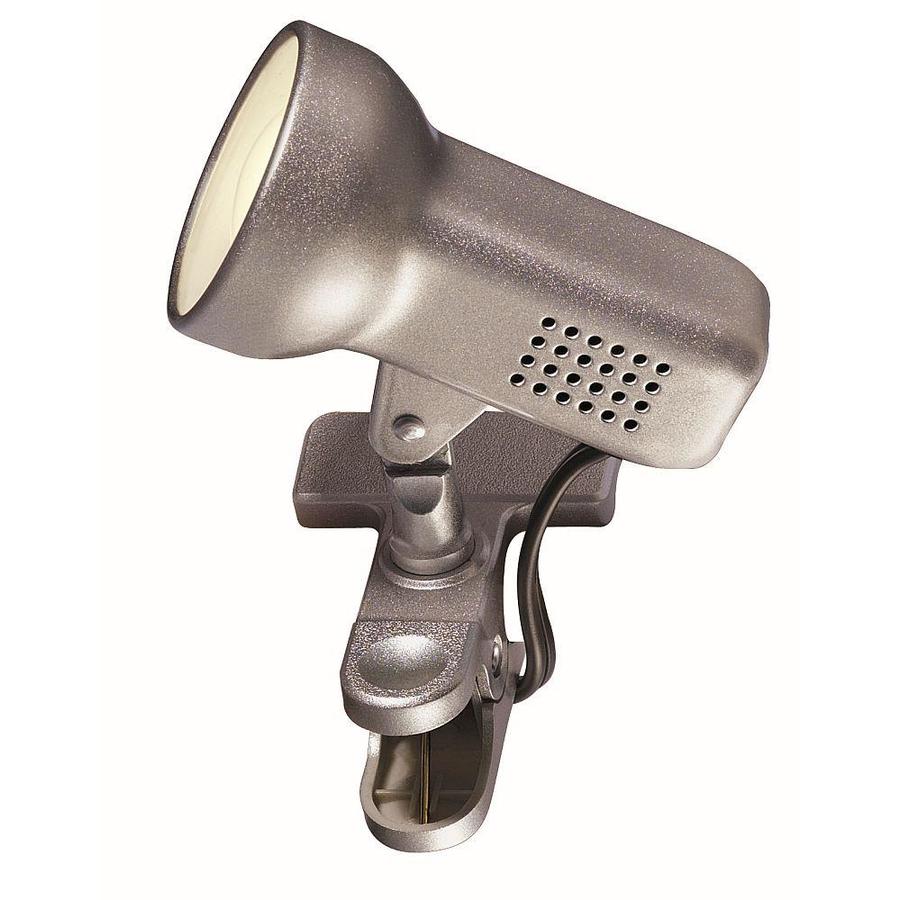
each of which use a 25-watt R14 incandescent bulb, similar to:
http://www.1000bulbs.com/product/655/FL-100655S.html
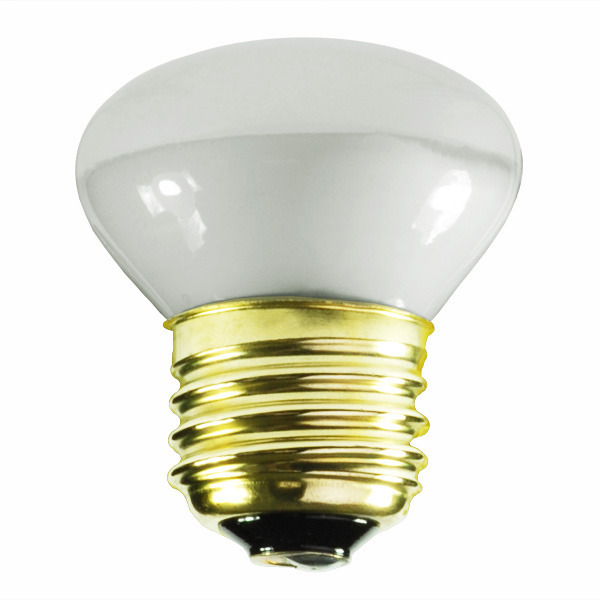
which, you will note, is rated at 180 lumens.
I had an opportunity to compare the two different lamps directly, in the same (actually, "mirror-imaged" on each side of the workstation system) locations. The LED-based model was, hands down, MUCH brighter -- not even close, night and day, etc. and so on. It was literally producing SEVERAL times the output of the R14 bulb. Obviously, I had no test equipment to bring to bear; but if I had to throw a dart based on the relative increase over that "180 lumen" R14, I'd estimate it at perhaps 500-800 lumens, possibly more -- and there is simply no way ANY current-production LED(s) (even very expensive ones, which these certainly aren't) can produce THAT much white light from 1.44 watts.
FWIW, I too find the total specified power consumption on this lamp a little surprising. At even 50 lumens/watt, 34.5 watts should produce noticeably more light than the already-bright levels I'm seeing. Again, purely as a subjective guess, something around 15-20 watts would seem more "reasonable"; but I suppose the rest of it is going up in heat.
I have an LED undercabinet strip light with 55 bulbs and it is 2.8 watts according to my kill-a-watt meter.
I would be more than a little suspicious of the accuracy of your "Kill-A-Watt" in that application, given the very low and VERY non-linear load. But that said, anything is possible. There is a HUGE range of raw LED designs out there, each with different output levels and power consumption curves. And while 50mW each is definitely on the small side, by current standards, it's hardly out of the range of possibilities.
Dustball
Well-known member
I'm reasonably confident that it is -- particularly when you consider the amount of heat these things throw off, which is significant.
No way.
Remember, this is a relatively inexpensive mass-produced retail product. As such, it is not reasonable to expect extraordinary efficiency. To put it another way, it's plainly obvious that the thing is rather cheaply made -- which is OK, given its purpose and selling price, but nonetheless a fact which must be kept in mind. As such, given the "typical" efficiencies of inexpensive white LEDs (which are well under 100 lumens/watt, typically more like half that), 1.44 watts would not produce enough light to be useful. OTOH, 24 * 1.44W does.
Another bit of corroborating (if admittedly anecdotal) evidence...
While deciding which lamps I wanted for this application, I also tried out a couple of these:
each of which use a 25-watt R14 incandescent bulb, similar to:
which, you will note, is rated at 180 lumens.
I had an opportunity to compare the two different lamps directly, in the same (actually, "mirror-imaged" on each side of the workstation system) locations. The LED-based model was, hands down, MUCH brighter -- not even close, night and day, etc. and so on. It was literally producing SEVERAL times the output of the R14 bulb. Obviously, I had no test equipment to bring to bear; but if I had to throw a dart based on the relative increase over that "180 lumen" R14, I'd estimate it at perhaps 500-800 lumens, possibly more -- and there is simply no way ANY current-production LED(s) (even very expensive ones, which these certainly aren't) can produce THAT much white light from 1.44 watts.
FWIW, I too find the total specified power consumption on this lamp a little surprising. At even 50 lumens/watt, 34.5 watts should produce noticeably more light than the already-bright levels I'm seeing. Again, purely as a subjective guess, something around 15-20 watts would seem more "reasonable"; but I suppose the rest of it is going up in heat.
I would be more than a little suspicious of the accuracy of your "Kill-A-Watt" in that application, given the very low and VERY non-linear load. But that said, anything is possible. There is a HUGE range of raw LED designs out there, each with different output levels and power consumption curves. And while 50mW each is definitely on the small side, by current standards, it's hardly out of the range of possibilities.
This is from a review on the Lowes site of the lamp in question-
I know most folks won't find this particular feature that useful but I use this lamp on my sailboat and it is simply outstanding. I did have to modify the lamp by eliminating the 110 VAC transformer. I plug the lamp directly into 12 VDC and it works like a charm. Pulls very low amps (about .25 amps at 12 VDC) and is bright as heck.
.25 amps at 12VDC is 3 watts. I see that my local Lowes carries the same lamp. I may buy one for myself and see just exactly what it draws. I could use one of those lamps anyways.