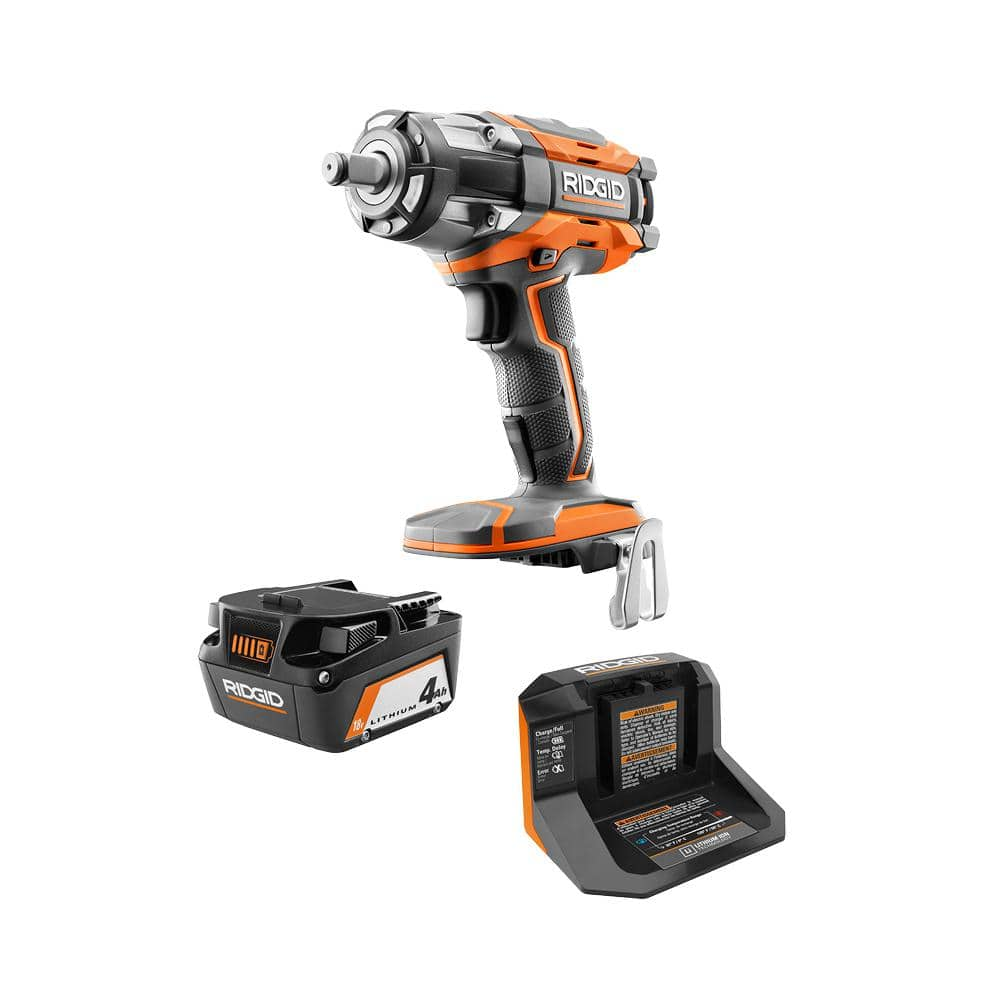
One day I'd like to use a torque wrench and see what each power setting roughly translates to in terms of torque, but until then its not really any more useful than 3 settings. I wouldn't be able to tell the difference between setting 8 and 9 unless I took a torque wrench to the bolt afterwards.
You won't really get meaningful results. The nature of an impact wrench is imprecise. That means the final torque that you achieve depends on a ton of factors including the size of the socket (deep, mid, shallow, nano), any extensions, the exact mass of those components (some are thicker, others are thinner - think lug nut sockets), the size of the fastener, lubrication, the thread pitch, even whether you're tightening a nut to a stud or a bolt into threads.
I think you could probably get pretty repeatable results assuming you keep everything the same except for the power setting, but the moment you change any of those variables the torque values you can achieve will change. You can try to establish a range but I think you'll find that range ends up being big enough that its quite meaningless.
For example if you look at Milwaukee's range of high torque impact wrenches, they are all powered by the same battery system and have nearly identical internals yet some are rated for 700ftlb fastening torque while others claim 1200ftlbs. This is all within the same brand, same product line, same tool essentially with the differences largely being things like the size of the anvil, detent vs friction ring, external vs internal anvil and so forth. Nut busting torque likewise ranges from 1000ftlbs to 1500ftlbs. So even if the tools are highly repeatable which Milwaukee's generally are, that repeatability only applies to that specific set of variables and your final values can change +/-50% based off just tiny changes to the anvil design. Now imagine what your extensions or deep vs shallow sockets are doing, or even a 16mm socket vs a 24mm socket or fine vs coarse thread. Heck that's pretty much my biggest argument against using chrome sockets on impacts. Sure they can shatter but its pretty rare. The bigger issue is that they essentially act like really ****** torque sticks due to how much they'll flex.