To avoid these ads, REGISTER NOW!

Do you torque electrical connections?

Do you torque electrical connections?


  • Total voters
    17

Shadowdog500

Well-known member
Joined
Dec 7, 2009
Messages
9,866
Location
Down the shore
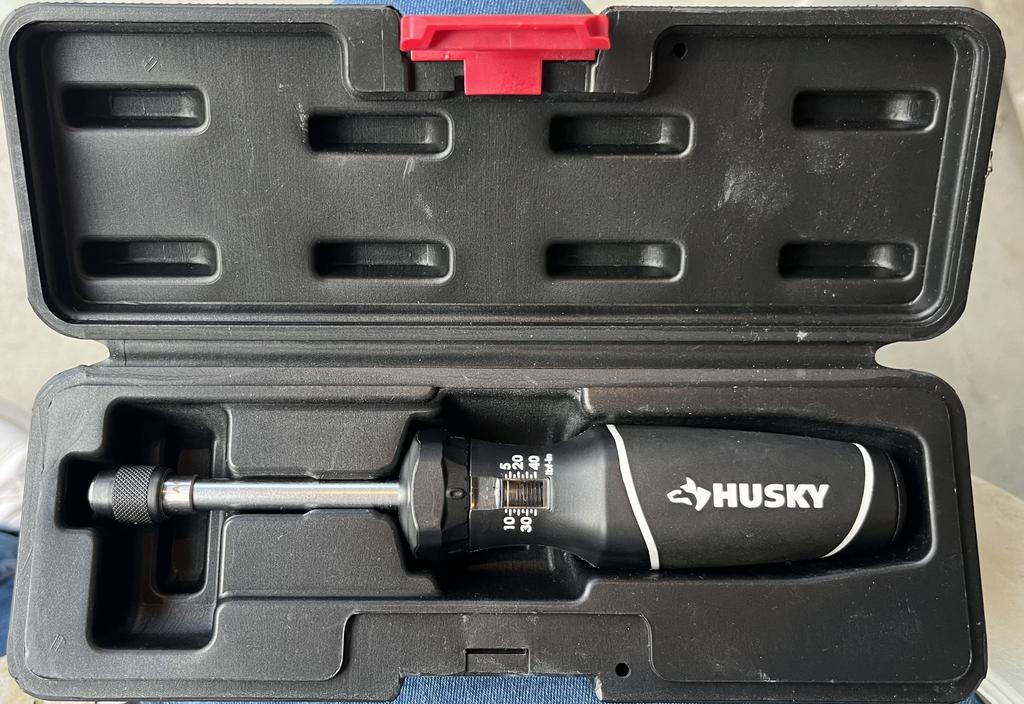
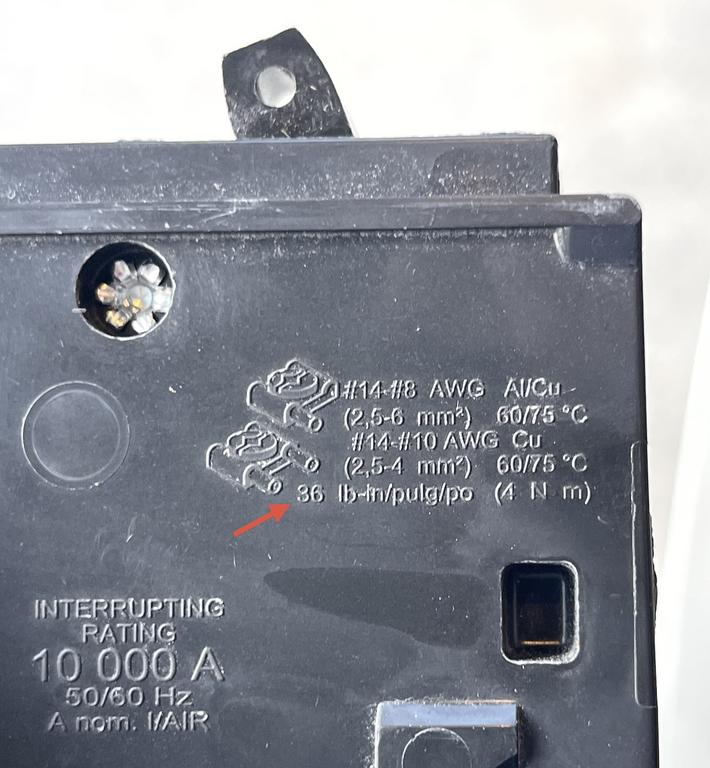
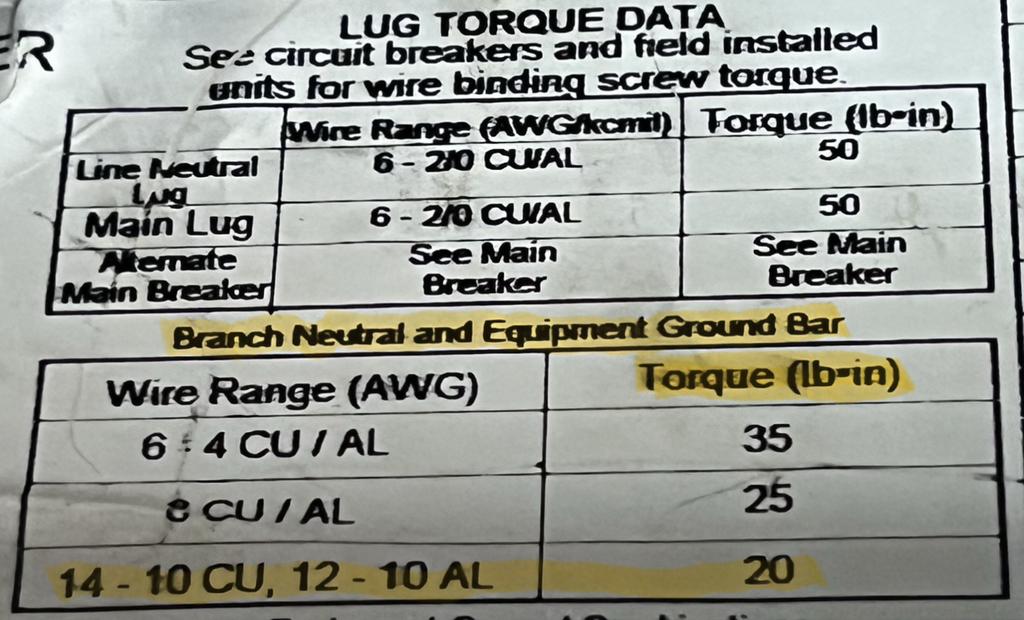
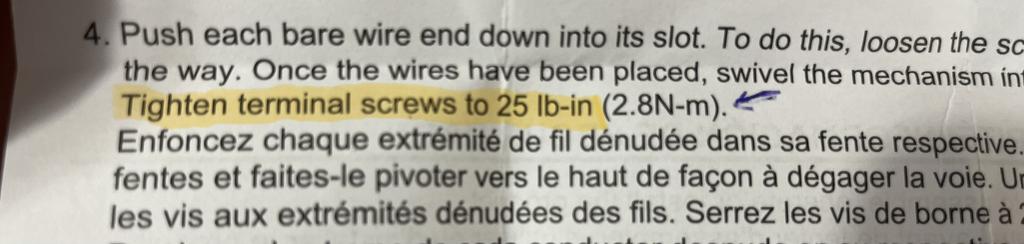
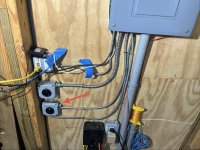
I’m wiring a new 30A RV outlet and am using the torque specs for the box, the breaker, and the outlet. I even confirmed my 8-40 in-lb torque screwdriver was accurate against my two Sturtevant Richmond lab grade torque wrenches. All three matched.

I’ve never bother if replacing an 15 amp outlet, but I will torque connections for 30 and 50A circuits. The question is if you torque electrical connections.
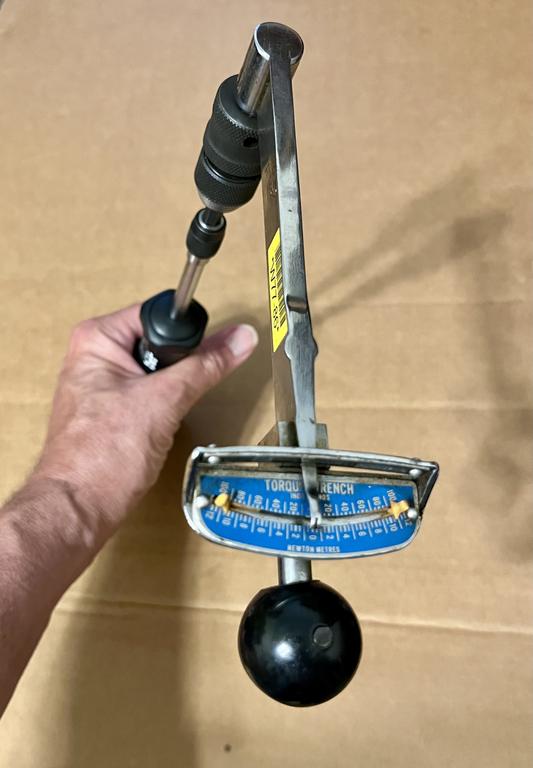
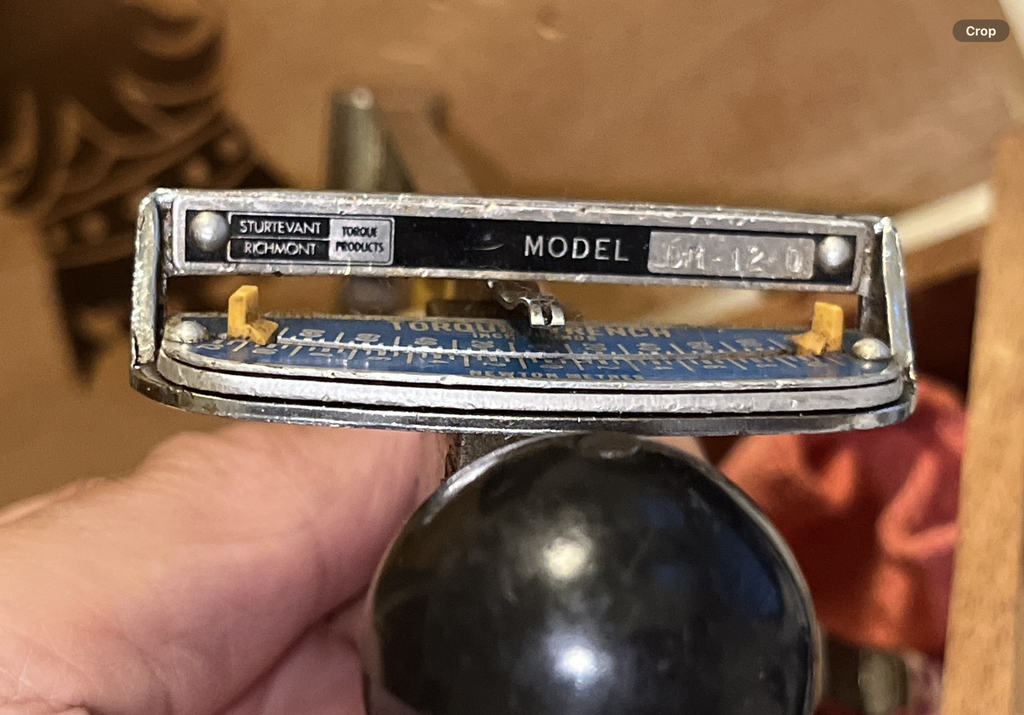
IMG-6459.jpg

IMG-2101.png

IMG-6413.jpg

IMG-6410.jpg

IMG-2043.jpg

IMG-6446.jpg
 
Last edited:
To avoid these ads, REGISTER NOW!

bob smith1

Member
Joined
Jul 2, 2026
Messages
22
You are NEVER wrong to torque to spec. However, plenty of idiots out there can still screw this up. I was recently in an industrial "dropped a phase" inspection. Morons drove the lug screws down on the wire insulation!

As far as smaller devices, this is just where experience comes in. I'm not kidding that skilled mechanical types can get very close to spec by feel! I know what 18-20lb-ft feels like.

But here is the thing, if the threads are binding, lubed, etc, this can change the actual axial compression force relative to the torsional force.
I will say, when observing other electrons, I watch for the TW to come out. It's something good to see, but sometimes means it's rookie day. Go see if a lineman ever breaks out a TW! lol They go with the "guudentight" spec.
 

micromind

Well-known member
Joined
Sep 24, 2023
Messages
3,071
Location
Fernley, Nevada, about 30 miles east of Reno.
In 31 years as a commercial/industrial electrician, I have yet to use a torque wrench on any electrical termination.

Some were pretty good-size, like 1500MCM and some were 120,000 volts. Never had a problem with any of them.

I question manufacturers torque values, I remember a GE 2,000 amp 480 volt switchgear that came in several sections and after it was set, I installed the factory supplied bus splice plates using the factory supplied bolts and nuts.

A splice plate is simply a short section of electrical bus that's bolted to the ends of the bus that's factory installed in the cabinet. They are subject to the same amps that the regular busses have.

The torque specs called for 25 ft. lbs. for 1/2-13 grade 5 bolts with Belleville washers (cupped washers) and basic standard hex nuts. When I was done laughing, I tightened them about the same as I always do. And no, the washers were not flattened.......

That was about 20 years ago, I have worked at that plant occasionally ever since. There's roughly 400 to 1300 amps on that gear.........no problems at all.

Had I gone with 25 ft. lbs. I'd bet just about anything that the splices would have burned up by now.
 

rlitman

Well-known member
Joined
Oct 18, 2010
Messages
24,629
Location
Long Island
...The torque specs called for 25 ft. lbs. for 1/2-13 grade 5 bolts with Belleville washers (cupped washers) and basic standard hex nuts. When I was done laughing, I tightened them about the same as I always do. And no, the washers were not flattened.......
25 ft-lbs for 1/2-13? Off the top of my head, that's correct for a lubricated thread, but 40 ft-lbs is what it should have stated for dry. Anyway, Belleville washers give you a whole lot of wiggle room, so I suspect you still might have been fine if they were double bolted connections, but single bolted, maybe not. Still, on a copper bus high clamp load on a steel bolt can easily lead to plastic deformation and eventual failure. So keep in mind that after the copper cold flows, you may end up with the same clamp load under the washer as 25 ft-lbs would have gotten you in the first place. Silicon bronze bolts eliminate that issue.
 

bob smith1

Member
Joined
Jul 2, 2026
Messages
22
In 31 years as a commercial/industrial electrician, I have yet to use a torque wrench on any electrical termination.

Some were pretty good-size, like 1500MCM and some were 120,000 volts. Never had a problem with any of them.

I question manufacturers torque values, I remember a GE 2,000 amp 480 volt switchgear that came in several sections and after it was set, I installed the factory supplied bus splice plates using the factory supplied bolts and nuts.

A splice plate is simply a short section of electrical bus that's bolted to the ends of the bus that's factory installed in the cabinet. They are subject to the same amps that the regular busses have.

The torque specs called for 25 ft. lbs. for 1/2-13 grade 5 bolts with Belleville washers (cupped washers) and basic standard hex nuts. When I was done laughing, I tightened them about the same as I always do. And no, the washers were not flattened.......

That was about 20 years ago, I have worked at that plant occasionally ever since. There's roughly 400 to 1300 amps on that gear.........no problems at all.

Had I gone with 25 ft. lbs. I'd bet just about anything that the splices would have burned up by now.
120kv is big boy stuff. I recall running the math on a similar bus bar mod. Ran the math on the hardware kit to realize the bolts would yield before bellevilles would collapse. I was the overseeing M.E. and it got tense because apparently the OEM or support staff can't do math, and my bosses just wanted to install what was supplied for liability reasons. The equipment owners saved my ***, I spec'd different washers, sent the grunt after them, and I ended up writing this up. Them the OEM had the gull to contact and ask what I came up with. They received white noise.

Just another, similar story. Don't trust everything you read. I've also seen countless Aluminum conductors totally cut in two in lugs..... "but, but, I torqued to spec".....
 
To avoid these ads, REGISTER NOW!

alfredeneuman

Well-known member
Joined
Mar 3, 2011
Messages
4,583
Location
Fullerton, CA
I just generally torque anything #4 or larger.
Sometimes the inspection dept. ask for "Torque letter" and you'd have to torque every connection in the panel. One inspector with way too much time on his hands even told me not land the wiring to the branch breakers, then watched me while a terminated them.
 

bob smith1

Member
Joined
Jul 2, 2026
Messages
22
I just generally torque anything #4 or larger.
Sometimes the inspection dept. ask for "Torque letter" and you'd have to torque every connection in the panel. One inspector with way too much time on his hands even told me not land the wiring to the branch breakers, then watched me while a terminated them.
Oh, I see you are in CA.....that answers a few things. I'd ask them where you can send the bill. It's an inspection, not a field test. I have seen inspectors pull on wires, and that is reasonable. I think that is the right amount of pucker for electrons. If one pulls out, you are F'd!
 

Chuckster in NJ

Well-known member
Joined
Jan 26, 2010
Messages
2,311
Location
Hunterdon County NJ
I just generally torque anything #4 or larger.
Sometimes the inspection dept. ask for "Torque letter" and you'd have to torque every connection in the panel. One inspector with way too much time on his hands even told me not land the wiring to the branch breakers, then watched me while a terminated them.
On large jobs with services greater than 400 Amps I had a "generic" letter that the contractor would sign and seal that all terminations were properly torqued and put it in the job file………. NEVER did I want to witness anyone using a torque wrench because I would never get any work done.
 

LXCam

ALLIANCE MEMBER
Joined
Apr 23, 2013
Messages
19,166
Location
AZ
In 31 years as a commercial/industrial electrician, I have yet to use a torque wrench on any electrical termination.

Some were pretty good-size, like 1500MCM and some were 120,000 volts. Never had a problem with any of them.

I question manufacturers torque values, I remember a GE 2,000 amp 480 volt switchgear that came in several sections and after it was set, I installed the factory supplied bus splice plates using the factory supplied bolts and nuts.

A splice plate is simply a short section of electrical bus that's bolted to the ends of the bus that's factory installed in the cabinet. They are subject to the same amps that the regular busses have.

The torque specs called for 25 ft. lbs. for 1/2-13 grade 5 bolts with Belleville washers (cupped washers) and basic standard hex nuts. When I was done laughing, I tightened them about the same as I always do. And no, the washers were not flattened.......

That was about 20 years ago, I have worked at that plant occasionally ever since. There's roughly 400 to 1300 amps on that gear.........no problems at all.

Had I gone with 25 ft. lbs. I'd bet just about anything that the splices would have burned up by now.
I’m with you micro.
 

Junkman

Well-known member
Joined
Dec 18, 2006
Messages
6,635
Location
Northeastern CT
I am not an electrician, but as the homeowner in CT, I have the privilege of installing my new 200-amp service. I have a young fellow helping with the install, and he is a licensed electrician. He told me that the cables entering the main panel had to be torqued to 40 foot-pounds. Since the bolt was steel and the wire holder is aluminum, I didn't want to strip the threads. I took it to 35 foot-pounds and stopped because of my experience with a torque wrench on engines; I had a bad feeling that if I tried to go to 40 foot-pounds, the screw was going to strip out. The last time I did an install was 40+ years ago in our current home, and there were no instructions on how tight it had to be. I used an Allen key and tightened it to what I thought was the correct setting. Forty-plus years later, no problems that I am aware of, so it must be tight enough. I could turn the power off, and check it with my torque wrench, but I believe in letting sleeping dogs lie.
 
To avoid these ads, REGISTER NOW!
Top Bottom