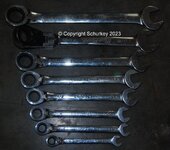
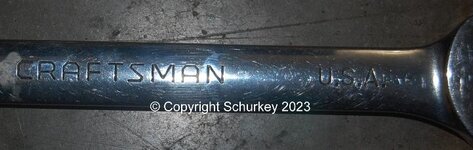
In the US, for imported goods, country of origin is where the last substantial transformation occurred. Take a bunch of chinese parts, ship them to Italy, put them together, and you can slap a made in Italy sticker on it. You can also label things more specifically ("made in China of Italian silk"), if that suits you. For US goods, sold in the US, Made in USA means it's substantially all american made. So a made in USA wrench needs to be made of american made steel. If that's not true, you get to made in USA with global materials (meaning real work is happening, but a substantial enough fraction of the material comes from overseas) and assembled in USA from global materials, meaning the "made in Italy" case. (For some things, you're allowed to say "Made in USA from Italian silk", if that's true, and you think it's a selling point.) For export, US law allows most of those to be labeled "made in USA", depending on the rules of the destination.
Outside of the US, who knows.
Where it was made.
Thanks for that. I looked up your regulations as well and they are, for the most part, the same as ours.
Labelling gets complicated when parts and ingredients come from different places. Cost of production matters so outsourcing will continue until the standard of living is the same across the world (no time soon). On the bright side, design doe not have to be outsourced and the machinery used in manufacturing is usually top notch.
We need better quality control.
Jack