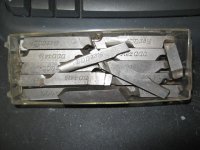
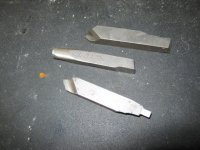
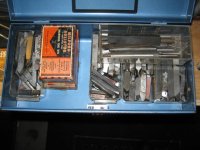
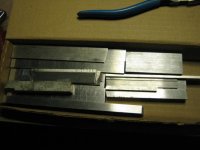
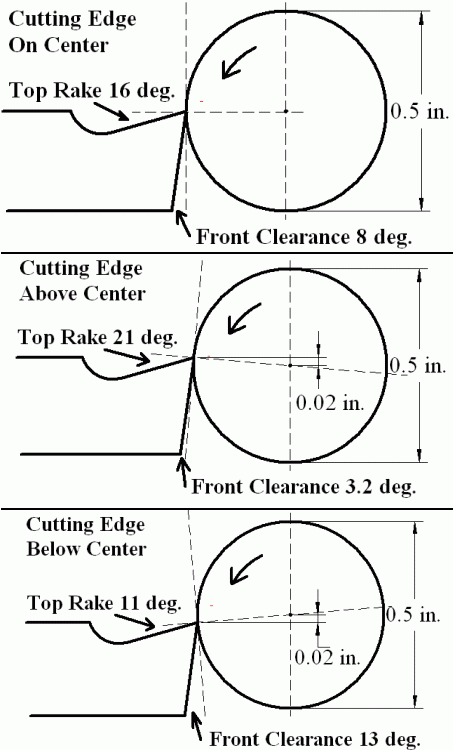
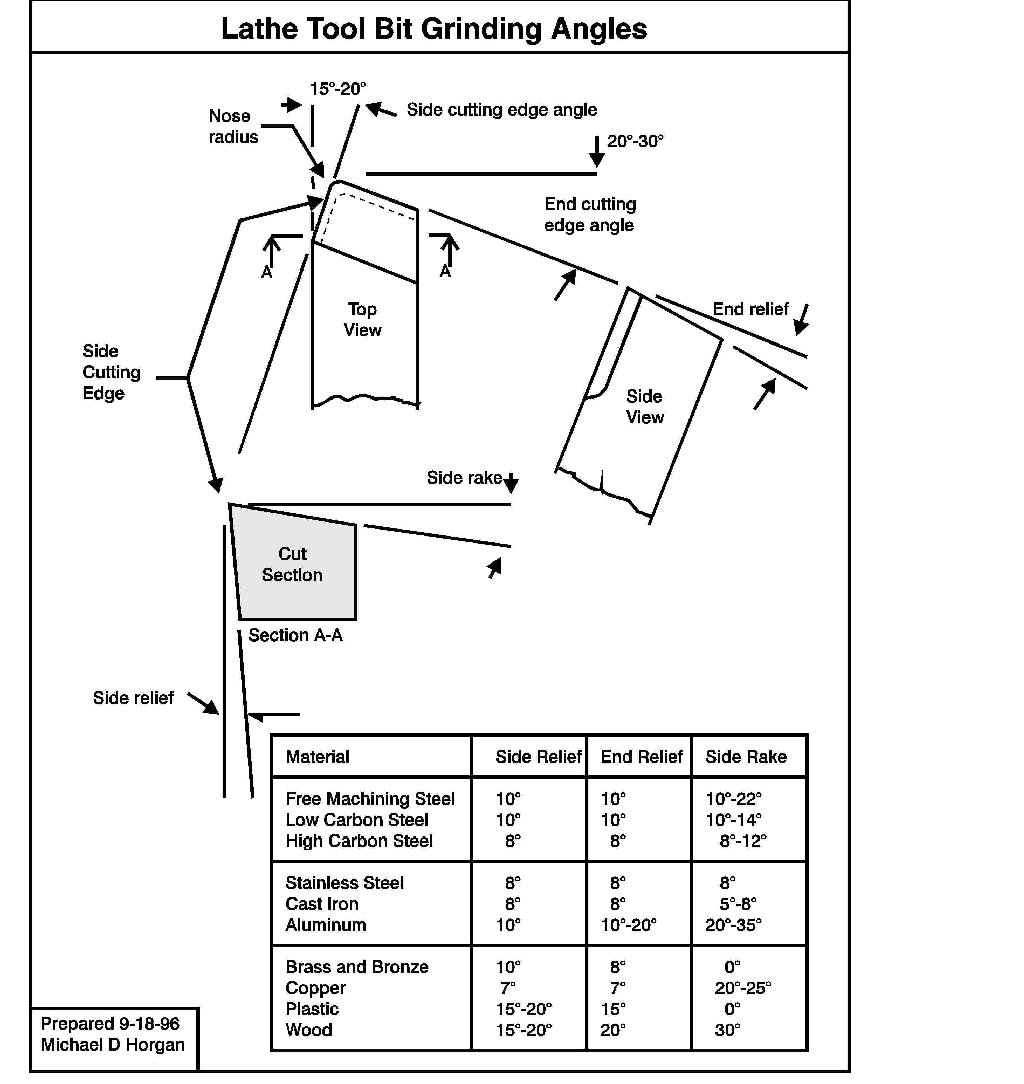
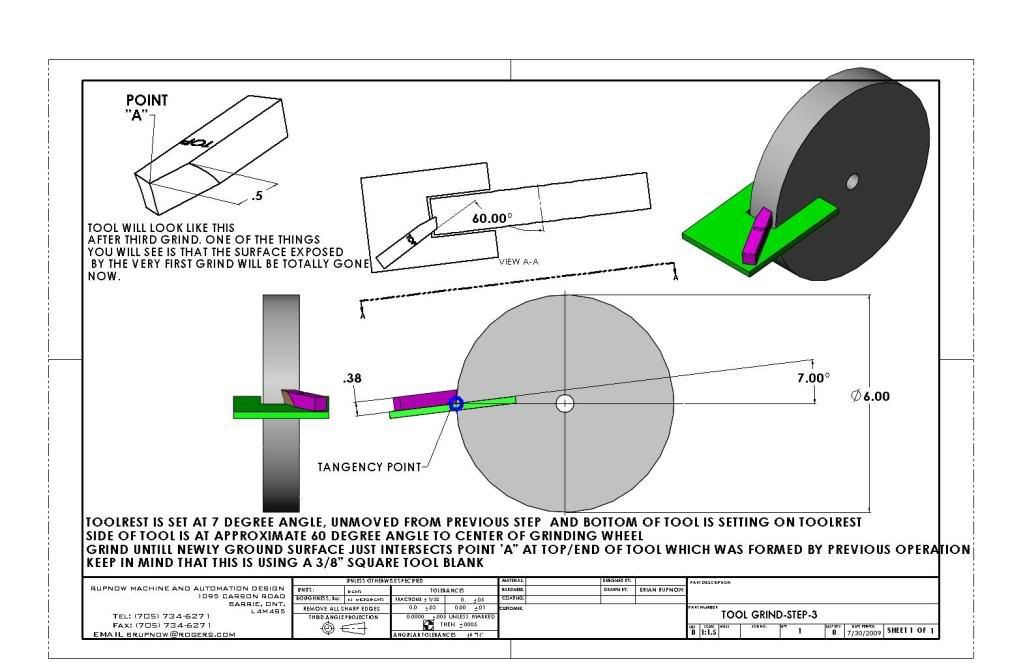
Here are just a few from doing a search for "Images" on "HOw to grind a lathe tool"
Normally, and for the OP, if you look in the two cardboard boxes of toolbit blanks, the ends of the toolbits are already angled. You may want to dress them, but not really necessary. The main thing is getting the top ground, and the sides ground. Even the top can be flat, but normally you want an radius in it, as this will curl up your swarf (chips), and keep a lot of them in the lathe bed.
To sharpen one is not rocket science, but yet there is an art to it. Once you get the hang of sharpening them, you will find a sweet spot to where the tool will last the longest between sharpenings.
One thing to remember, and this is for others that may have a lathe at home and happen to run across some bits at a swap meet or flea market......DO NOT pay a buck or two for something that is only an inch long. I have seen so many over the years selling someone elses throwaways for $1, $2, and even up to $5. You can go to ENCO's website and pay that for brand new blanks. At swap meets and flea markets, if the item has anything to do with "Machinist", the ones selling the items think they are gold.
At the Canfield Swap Meet, there was a guy selling lathe tools, end mills, and so on. Absolutely FANTASTIC prices. I bought end mills resharpened and waxed for $3-$5 each, including roughers. These were up to 3/8" in diameter. I bought a few carbide lathe bits off of him in different configurations, and 3/4" square for $1.00 each. When I go back to the next swap meet up there, I'ma spendin' a little more money at his booth.
Also for ones that may not know......IF YOU HAVE CARBIDE BITS.......you CANNOT sharpen them on a belt sander, or a regular bench grinder stone. You have to have a diamond impregnated stone to sharpen carbide. And with that type of stone, you want to keep it clean and NEVER use it for any steel or HSS as it will load it up.
Also when you are turning a piece of material, and it has a fuzzy, furry, rough finish to it, your tool is TOO SHARP. So for HSS you want a Norton/India stone, something like 3/8" square, and for carbide, you want to have a small diamond hand hone. All you need to do is hit the nose of the tool a few times to put a very small radius on it. Even something as small as .002-.005 radius is enough to take that fuzzy, furry, finish, to a finish that is as smooth as can be.
I've always told anyone that I trained in machining to "Become one with the machine, become one with the tool, and become one with the material". It may sound stupid, but if you listen very carefully, and if you can see with your mind and not your eyes, you can start to tell what you need to do to fix a cutting problem. Any tool, and any material will flex. Even a 1" carbide endmill will flex some when cutting. THe machine may push away, or it may pull towards you. A cutter will push away, it may push the material away, or the tool may be sucked in and the material pulled towards it. Once you can SEE everything in your mind and see what it's doing in your mind, and hear what things are doing, you can them become a better machinist. It's the same thing when they say "A blind person can see certain things better than a person that has sight". This is because he uses his other senses.
But anyways.....just a little on lesson on sharpening and a small lesson on machining for a Monday morning. Just watch what you spend on Machinist tools at swap meets, flea markets, and CL, because the word "Machinist" automatically drives the price up.