Eric Brown
ALLIANCE MEMBER
- Joined
- Jun 14, 2024
- Messages
- 723
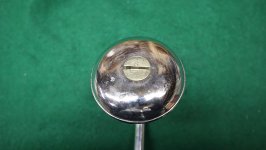
Here it is plated and polished. Plating took one hour for the frame and another for the top pad. The current was set to 2.5 amps for the frame. I actually plated two pads at the same time with each pad needing 1.5 amps that meant I set the power to 3 amps total.
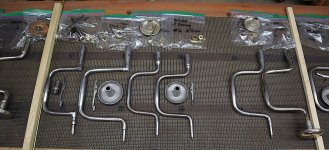
I spent the whole day plating five frames, six pads and little parts. I always try for a full day to take advantage of the solutions being heated. So one part into the degreaser at 200F for about an half hour. Pull it out and wash it off with distilled water over the degreaser tank. Then moved it over to the plating tank. After a half hour I put another part into the degreaser. At the end of the plating hour I shut the plating power off and pull the part, rinsing back into the plating tank with distilled water. Then I pull the part out of the degreaser, rinsing it, and then putting it into the plating tank. Turn the plating power on and adjust to the amps needed. I have a chart showing how many amps needed for how many square inches. I use a kitchen timer for tracking the time. I wear a long rubber glove for lifting the parts out of the tanks. The parts are hung with 12 gage wire and that wire gets hot. The glove protects not only from chemicals but heat too. The chemicals themselves aren't dangerous, but washing your hands often can dry them out. I try to not contaminate my plating solution. It is not cheap.
Note: The rinsing of the solutions back into the tanks replaces some of the water lost from the heating. I normally top off both tanks when first starting up. Every once in a while I add degreaser but the nickel is self replenishing but the nickel anodes are consumed and need replaced. I use two plates on opposite sides of the tank to reduce needing to turn the parts. The anodes cost about $50 each and last a season for me.

I spent the whole day plating five frames, six pads and little parts. I always try for a full day to take advantage of the solutions being heated. So one part into the degreaser at 200F for about an half hour. Pull it out and wash it off with distilled water over the degreaser tank. Then moved it over to the plating tank. After a half hour I put another part into the degreaser. At the end of the plating hour I shut the plating power off and pull the part, rinsing back into the plating tank with distilled water. Then I pull the part out of the degreaser, rinsing it, and then putting it into the plating tank. Turn the plating power on and adjust to the amps needed. I have a chart showing how many amps needed for how many square inches. I use a kitchen timer for tracking the time. I wear a long rubber glove for lifting the parts out of the tanks. The parts are hung with 12 gage wire and that wire gets hot. The glove protects not only from chemicals but heat too. The chemicals themselves aren't dangerous, but washing your hands often can dry them out. I try to not contaminate my plating solution. It is not cheap.
Note: The rinsing of the solutions back into the tanks replaces some of the water lost from the heating. I normally top off both tanks when first starting up. Every once in a while I add degreaser but the nickel is self replenishing but the nickel anodes are consumed and need replaced. I use two plates on opposite sides of the tank to reduce needing to turn the parts. The anodes cost about $50 each and last a season for me.