To avoid these ads, REGISTER NOW!

Garage Ventilation . . . .

Delance412

Member
Joined
May 15, 2018
Messages
7
Location
Detached, Behind House
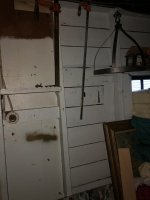
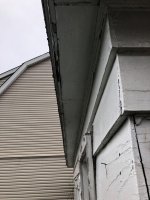
I have a detached 16x11 garage that I am looking to insulate and make into a more stable hobby area. Right now, the interior is all bare studs. I read online that with insulation comes the need to ventilate to avoid moisture problems in the future. My garage has no vents (soffit, ridge, etc) and I wanted to know what you guys/gals would recommend? Are there options for the average DIY-er? Thank you in advance for your help!
 

Attachments

  • 423942FD-F8A7-43DA-8B97-A42E07F50B0C.jpg
    423942FD-F8A7-43DA-8B97-A42E07F50B0C.jpg
    75.8 KB · Views: 35
  • 61680719-E7F3-4EAC-9DCE-C1E32B1BF37F.jpg
    61680719-E7F3-4EAC-9DCE-C1E32B1BF37F.jpg
    59.9 KB · Views: 36
  • 517FF3C5-03E8-4FD3-9B1C-9E56B0F5C760.jpg
    517FF3C5-03E8-4FD3-9B1C-9E56B0F5C760.jpg
    88.4 KB · Views: 34
To avoid these ads, REGISTER NOW!

Hohn

Well-known member
Joined
Aug 25, 2016
Messages
2,720
Location
Diesel Central, Indiana
If you haven't read the Building Science articles on moisture management, I highly recommend reading up on that site.

Here's a good article on vapor barriers:


What's best for you will depend on where you live and what your local climate conditions are year-round.

If you live in an area where winters get cold and you plan on heating the garage, then you will likely end up with moisture problems on the inside. Warmer. more humid air meeting the cold studs will cause condensation and mold.

They KEY INSIGHT from Building Science is what I call the "golden sequence":

1) Water
2) Air
3) Vapor

That's in order of importance. If you don't keep out water, there's no point in worrying about air or vapor. Assuming you have a dry building, then you have to worry about air sealing, and if you don't control the air, there's no point in trying to control the vapor.

If your garage is watertight and well sealed against air (this is not that hard to test), then you get to worry about vapor control to prevent condensation and mold.

What is your local climate?
 
OP
D

Delance412

Member
Joined
May 15, 2018
Messages
7
Location
Detached, Behind House
If you haven't read the Building Science articles on moisture management, I highly recommend reading up on that site.

Here's a good article on vapor barriers:


What's best for you will depend on where you live and what your local climate conditions are year-round.

If you live in an area where winters get cold and you plan on heating the garage, then you will likely end up with moisture problems on the inside. Warmer. more humid air meeting the cold studs will cause condensation and mold.

They KEY INSIGHT from Building Science is what I call the "golden sequence":

1) Water
2) Air
3) Vapor

That's in order of importance. If you don't keep out water, there's no point in worrying about air or vapor. Assuming you have a dry building, then you have to worry about air sealing, and if you don't control the air, there's no point in trying to control the vapor.

If your garage is watertight and well sealed against air (this is not that hard to test), then you get to worry about vapor control to prevent condensation and mold.

What is your local climate?
I live in New York so we have the full range of weather; cold winters and hot summers. I’m going to read that article just now. Thanks for the help!
 
To avoid these ads, REGISTER NOW!
OP
D

Delance412

Member
Joined
May 15, 2018
Messages
7
Location
Detached, Behind House
Are you planning on heating/cooling the space?
I am planning to heat the space up a few times in the winter, at most once or twice a week. I am not really looking to keep it heated at all times. I just want it to be tolerable for hobbies and possibly working out. I just wanted it to hold the heat for the few times I needed it. I am not looking to cool the space at all. Thanks in advance for the help!
 
Last edited:
To avoid these ads, REGISTER NOW!
Top Bottom