To avoid these ads, REGISTER NOW!

Grounds rods and concrete patio

tominboise

Well-known member
Joined
Jan 17, 2022
Messages
195
I am removing a wood deck and replacing it with a poured concrete patio. I have two ground rods currently located where they will be covered by the concrete. I believe I have to install new ground rods and have the connection to the wire above the surface of the concrete. Do I also need a pvc pipe around the ground rods to form a sleeve and keep the concrete from directly touching the ground rod? Is there any other method? The city uses the NEC as listed here:

"NEC 250.52 - Grounding Electrodes: Metal underground water pipe with 10’ or more in contact with earth (including well casings), metal building frame, concrete encased electrode of #4 AWG copper conductor 20’ long or 20’ of ½” bare reinforcing bar within and near the bottom of a concrete footing, and 8’ ground rods. An additional electrode must supplement the underground metal water pipe or a single rod. "

What diameter ground rod? 1/2" or 5/8"?
 
To avoid these ads, REGISTER NOW!

mm08822

Well-known member
Joined
Jan 13, 2012
Messages
5,956
Location
NJ
Two holes in the patio won't look nice, can promote cracks and really provides little value in accessing the conductor, connection or rod.

I would just make sure the tops of each rod are below the concrete and pour right over them. If you want, you could clean up the conductor-rod connections first. Maybe use new acorn clamps.

If you ever upgrade the service, just drive 2 new rods where accessible and abandon the old ones.
 

u2slow

Well-known member
Joined
Nov 20, 2011
Messages
3,595
Location
BC
Can use a single ground plate here, buried 2 feet deep.... might be an easier option, if allowed.
 

KenC

Well-known member
Joined
Dec 20, 2009
Messages
2,590
Location
oklahoma
Our local inspector wants to be able to see the rod/conductor connection, even a Ufer must have and exposed end. Individual quirk or rule, who knows.
 

mm08822

Well-known member
Joined
Jan 13, 2012
Messages
5,956
Location
NJ
Our local inspector wants to be able to see the rod/conductor connection, even a Ufer must have and exposed end. Individual quirk or rule, who knows.
Once it is seen for the electrical inspection, the box is checked.

Trenches can be backfilled, grading along side the building, blacktop, concrete, and it's gone from site.

Good luck for the next guy....easier to just add more instead of randomly digging.
 

PCustoms

Well-known member
Joined
Jul 23, 2011
Messages
23,018
Location
VT
I am removing a wood deck and replacing it with a poured concrete patio. I have two ground rods currently located where they will be covered by the concrete. I believe I have to install new ground rods and have the connection to the wire above the surface of the concrete. Do I also need a pvc pipe around the ground rods to form a sleeve and keep the concrete from directly touching the ground rod? Is there any other method? The city uses the NEC as listed here:

"NEC 250.52 - Grounding Electrodes: Metal underground water pipe with 10’ or more in contact with earth (including well casings), metal building frame, concrete encased electrode of #4 AWG copper conductor 20’ long or 20’ of ½” bare reinforcing bar within and near the bottom of a concrete footing, and 8’ ground rods. An additional electrode must supplement the underground metal water pipe or a single rod. "

What diameter ground rod? 1/2" or 5/8"?
I assume this is existing (and previously inspected) electrical?

Pour away
 
To avoid these ads, REGISTER NOW!

sparky 1971

Well-known member
Joined
Oct 9, 2018
Messages
7,973
Location
Central Iowa
Our local inspector wants to be able to see the rod/conductor connection, even a Ufer must have and exposed end. Individual quirk or rule, who knows.
They want to see them at inspection to ensure that the rods are there. I put 'em below grade and slip a piece of pipe over them before backfilling, the inspector looks in the pipe, sees the rod, I pull the pipe off, dirt falls in around them and they are out of sight forever, or at least until someone does some digging in that area.
 
Last edited:

Chuckster in NJ

Well-known member
Joined
Jan 26, 2010
Messages
2,298
Location
Hunterdon County NJ
Our local inspector wants to be able to see the rod/conductor connection, even a Ufer must have and exposed end. Individual quirk or rule, who knows.
A UFER must be totally encased in the footer including the clamp……. You should NOT have any part of the UFER exposed. This is usually inspected on the footing inspection by the building inspector (in NJ as per the UCC)
When I built my house 30 years ago I used the standard two ground rods HOWEVER, I bent a piece of rebar and left 6” exposed in my sump pit (because UFER grounds were not popular) and once I obtained my CO I ran a #4 to it, because I did not feel like debating or teaching an inspector about UFER's…….. Nowadays this would have failed because the entire UFER must be incased in concrete.

BTW! I am NOT a fan of encasing the rebar connection to the rebar being encased (and not accessible) because it is not serviceable.
 

rlitman

Well-known member
Joined
Oct 18, 2010
Messages
24,617
Location
Long Island
...BTW! I am NOT a fan of encasing the rebar connection to the rebar being encased (and not accessible) because it is not serviceable.
Fair sentiment, but copper to steel will galvanically corrode if not encased, whereas I would expect a copper wire clamped to a copper clad rod (with a matching rated bronze clamp) to be left in an inspectable (if not necessarily serviceable) location.

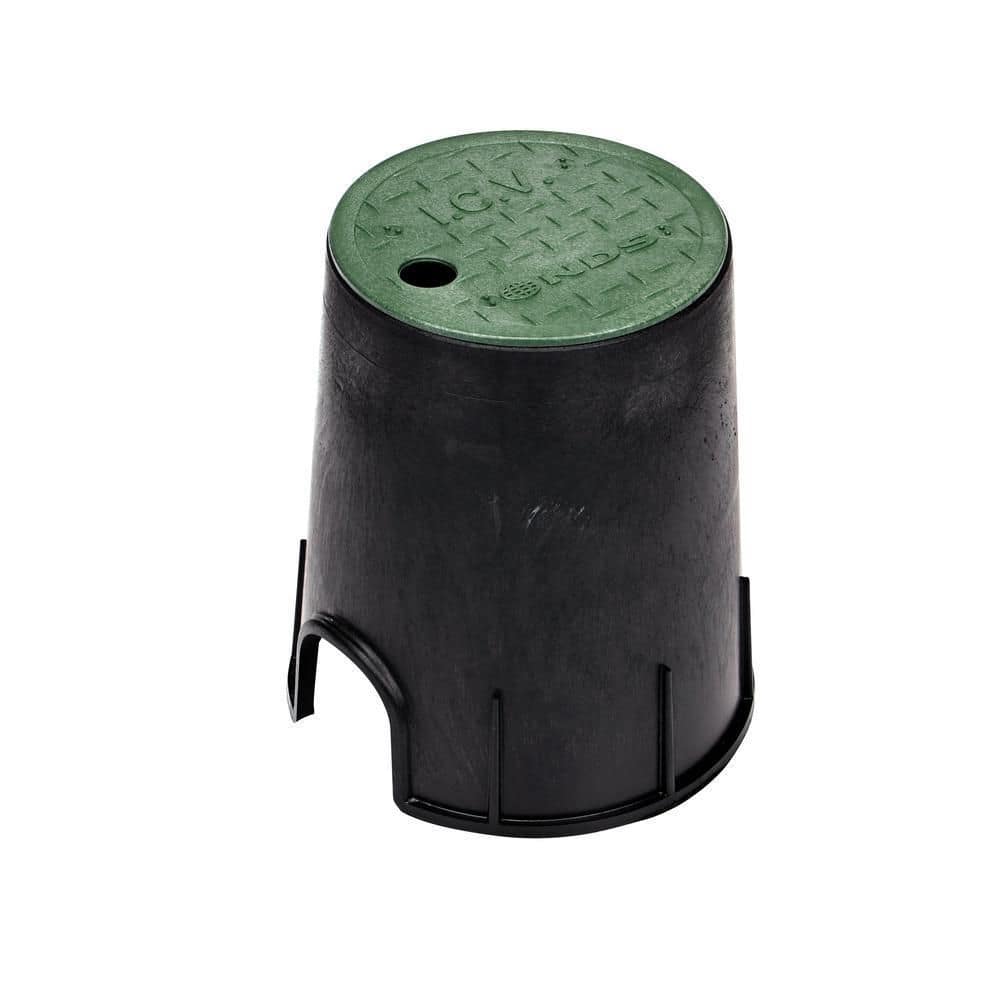
If this were my work, I would sleeve the underground wire in 1/2" LFNC (outdoor non-metallic flex) ending under a 6" round valve box:
 
To avoid these ads, REGISTER NOW!
Top Bottom