

rktinc
Well-known member
Need some ideas from the forum:
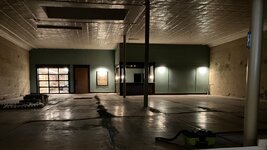
After 3.5 years of working toward finished up my circa 1901 building, I am finally ready to deal with these floors. Need some creative ideas from the group.
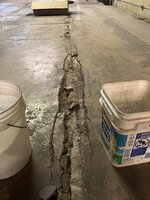
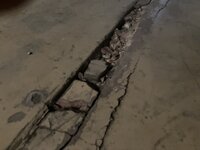
I am ready to start finish up my circa 1901 concrete floor. I am looking for good advice on how to deal with these heave cracks and failures in the floor expansion gaps. I am not looking for anything pretty, just trying to seal it and level it up to be able to park cars inside this room and keep people form tripping in the holes.
I spent a great deal of time digging out the loose bits and large pieces (ended up with a small trailer full of dust and rocks) I vacuumed every one of them so there is a clean bed of original material to build upon. I will be doing it myself like everything else in this project.
I know the "correct way" to repair this is to saw them out and pour new concrete. I have done that on one expansion gap already for the new sewer and water lines. I just can't bear to deal with the dust and mess of that again. I also am convinced that they will just crack and fail again over time. I need something flexible or at least easily touched up as it fails again. The previous owner used lots of quickcrete which failed miserably and turned to powder over the years with one spot of exception...
One place was repaired using small pea-sized gravel/chat as we call it around here. This very smalll aggregate mixed with some type of cement has outlasted every other patch in the building and is in a high traffic area. I am leaning toward buying a few bags of old fashioned chat and mixing some old style slurry up.
I have a few ideas:
1.) Is there some kind of floor leveler/mortar product with fiberglass in it?
2.) The epoxy systems look like they would work but are very very expensive and it would take too much material
3.) I tried mixing retail mulch/rock glue at full strength with different sized aggregate with some degree of success
4.) I will next try buying clear gorilla glue slightly diluted with small aggregate mixed in to fill these areas.
I know there is a new method in Europe replacing exterior concrete drives that use aggregate and epoxy resigns to create a pourable slurry that is laid down and trowled almost like plaster but I just can't seem to find the material here is the U.S.
Not really worried about the look as I will probably cover this floor someday with a HUGE order of Swisstrax. In the mean time I need to seal this with something forgiving as a 125 year old building moves a great deal.
Any thoughts from the forum members? See photos.


After 3.5 years of working toward finished up my circa 1901 building, I am finally ready to deal with these floors. Need some creative ideas from the group.
I am ready to start finish up my circa 1901 concrete floor. I am looking for good advice on how to deal with these heave cracks and failures in the floor expansion gaps. I am not looking for anything pretty, just trying to seal it and level it up to be able to park cars inside this room and keep people form tripping in the holes.
I spent a great deal of time digging out the loose bits and large pieces (ended up with a small trailer full of dust and rocks) I vacuumed every one of them so there is a clean bed of original material to build upon. I will be doing it myself like everything else in this project.
I know the "correct way" to repair this is to saw them out and pour new concrete. I have done that on one expansion gap already for the new sewer and water lines. I just can't bear to deal with the dust and mess of that again. I also am convinced that they will just crack and fail again over time. I need something flexible or at least easily touched up as it fails again. The previous owner used lots of quickcrete which failed miserably and turned to powder over the years with one spot of exception...
One place was repaired using small pea-sized gravel/chat as we call it around here. This very smalll aggregate mixed with some type of cement has outlasted every other patch in the building and is in a high traffic area. I am leaning toward buying a few bags of old fashioned chat and mixing some old style slurry up.
I have a few ideas:
1.) Is there some kind of floor leveler/mortar product with fiberglass in it?
2.) The epoxy systems look like they would work but are very very expensive and it would take too much material
3.) I tried mixing retail mulch/rock glue at full strength with different sized aggregate with some degree of success
4.) I will next try buying clear gorilla glue slightly diluted with small aggregate mixed in to fill these areas.
I know there is a new method in Europe replacing exterior concrete drives that use aggregate and epoxy resigns to create a pourable slurry that is laid down and trowled almost like plaster but I just can't seem to find the material here is the U.S.
Not really worried about the look as I will probably cover this floor someday with a HUGE order of Swisstrax. In the mean time I need to seal this with something forgiving as a 125 year old building moves a great deal.
Any thoughts from the forum members? See photos.
Attachments
Last edited: