

The installation is all but finished. Need to install the filters and door seals...
All lights are working now.

Ran a new 240 Volt circuit for exhaust fan motor. Good planning is great. When I built my garages, each have a dedicated load center with plenty of open spaces. There's a 240 Volt circuit for the air conditioner, welder, two-post lift, tire changer, and now the paint booth exhaust fan. And still more open spaces..

I installed a VFD to produce three phase power for the exhaust fan from the incoming single phase power. The VFD allows me to vary the exhaust fan's RPM's. So I don't have to run it at full power when a small amount of air movement is required. Like when I'm prepping a car...
Installed Manometer to monitor the filter performance...
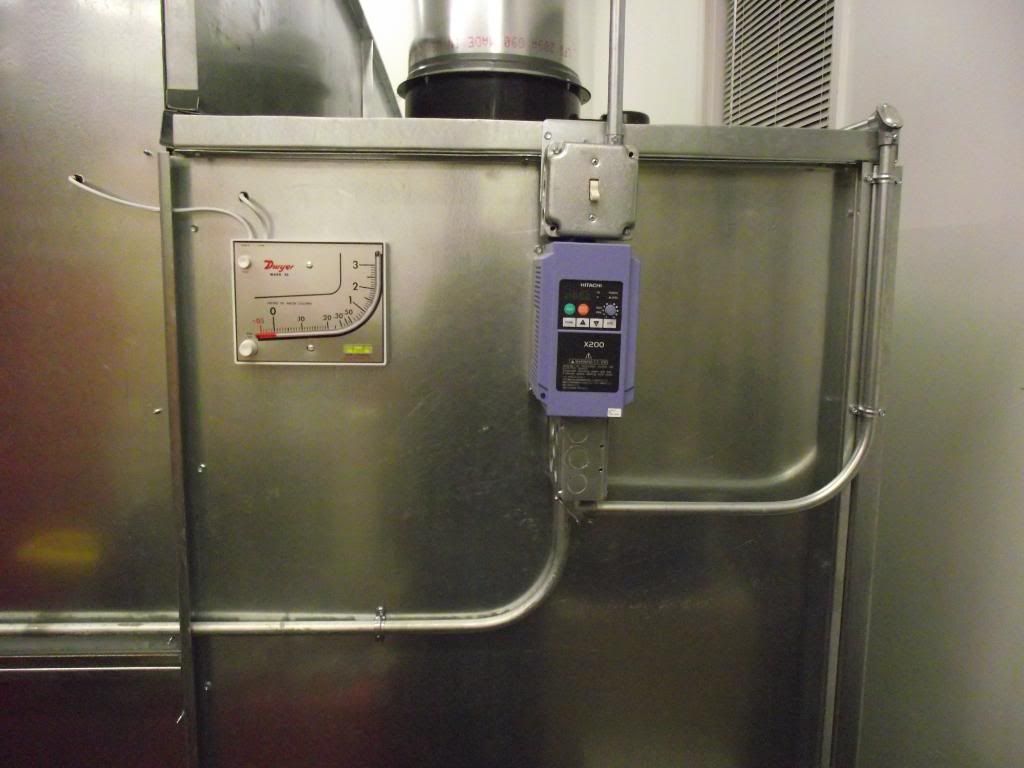
Wires run to the exhaust fan motor..

Door Limit switch.. In case of emergency on exit the exhaust fans will be killed. So as not to fan the fire..

Fan and light switches outside walk in door..
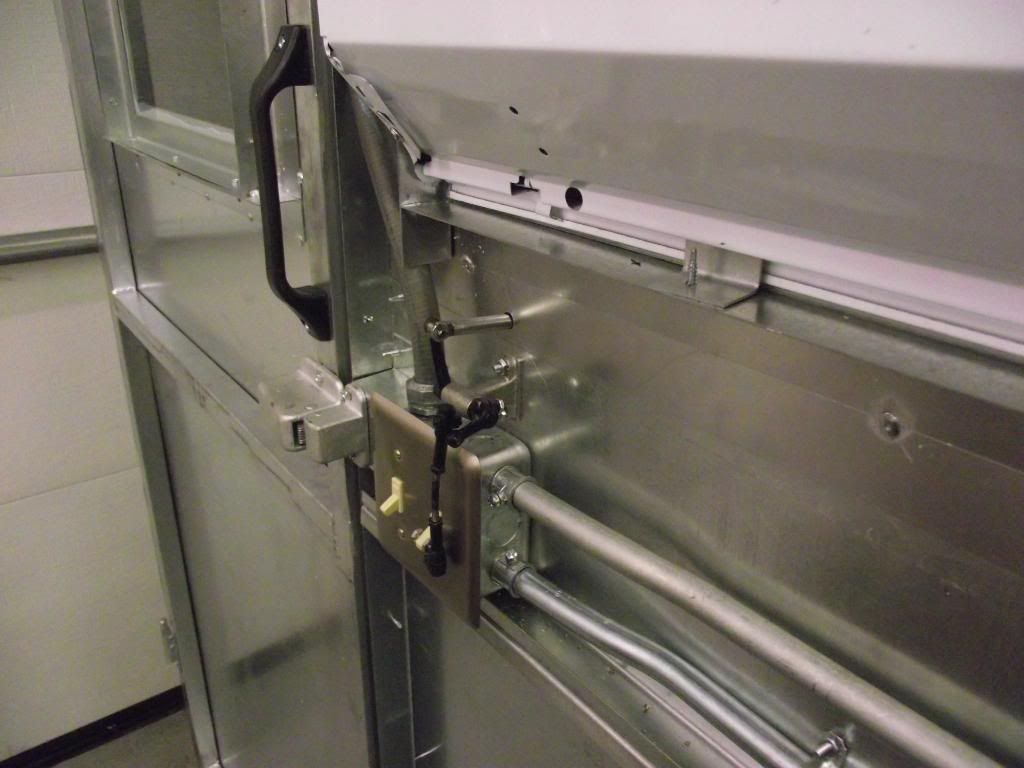

This was Sberry's idea to have the fan switch remotely a mechanical controlled from inside the booth. I used a portion of throttle linkage from an old Stutz. Now I can turn the exhaust fan off before I exit the booth. So that dust won't be sucked onto a freshly paint car...

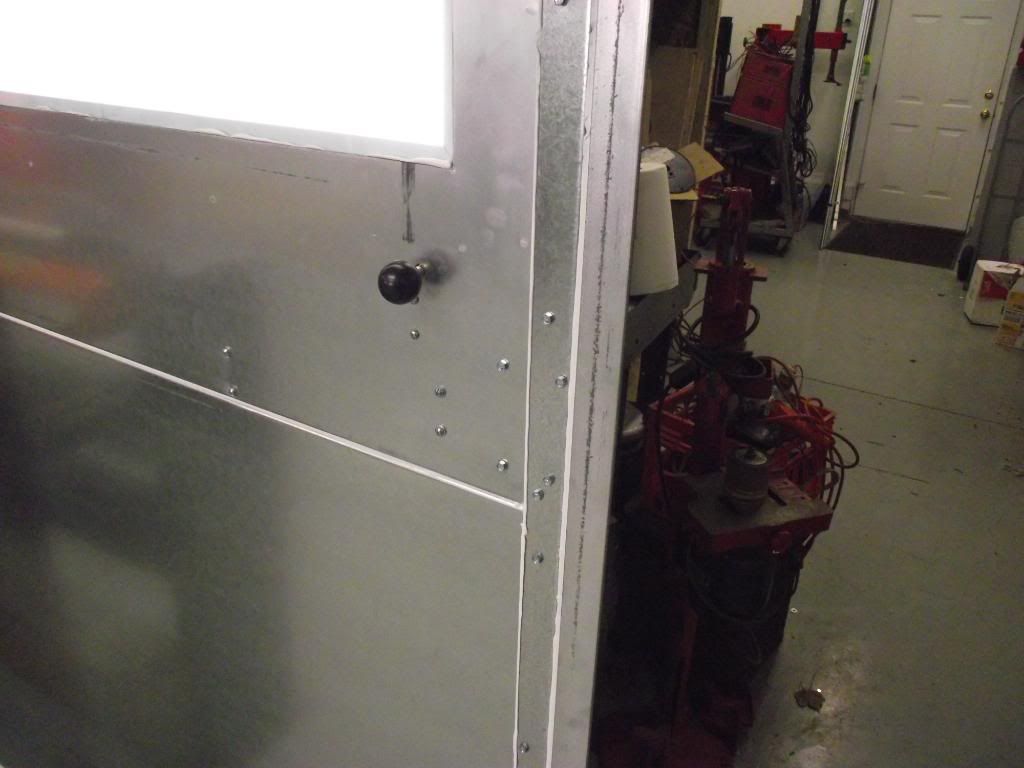
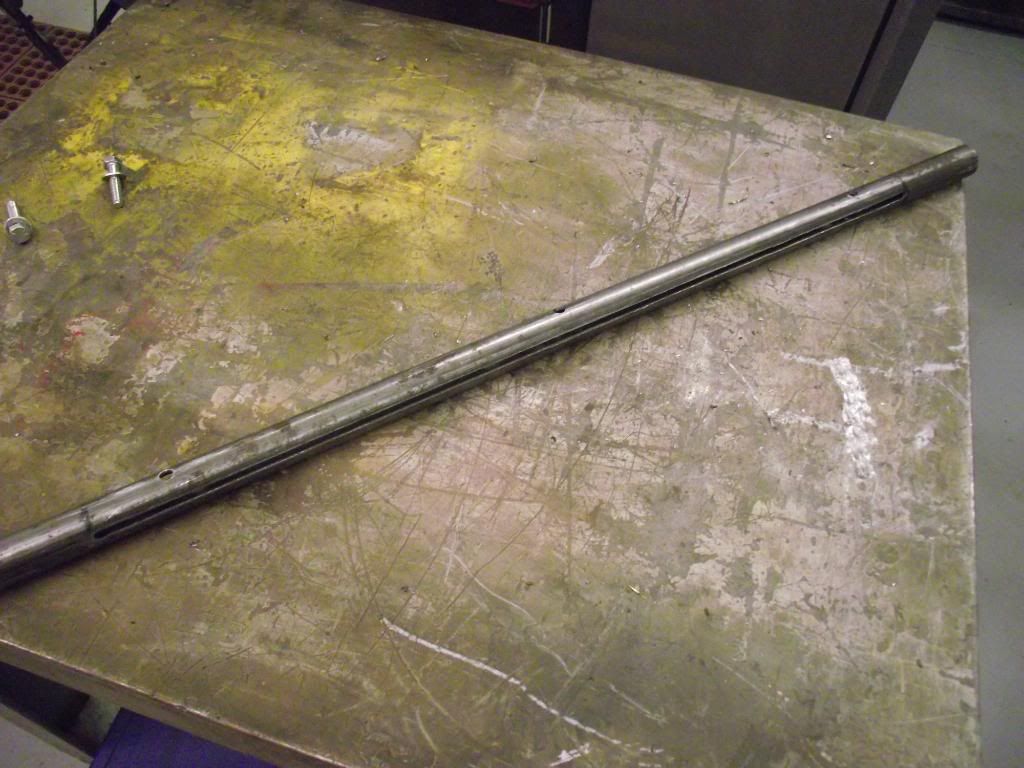
I added a shut off baffle valve inside the exhaust ductwork so the heat in the garage doesn't escape when not in use. The shaft I made from an old hollow overhead garage door spring shaft. I milled an 1/8” wide slot to accommodate the baffle...
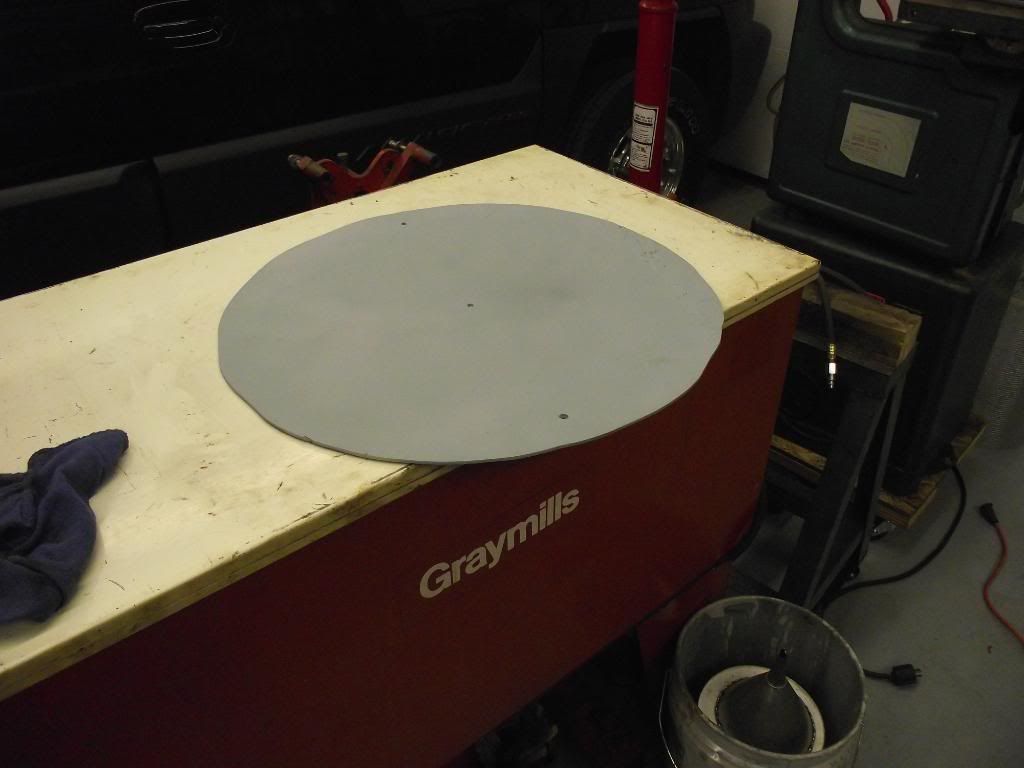
Baffle valve made from a 1/8” steel plate...
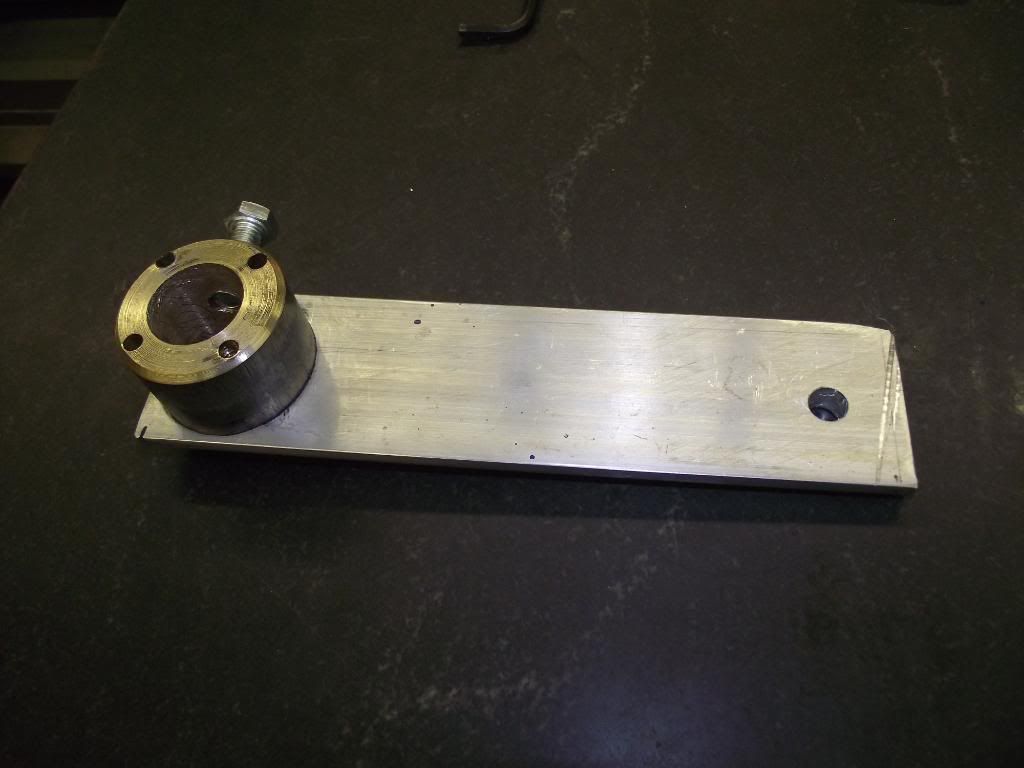
Shaft linkage arm made from a piece of brass bolted to a piece of aluminum that I had laying around. A 1” diameter hole bored through to fit over the shaft. With a 3/8” threaded hole to lock it into place.
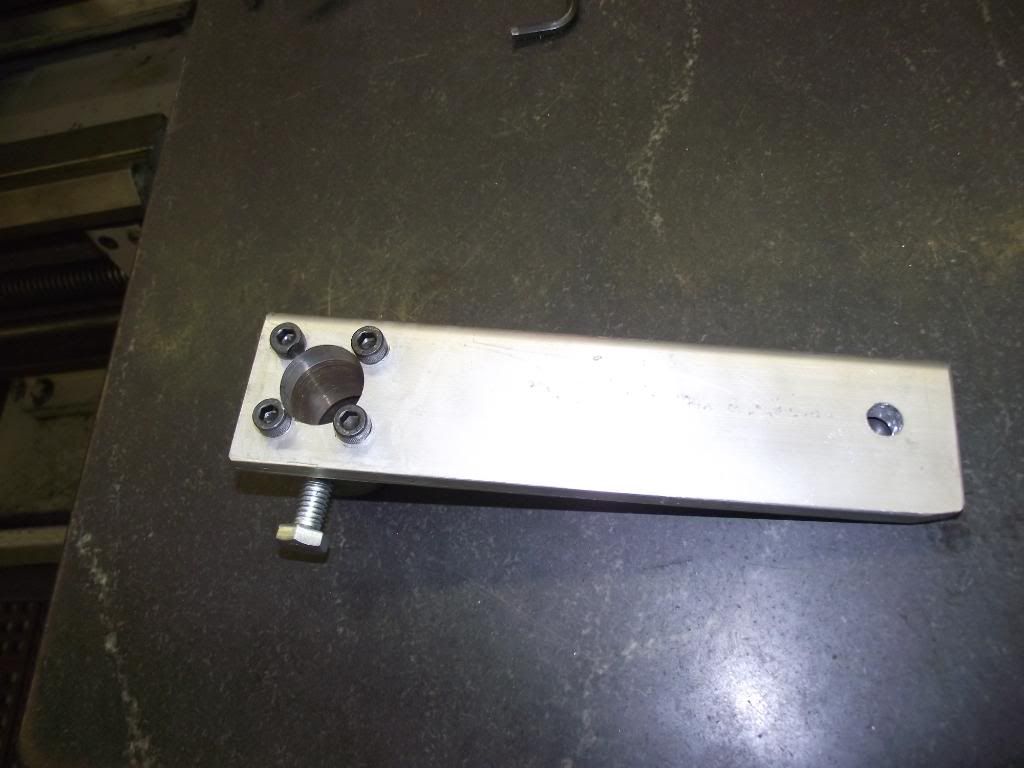
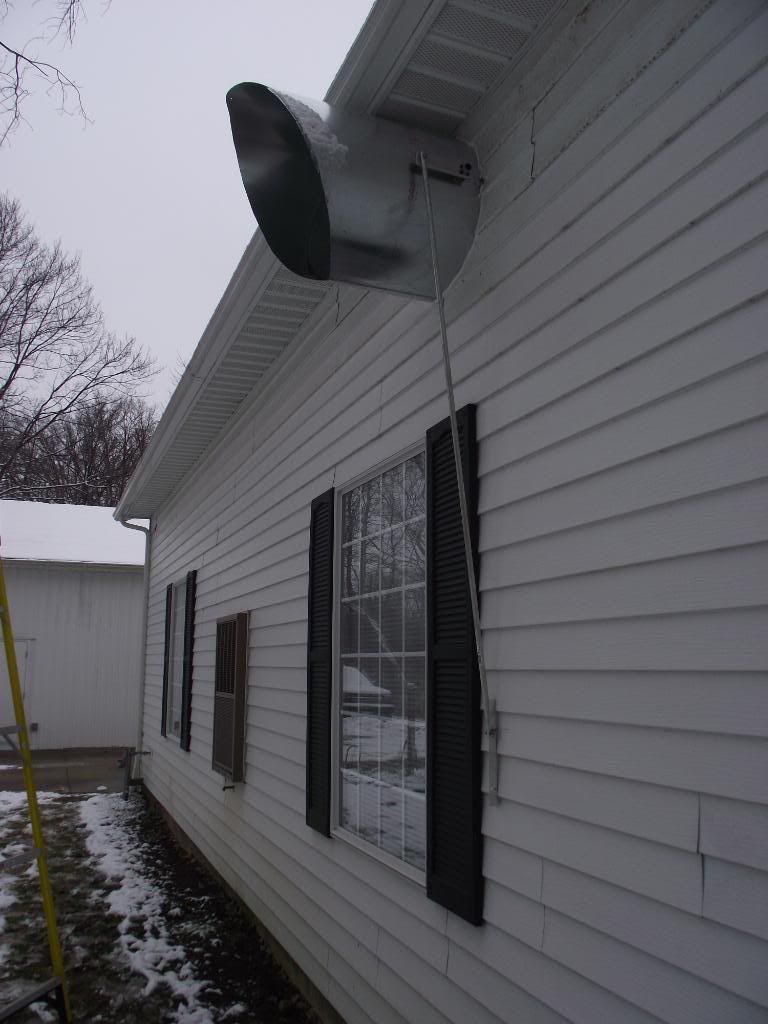
Assembled view,, I put a 1/4” mesh screen to keep out small quitters.... The valve is held open or closed by positioning the connecting rod into the proper position... I may have this controlled by using an air cylinder that's wired into the exhaust fan control. So it can be done automatically...
Now onto cleaning up and organizing this garage. Then back to restoring my 1910 Buick..
All lights are working now.
Ran a new 240 Volt circuit for exhaust fan motor. Good planning is great. When I built my garages, each have a dedicated load center with plenty of open spaces. There's a 240 Volt circuit for the air conditioner, welder, two-post lift, tire changer, and now the paint booth exhaust fan. And still more open spaces..
I installed a VFD to produce three phase power for the exhaust fan from the incoming single phase power. The VFD allows me to vary the exhaust fan's RPM's. So I don't have to run it at full power when a small amount of air movement is required. Like when I'm prepping a car...
Installed Manometer to monitor the filter performance...
Wires run to the exhaust fan motor..
Door Limit switch.. In case of emergency on exit the exhaust fans will be killed. So as not to fan the fire..
Fan and light switches outside walk in door..
This was Sberry's idea to have the fan switch remotely a mechanical controlled from inside the booth. I used a portion of throttle linkage from an old Stutz. Now I can turn the exhaust fan off before I exit the booth. So that dust won't be sucked onto a freshly paint car...
I added a shut off baffle valve inside the exhaust ductwork so the heat in the garage doesn't escape when not in use. The shaft I made from an old hollow overhead garage door spring shaft. I milled an 1/8” wide slot to accommodate the baffle...
Baffle valve made from a 1/8” steel plate...
Shaft linkage arm made from a piece of brass bolted to a piece of aluminum that I had laying around. A 1” diameter hole bored through to fit over the shaft. With a 3/8” threaded hole to lock it into place.
Assembled view,, I put a 1/4” mesh screen to keep out small quitters.... The valve is held open or closed by positioning the connecting rod into the proper position... I may have this controlled by using an air cylinder that's wired into the exhaust fan control. So it can be done automatically...
Now onto cleaning up and organizing this garage. Then back to restoring my 1910 Buick..

 I'm jealous