To avoid these ads, REGISTER NOW!

Jeep Tools: Building out the kit.

Beowulf

Well-known member
Joined
Jul 4, 2011
Messages
377
Jeep Tools: Building out the kit.

So the other day I broke a shock mount off the axle. Needed to take the shock off the upper mount so I would not rip it off trying to get home.

Sadly, I did not have any sockets with me, only a few pliers and adjustable wrenches. Got the job done, but sockets would have been nice.

Since this was the first time I have ever needed a tool offroad, besides what a leatherman could do in over 200K miles of jeep fun, i don't really need Snapon sitting in a tool kit.

I was looking at these Harbor Freight sets an wanted to know what opnions were of using it a an offroad only kit.

I'd probably get the 1/4", 3/8" and 1/2" set.

I'll use this thread to chronicle the build out of the kit.

http://www.harborfreight.com/21-pc-12-in-drive-sae-metric-high-visibility-socket-set-62304.html

image_25201.jpg
 
To avoid these ads, REGISTER NOW!

Finky198

Well-known member
Joined
Feb 25, 2014
Messages
2,120
Location
North East
JEEPs


What year is it I know Cherokees and Grand Cherokees 94-01 are almost all metric suspension and motor interior and body bolts ect

3/8 metric std and deep
1/2 metric std and deep

Main sizes will be 8,10,12,13,14,15,18,19,21
Try and get cheap set of craftsman metrics off CL oil them and leave in the box Stop by HF and get a few cheap ratchets a composite one are nice but metal is better on the trail Get there large breaker bar and an orange hammer get the free screw drivers and maybe a ball pien if u don't have and extra then add a few old pairs of pliers and your pretty much set don't go to crazy unless you traveling longer distances ....
 
Last edited:
OP
B

Beowulf

Well-known member
Joined
Jul 4, 2011
Messages
377
Those sizes cover just about everything on the jeep that is nat after market.
 

67CarGuy

Well-known member
Joined
Feb 6, 2008
Messages
763
Location
Outside Boston, MA
I'd be tempted to get the Pittsburgh Pro version, if possible. They just seem a bit heavier duty.

Upon further research it would appear they don't have any Pro sets? Not as complete, anyways. You know what you need size-wise, and with HF's warranty you're set there. I'd be tempted to throw in an 8" and 10" adjustable as well, just in case a socket breaks. All depends on how much $$ and weight you want to carry around.

Nice choice on the manual!
 

Kracin

Well-known member
Joined
Mar 25, 2013
Messages
1,666
Location
Omaha, NE
jeep fix tool kit?

2 car batteries
jumper cables
6011 rod
4lbs sledge hammer


everything is now fixable :)


but really. if its all metric, just snag a 100 piece socket set and throw it in the back. as you have a need for other items you'll see what else you need and add to it for roadside repairs if necessary.
 
OP
B

Beowulf

Well-known member
Joined
Jul 4, 2011
Messages
377
I actually run dual batteries now and have plenty of rods. Never thought of putting some rods in the jeep. That's what happens when you never break anything....you get complacent.

I like BFHs anyways, so I'll pick on up for the jeep as well.
 

Advan

Well-known member
Joined
May 25, 2014
Messages
442
Location
Ontario, Canada
I carry a cheap Mastercraft 3/8 and 1/4 drive socket set, which goes up to 19mm, and supplement it with loose combo wrenches up to 22mm, which should cover anything I'd ever have to do on the side of the trail or road. Of course I also have a big adjustable, a hammer, pliers, spare u-joint (with a brass drift for installation) spare serp belt, tie wire and zip ties. Luckily I drive a Nissan, not a Jeep, so it'll likely never be needed.... :bounce:
 
OP
B

Beowulf

Well-known member
Joined
Jul 4, 2011
Messages
377
Yeah, I definitely need SAE as well. Plus, I need some allen stuff for my Tummy Tucker skid. I need to start using nothing but my offroad kit during my garage work. Then whatever I'm missing just buy it if I really seems like something I need on the trail.
 
Last edited:

67CarGuy

Well-known member
Joined
Feb 6, 2008
Messages
763
Location
Outside Boston, MA
I need to start using nothing but my offroad kit during my garage work. Then whatever I'm missing just buy it if I really seems like something I need on the trail.
:beer:

This! I think that's a great idea. If you don't have it in the vehicle when you're working in your garage, you can immediately note it and get it the next time you're out.

I'm going to have start doing that for my vehicles now.... :thumbup:
 
OP
B

Beowulf

Well-known member
Joined
Jul 4, 2011
Messages
377
Ha! Not a JK. Last of the LJs. Maybe a JK in the future.....hmmm?
 

techenthusiast

Well-known member
Joined
Jan 20, 2014
Messages
486
I have a complete set of tools in my truck
I don't have a personal garage because I live in an apartment
I can tackle any repair as long as I have the location

All fluids, brake clean, brake lube, silicone, penetrating oil, propane torch
Hammer, files, punches and chisels
Complete metric socket and wrench set
Tire pressure gauge and knives, lights
Screwdrivers
18v 1/2 impact
Multimeter, connectors, jumpers
Repair manual
Jumper cables
Siphon hose, blocks

Most sets are in tool rolls made from used jeans so they don't clank around

Many other things. Then I have more specialty tools at
Home like timing light, ball joint press, etc

I keep my jack and stands at home also so they aren't banging around in the truck

I don't have a truck tool box yet so they are all in the back seat for now.

I also work as a mechanic so I have a snap on box full With snap on tools at work that I used to take home in tool bad for home jobs until I decided to build my own 2nd set. Good for work
Backup or the other way around. The work set also has other specialty tools, a full air line up and torque wrenches etc
 
Last edited:

Olafur

Well-known member
Joined
Jun 2, 2011
Messages
2,577
Location
Iceland
I used to travel a lot on rough trails and off-road in snow. And still try to take few trips every year.

About 3 years ago I decided to upgrade my road kit, this is what I came up with - or rather what's is left of said upgrade. I had plenty of wrenches and pliers, several socket rails, extensions etc.. in there. It was a bad idea doing it this way.

The issues:
1) If you have to keep your tools inside the passenger area the rattling noise from the tools shifting in the steel box will drive you nuts! Notice my box is covered with heavy rubber mats inside - didn't help much!!

2) Chaos, all around, difficult to find stuff and keep track of tools after few off road stunts.

3) Heavy and difficult to load and move around inside a truck that is already carrying plenty of travel gear, and is standing quite tall on 42" tires

4) Destroys everything in the neighbourhood if it comes loose.
------------

My earlier set-up was indeed much better - the basis for it was this set that has been rolling around in my trucks /cars for the past 20 years, and has been used a lot.


This is totally uncool and quite boring, but extremely practical solution for emergency travel kit.
1) Plenty of tools in small package, torx, hex, screwdriver bits, short and long sockets.

2) Organization - you notice if something is missing, and nothing moves even if your wheels leave the ground for a short while!

3) The blow mold case can take quite a beating but is also easy on the rest of the gear if something happens.

4) No rattle - drive a rough trail and you can fully enjoy the noise from the truck..

5) Cheap!
---------
Along with this set I have a plastic box with the BFH, prybar, pliers,several wrenches etc.

Today I think I would buy one of these or something similar as a starting point:


And note: many of the dirt cheap china sets are just fine. They are plenty strong and offer fantastic value for money.
 

383 240z

Well-known member
Joined
Dec 4, 2006
Messages
4,295
Location
Findley Twp. Allegheny Co.
I built the kit for my YJ-7 like this. I did a steering axle ujoint swap. Every tool I used, went in the kit. Then the same for a rear axle replacement. So on and so on. That way I'm not carrying an 11/16" socket when I have no 11/16 fasteners. Plus it make you remember the little tools. The hook for pulling the circlip out so you can get the drive flange out. The snap ring pliers so you can pull the drive flange off the outer shaft.

Then a built an electrical kit. Wire, crimp on ends fuses relays tape crimpers etc, same with water leak kit. That self sealing tape, hose clamps. You get the idea.

For those who will ask, my YJ-7 started as a 258 with a carb on a stock YJ. Now is a 4.6l stroker, with factory Mopar EFI from a TJ, AX-15, NP231 with Tera-low. Grand Waggy 44's. Spool in the back, lunchbox in the front Cro-Mo shafts, trail gear drive flanges. 4.5" RE extreme duty, 2" body, so I could clear the belly up skid. 35's 4.56's. Full cage CJ dash, hood grill fenders windshield and tailgate. Good solid wheeler.
 
To avoid these ads, REGISTER NOW!
OP
B

Beowulf

Well-known member
Joined
Jul 4, 2011
Messages
377
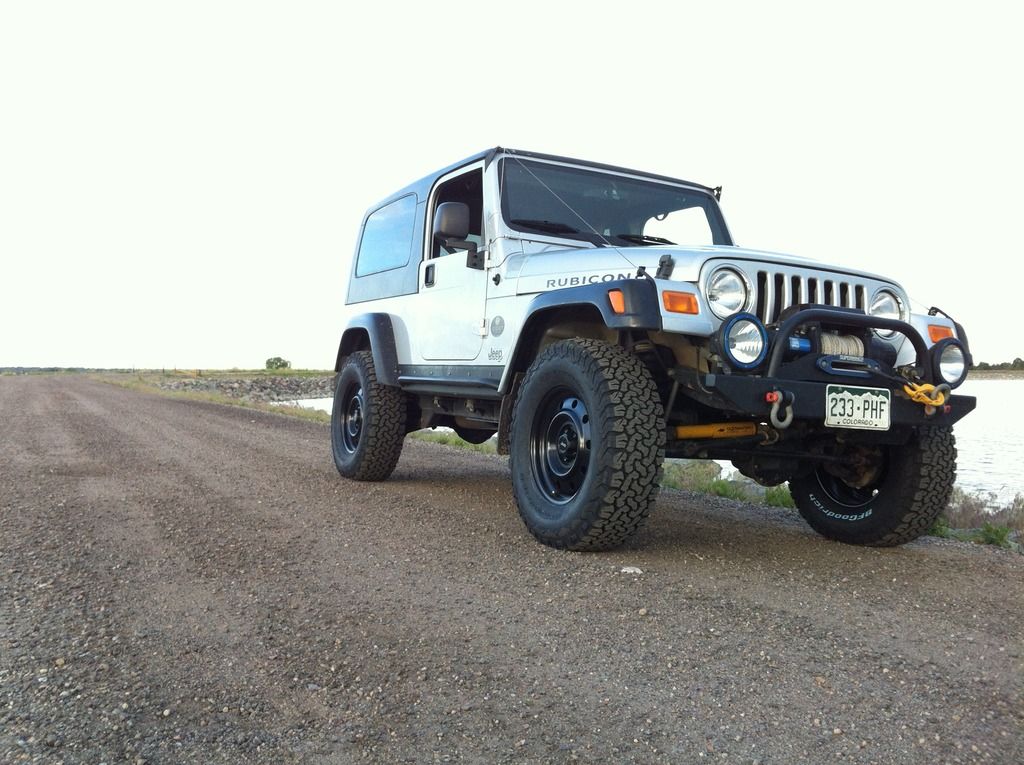
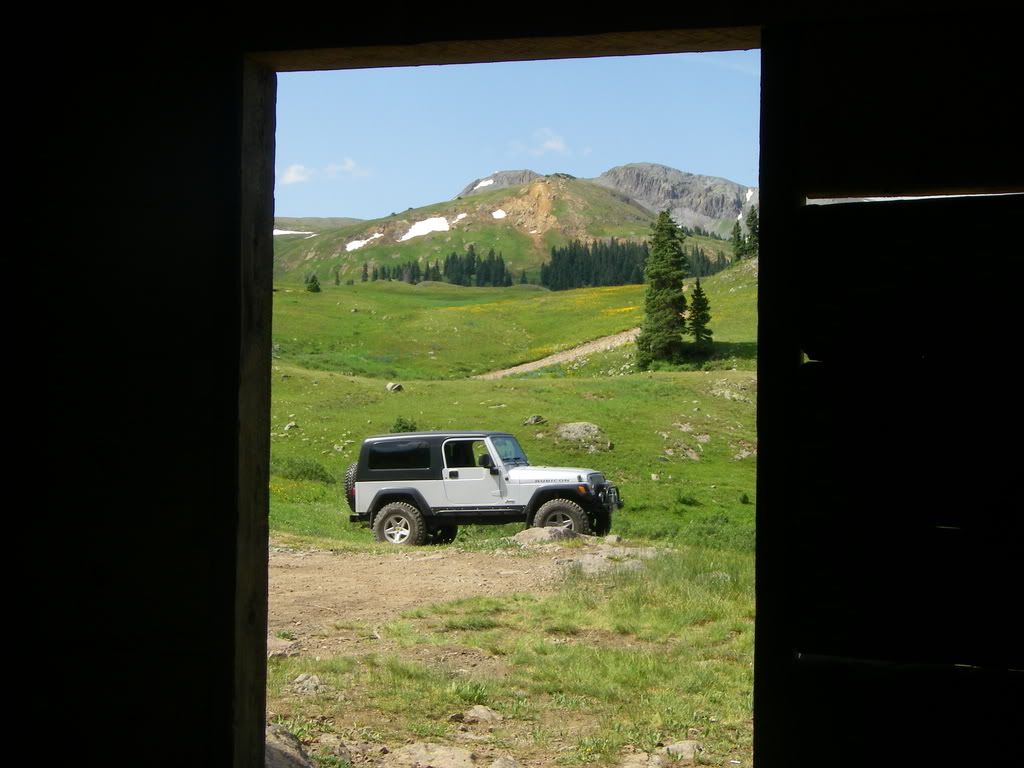
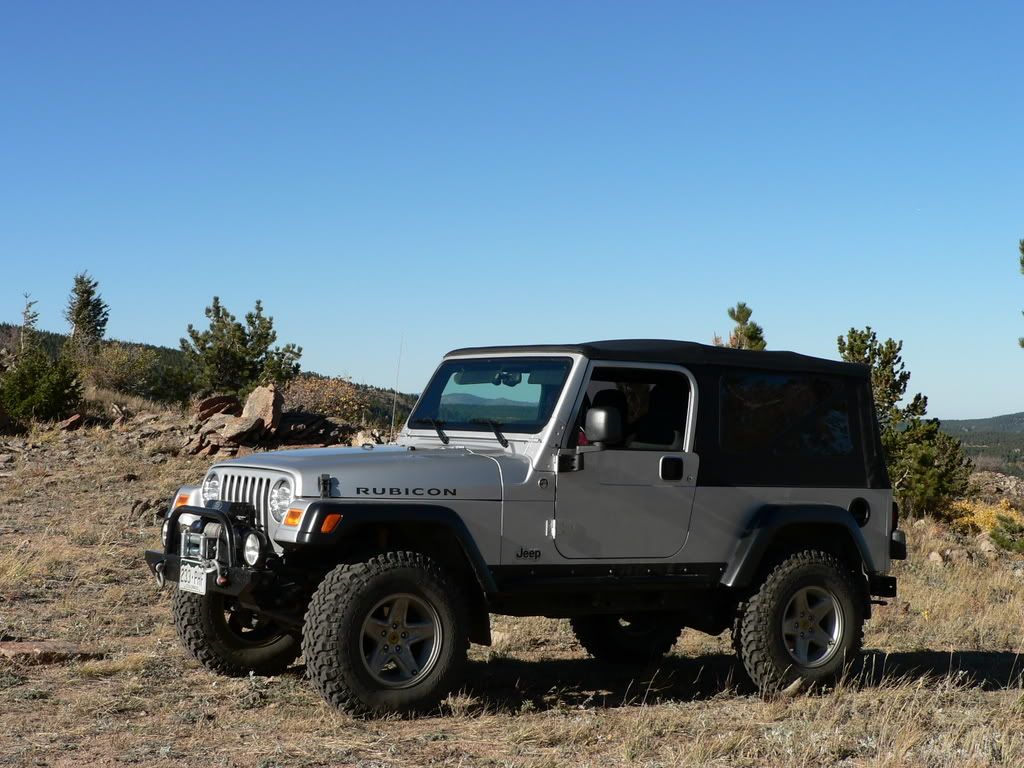
Oh and since I saw a drooling smiley about a 2006 Unlimited Rubicon, here is a pic.

But, let's keep this about tools for now. I'll start a thread about the jeep if needed.

B5ED489C-E95B-4857-9C92-7C94FCAC436B_zpsosk9j0cv.jpg

IMGP0285.jpg

P1040096.jpg
 
OP
B

Beowulf

Well-known member
Joined
Jul 4, 2011
Messages
377
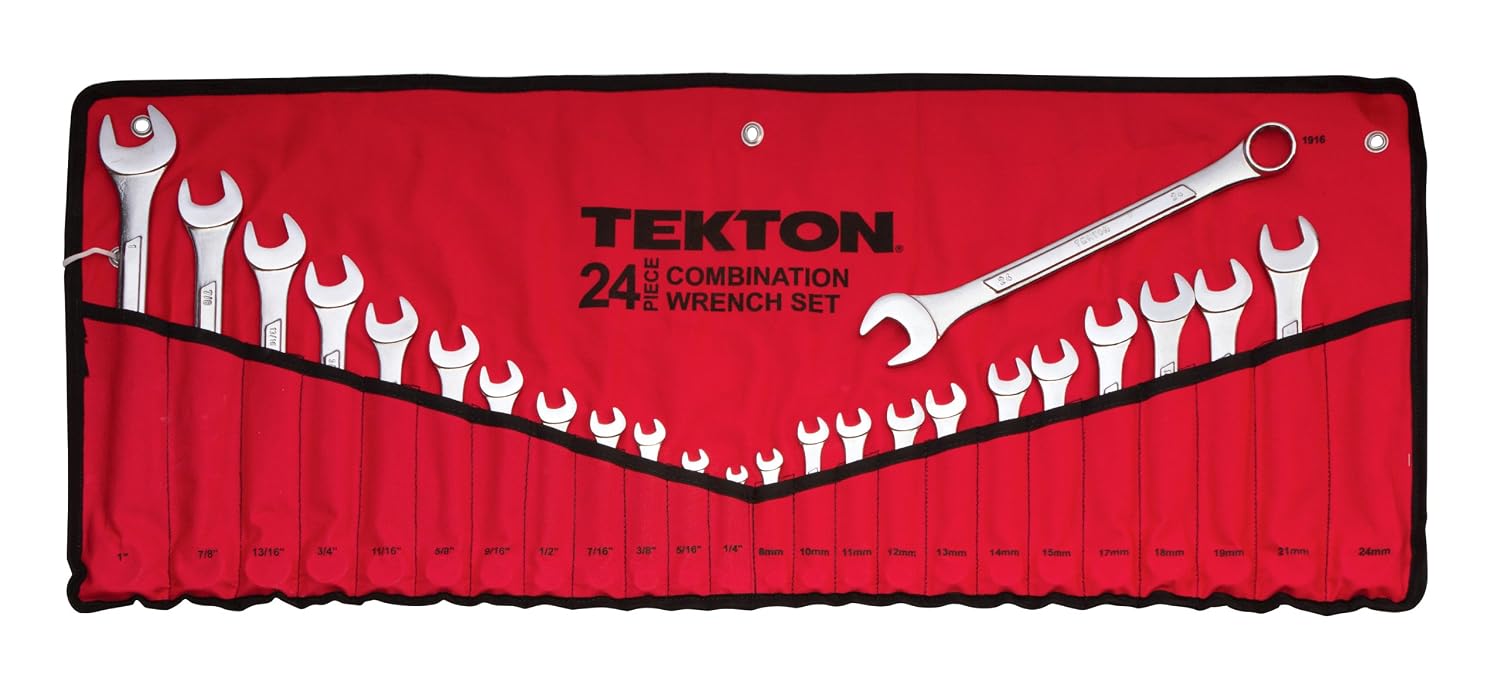
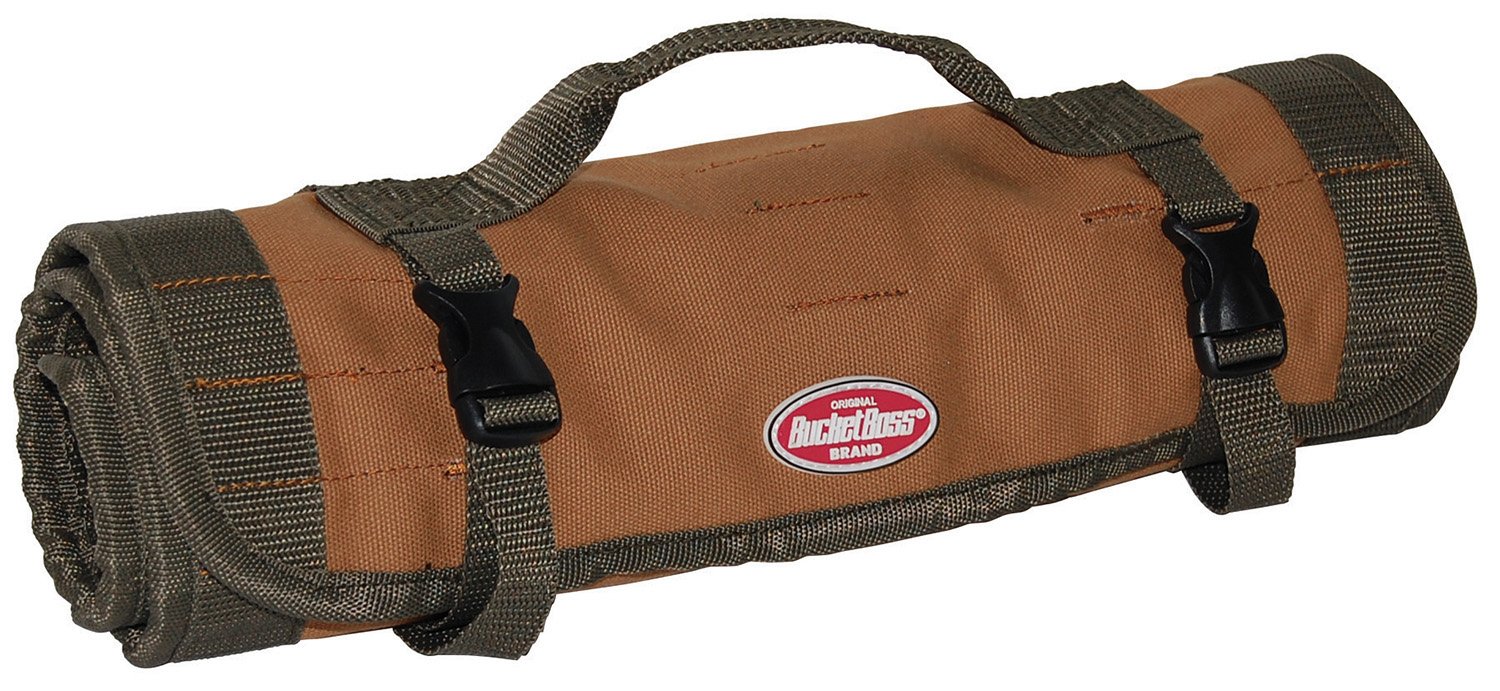
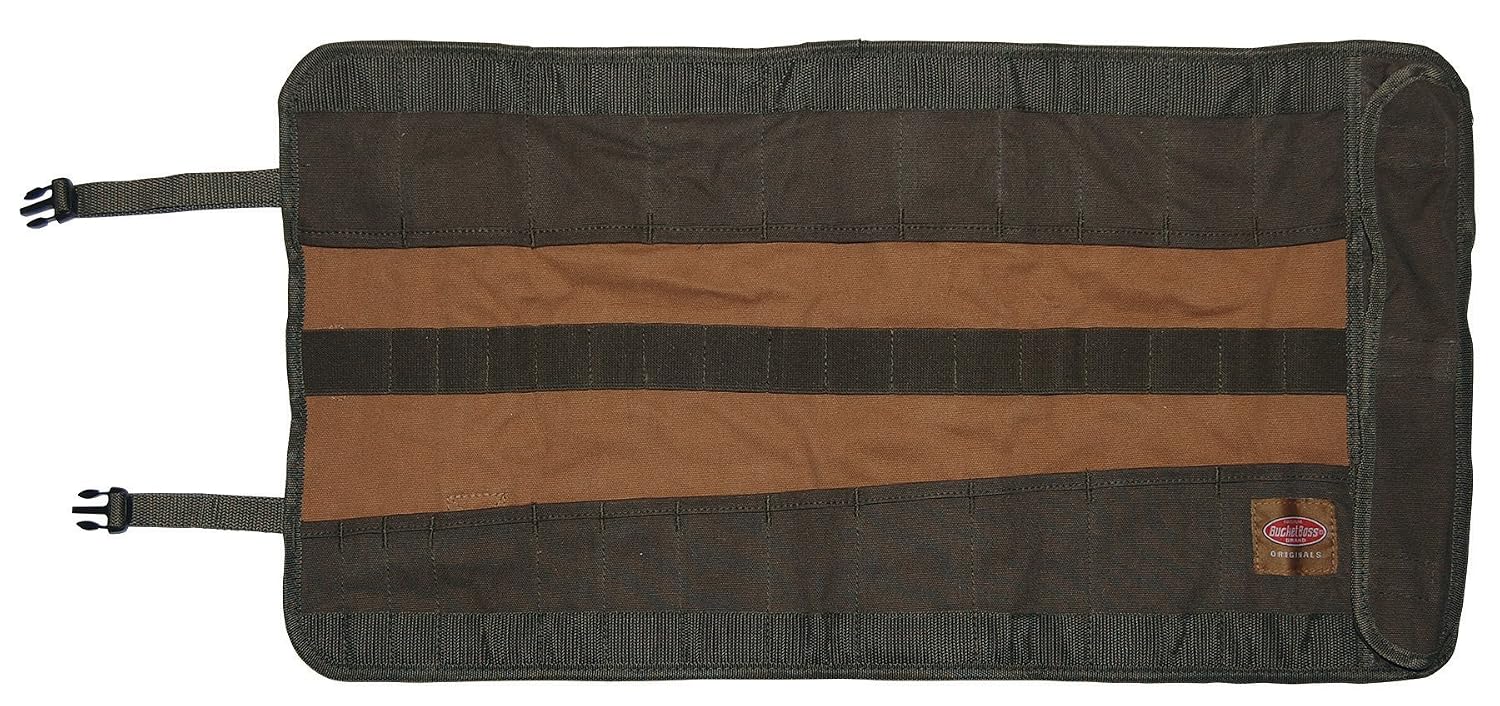
Also, I have been meaning to do this for years, so a long time ago I bought several tool rolls for all this gear. That way I can try and keep the noise to a minimum.

71JqGv7jXwL._SL1500_.jpg

81KLw-Y3cAL._SL1500_.jpg
 
OP
B

Beowulf

Well-known member
Joined
Jul 4, 2011
Messages
377
Another question. If I'm starting from scratch, should I go with 6pt or 12 point on the sockets?

I'm only going to do standard depth sockets since I can't think of a time I need deep sockets on the Jeep.
 
OP
B

Beowulf

Well-known member
Joined
Jul 4, 2011
Messages
377
Well here's another question. If I'm only going to carry one ratchet of each size, should it be a fix head or flex head?
 
OP
B

Beowulf

Well-known member
Joined
Jul 4, 2011
Messages
377
Should I even bother with 3/8" set, or just go with 1/4" and 1/2"?

Usually a 1/2" goes down passed the largest the 1/4" set has. I figure most things that I'd need a 3/8" for, I'd use the 1/2" and for those spaces too tight for a 1/2" I'd could probably use the 1/4.

Just thinking out loud here.
 

Whiskeymike

Well-known member
Joined
Oct 31, 2013
Messages
775
Location
Austin, TX
I have JKU's, but I went with the impact set and a 1/2" ratchet. The impacts come on a plastic (yet sturdy) stringer from HF. Deep is needed for wheel lugs, and when I get a battery powered impact, I'll be set. I then have the wrenches that are common, 10, 13,(battery/electrical) 18, 19,(suspension) medium and large crescents, (everything else). Then large crowbar screwdriver, BFH, ratchet straps( good ones, don't skimp here), normal needle nose, long needle nose, razor knife, and dykes. Lots of misc stuff like electrical and duct tape, 11" tie wraps and paracord. Probably a bit more, but above is mandatory. It'll all fits in a reasonable trail bag. Separate bag for winch controller, straps, shackles, etc..
 

AmishFury

Well-known member
Joined
Jan 22, 2015
Messages
872
while the socket hex sizes overlap between 1/2" and 1/4" the head of a 1/2" will be significantly thicker than a 3/8" and could potentially cause access concerns

and flex vs fixed.. if you just want to carry one of each drive size i say flex...
 

Olafur

Well-known member
Joined
Jun 2, 2011
Messages
2,577
Location
Iceland
1) don't know the tekton wrenches, probably fine!
2) Like the tool roll.
3) Primarily short sockets, 6 point, unless your Jeep has some 12 point bolt heads you think you need to move.
4) Flex heads are nice, but not mandadory, still better all around.
5) Europe didn't use 3/8" drive for the most part of the 20th century. 1/2 and 1/4" did the job. This trend can still be seen i.e in my 20 year old socket set above.

Nice Jeep!! :3gears:
 

Dave455

Well-known member
Joined
Mar 19, 2013
Messages
5,804
Location
Sussex, England
Plenty of good advice here!

I agree with Olafur in that relatively big cantilever tool boxes don't work on the road!

Traditionally, here in the U.K, car tool kits, and the necessary spares, would be carried in custom fitted trays! If you're halfway handy at woodworking, that's still the way to go, but you end up with a toolkit dedicated to one vehicle and few options for change!

Personally, when I drove an older vehicle, I used an ex army ammunition box and wrapped up all the tools in rag so they wouldn't rattle! Not as handy for regular use, but perfect for carrying on a vehicle!

As for the tools, a good selection of screwdrivers from 1/8 to 5/16 together with Pozi 1 and 2 (Substitute Phillips in the U.S.), combination and long nose pliers, combination wrenches in the likely sizes and regular and soft hammers!

In the early days I carried stuff like Allen keys, but when I started carrying a 3/8 drive ratchet and sockets, it was easier to carry hex bits! I used to carry a 1/2 inch drive breaker bar, mainly for changing wheels (still do)!

If I was starting again I'd probably include a long handle flex head ratchet, some extensions, sockets, hex bits and torx as required! I might not carry around Snap On quality, but I wouldn't race to the other end of the scale either. In the U.S. I'd probably opt for mid tier quality but still domestic made! When you really need a tool you don't want to be relying on the very cheapest!
 
Last edited:

MRKerr

Well-known member
Joined
Nov 3, 2014
Messages
47
Location
Sanford, FL
Today I think I would buy one of these or something similar as a starting point:


And note: many of the dirt cheap china sets are just fine. They are plenty strong and offer fantastic value for money.

What's that curved male-male bar for? Break it loose then flip it for speed?
 

66354dream

Well-known member
Joined
Aug 1, 2013
Messages
1,003
Location
Southern California
I built the kit for my YJ-7 like this. I did a steering axle ujoint swap. Every tool I used, went in the kit. Then the same for a rear axle replacement. So on and so on. That way I'm not carrying an 11/16" socket when I have no 11/16 fasteners. Plus it make you remember the little tools. The hook for pulling the circlip out so you can get the drive flange out. The snap ring pliers so you can pull the drive flange off the outer shaft.

Then a built an electrical kit. Wire, crimp on ends fuses relays tape crimpers etc, same with water leak kit. That self sealing tape, hose clamps. You get the idea.

For those who will ask, my YJ-7 started as a 258 with a carb on a stock YJ. Now is a 4.6l stroker, with factory Mopar EFI from a TJ, AX-15, NP231 with Tera-low. Grand Waggy 44's. Spool in the back, lunchbox in the front Cro-Mo shafts, trail gear drive flanges. 4.5" RE extreme duty, 2" body, so I could clear the belly up skid. 35's 4.56's. Full cage CJ dash, hood grill fenders windshield and tailgate. Good solid wheeler.
x2 on this strategy, I try to make all my repairs on my Comanche from my tool bag even if I'm at home to really get a " feel " of what I got, what I can upgrade and what I need.
 

blacknblue

Well-known member
Joined
Jul 22, 2014
Messages
64
Location
Jacksonville FL
I always pack one of my small toolboxes full of goodies for a wheeling trip. The thing that has saved me the most has been my Milwaukee cordless 3/8 impact. I always remember to grab my 36mm (axle nut), breaker bar and BFH. Prybars and needle nose are a must. JB weld can work wonders for a cracked transfer case. Besides extensions, adapters and swivels this covers these kits cover almost anything I need.

Impact Sockets
http://www.amazon.com/dp/B003TSS4I0/?tag=atomicindus08-20

Wrenches (got for around $30 on sale)
http://www.sears.com/craftsman-28-p...0944098000P?prdNo=16&blockNo=16&blockType=G16

Torx bit set ($25 on sale)
http://www.sears.com/craftsman-42-p...p-00934845000P?prdNo=9&blockNo=9&blockType=G9

And whoever said Hi-lift jacks are nothing more than extra weight can kiss it. I would have never completed this trail fix with out one.


blacknblue

Well-known member
Joined
Jul 22, 2014
Messages
64
Location
Jacksonville FL
Have to split into 2 posts:
Source: http://www.offroaders.com/tech/Offroaders_Checklist.htm#Safety_Survival

Basic Tips
•Always travel in groups of 2 or more vehicles
•Always alert someone back home where you are going and when you expect to return
•Take at least a basic supply of tools and gear (see The Basic, Minimal Offroad Checklist)

Pre-departure Maintenance Checklist
•Check engine oil
•Check transmission oil
•Check brake fluid
•Check radiator coolant
•Check windshield wiper fluid
•Check fan belts
•Check hoses
•Check air cleaner
•Check seat belts
•Check tire air pressure (air up to recommended pressure for highway driving, air down at trail head, air up prior to trip home)
•Check for tire wear or damage
•Tighten drive shaft u-bolts
•Check and tighten lug bolts
•Check for frame cracks
•Check brake pads & shoes (adequate braking pad material, in good condition and without contamination)
•Check for loose bolts or nuts throughout vehicle
•Grease all fittings (u-joints, steering)
•Check gear oils: transfer case/differentials, replace if necessary
•Check Winch for proper operation, check winch cable for kinks, frays or damage, straighten winch cable if necessary
•Check shocks


The Basic, Minimal Offroad Checklist

The minimal list is the basics that you should always carry in your vehicle when offroad. These items are good to have in the vehicle at all times.
•First Aid Kit (See Safety and Survival below)
•Basic Personal Essentials (water, food)
•Spare Tire, Full Size
•Jack and tire iron to change your tire
•Tow strap
•Tree saver
•Come-alongs
•Basic Tool Kit
•Spare Key for vehicle


Safety and Survival
The First Aid Kit

First aid kits come in many shapes and sizes. You can buy them, or you can make your own kit. Whether you buy a first aid kit or put one together, make sure it has all the items you may need. Include any personal items, such as medications.
Here are suggestions for the contents of a first aid kit:
•Activated Charcoal (use only if instructed by Poison Control Center)
•Adhesive Tape
•Antiseptic Ointment
•Alcohol swabs, individually wrapped
•Band-Aids (assorted sizes)
•Blanket
•Cold Pack
•Disposable Gloves
•Gauze Pads and Roller Gauze (assorted sizes)
•Hand Cleaner
•Plastic Bags
•Scissors and Tweezers
•Small Flashlight and Extra Batteries
•Syrup of Ipecac (use only if instructed by Poison Control Center)
•Triangular Bandage
•Burnaid gel
•Snake Bite kit
•Disposable emergency blanket
•Instant Cold pack
•Instant Hot pack
•Medications:
Anti-diarrhea medication, Tylenol ( fever reducer), Ibuprofen (Nuprin, Motrin, Advil) inflammation reduction, sprains bruises, etc, Benadryl for mild allergic reactions, Epinephrine in the form of an Epi Pen to treat more serious allergic reactions that might otherwise be fatal.


Safety Items
•Safety Glasses
•Leather Gloves
•Fire Extinguisher - Should be mounted in the vehicle in an easily accessible location.
•Flares
•Tarp
•flashlights
•matches / lighter

Basic Personal Essentials
•Water - At least one Gallon per person, per day if not more. Drier, hotter climates may require more. Remember: Alcohol doesn't hydrate. In fact alcoholic beverages dehydrate since it take more water to metabolize alcohol than the beverage contains. Plus it may cause you to require the above mentioned First Aid Kit.
•Food - Bring food for twice the amount of time you are planning on being gone. Should you be delayed and have to spend a night out on the trail, you wont have to worry about going hungry. Good ideas for trail food: trail mix, beef jerky, fruits, dry/canned food, etc.
•Extra Cloths - Nobody likes to sit in wet cloths or an extended period of time.
•Personal items - This includes toilet paper, anti- microbial hand cleaner, etc
•Sun block
•Rain Jacket
•Communication devices - Cell Phone, CB Radio, GMRS/FRS radios
•Power inverter if necessary (e.g. Cell phone recharger, battery recharger for communication devices and camera)
•Trash bags - Keep your trails clean
•Maps, information about the area
•Compass or GPS
•Water purification tablets


Survival - Seasonal Specific


Winter
•Extra clothing
•Warm outer layers (jacket, wind breaker)
•Head gear (warm hat, hooded jacket)
•Emergency blanket (compact survival type)


Summer
•Sun Block
•Insect repellant
•Sunglasses


Beyond the Basic Offroad Checklist

What goes beyond the basic checklist are items that depend on many factors. Factors like what form of offroading you will be doing, your driving style, the terrain you will encounter, how much room you have for packing gear, how remote you will be traveling, how long you will be gone as well as many other factors you should consider. However three primary things you should gear up for are Safety and Survival, Vehicle Recovery and Vehicle Breakage.


Vehicle Recovery

Recovery Items
•Hilift Jack
•Tow straps - 2 or more, 2 inch width or wider, 20 foot or longer
•Tree saver
•Come-along (one or more)
•D-rings, Shackles
•Shovel
•Chainsaw and bar oil, 2 cycle engine oil, spare chain (can be handy in recover situations, as well as for trail clearing on wooded trails)
•Winch Kit: tree strap, hi-lift jack, ****** block, pickle fork, shackle, gloves
•Pullpal
• Snow tire chains (if tires don't cut it)


Tools


Basic Tools
Basic tools are the versatile, essential tool sets that consist of a variety of sizes and combinations of commonly used tools such as socket sets, wrench sets, Allen wrenches, Torx sets and screw drivers. Your tool sets should cover the variety of sizes found in your vehicle. Regardless of whether your vehicle is American made or an import 4x4, when it comes to socket sets and wrenches, it's sometimes wise to carry standard and metric socket since sometimes there are a mix of both standard and metric on custom vehicles not to mention helping a fellow 4wheeler.
•Complete Socket Set with SAE (standard) and Metric with 3/8" and 1/2" drives. Deep and standard sockets.
•Crescent, open end combination box wrenches SAE (standard) and Metric
•Allen Wrenches
•Torx sockets (especially if you own a Jeep)
•Standard & Phillips screwdrivers, large, medium, small


Versatile Tools
Versatile tools are those that have many uses.
•Large Hammer (a.k.a. the "BFH")
•Pliers (various sizes)
•Needle Nose Pliers
•Vice Grips, various sizes
•Large channel-lock Pliers
• Pipe wrenches - having 2 medium of these can be useful for tie-rods.
•Utility knife or razor blades
•Crescent wrenches (medium & large)
•A BIG pry bar or length of strong metal pipe, inside diameter of pipe large enough to slip over a wrench or socket drive for extra leverage.
•Magnet


Specialty Tools
•Snap ring pliers
•Air Pressure Gauge
•Portable air pump
•Jumper cables


Additional Items

Versatile Items
•Duct Tape
•Bailing wire
• wood blocks - Useful as chock blocks, jacking platforms, ramps, suspension supports (for broken torsion bars)
•Bungee cords, several in multiple sizes - good for securing gear, temporary repairs, etc.
•Rope lengths
•Super glue
•Epoxy
•Tie wraps
•rags
•Work Gloves, leather


For the Vehicle

Fluids
•Engine Oil
•Brake Fluid
•Power steering fluid
•Automatic transmission fluid
•Coolant or Water
•Bearing Grease
•WD-40
•Starter Fluid
• Extra gas
•Funnel, siphon hose

Spare Parts / Repair Items
•Lug Wrench
•Extra Fan / serpentine belts
•Hoses, fuel line, coolant hoses
•Spare Tire
•Tire repair kits, plugs
•Extra Lug nuts, tire star wrench or lug key with key socket
•Cotter pins / keys - various sizes
•Valve stems, Valve stem remover
•Nuts & bolts assorted standard and metric sizes
•RTV or Hylomar HPF - form-a-gasket
•Radiator stop leak - silver flakes in tube
•Spare Hub (and hub fuses if applicable).
•Electric fuel pump
•Coil / electronic ignition
•Spare Universal Joints (U-joints for drive shaft & axles)
•Spare Drive Shaft (rear and front)
•Extra spark plug wire (size of longest wire)
•Spare points

Electronics Repair Kit
•Volt ohms meter (multimeter)
•Wire cutters / wire crips / wire strippers (multi-tool)
•Spare fuses of all sizes and types used in your vehicle
•Electrical tape
•Spare wire - lengths of various gauges
•Spare switches
•Spare relay if you use relays
•crip on ends (male and female, various gauges)
•Small pocket sized needle point blow torch (handy for soldering wire)
•Flux core solder for repairs
•Wiring Diagram of your vehicle


Expanded List


The Expanded list includes items for the extreme wheeler with tools and gadgets that you may want to consider if you are serious about offroading.
•Winch and Winch Accessories
•Onboard Welder, welding supplies and welding gear
•Onboard Air
•Spare axles (rear left / right, front left / right)
•Spare tie rod assemblies (tie rod, drag link, ball joints, ball joint nuts and cotter pins)
•Spare Idler Arm
•Parts that have broken twice before (if you can't carry it, you should have upgraded it)
 

blacknblue

Well-known member
Joined
Jul 22, 2014
Messages
64
Location
Jacksonville FL
Part 2
Camping List for Extended Stay or Remote Excursions
•Maps, information about the area
•Camera
•Compass or GPS
•Duct Tape
•Flashlight
•Propane Lanterns
•Mosquito repellant
•Lighter, matches
•Firewood
•A knife of some sort
•Toilet paper
•Towel
•Water purification pills
•Backpack/sacks
•Cooler with beverages
•Cooking Pans for breakfast
•Paper plates
•Paper towels
•Folding camping chairs
•Sleeping bag
•Sleeping pad or air mattress
•Stove or grill and fuel
•Tarps, lots of tarps
•Tent(s)
•Bathing suit
•Flip flops or swimming shoes (no bare feet while swimming)
•Funky fishing hat
•Hiking boots
•Rain jacket
•Sunglasses
•Sunblock
• Binoculars
•Bottle opener
• Cooler cup
• Jacket
• Pocket knife
•Snacks
• Trash bag
• Water
• Extra keys
• Compass
• Sunscreen
• Hat
• Sunglasses and/or goggles
• Ice and ice chest or cooler
• Camera, case, film and batteries
• Maps: Sidekick Off Road Maps, state, county, Forestry, BLM Desert Access Guide, etc.
•25 Tips to do before going Offroad

1.Check the Basics - Check all your fluids -coolant, oil, windshield washer fluid, power steering fluid, brake fluid, ATF, differentials, etc. Make sure there are no leaks, everything is at the proper level, and carry extra fluids just in case. Also check the air filter and the air filter box for debris. Also, if you are aware of any mechanical or electrical problems with your 4x4, repair them before hand.

2.Check the Tires - Check the condition of your tires, including the spare. Be sure they are all inflated to the proper highway speed pressures. Take note of your tread and think about the terrain you will be traveling on. Are you ready for that deep mud hole with that tread?

3.Ball Joints - Check all your ball joints, tie rods ends and wheel bearings by jacking up and securing the front of your 4x4. Grab the tire by the and at the top and bottom, and check for any excess movement by rocking the wheel in and out. Do the same by rocking the tire side to side. Any excessive free play should be checked out by a qualified mechanic. Also check the rear in the same manner. In solid rear axles you're checking for worn bearings and other damage.

4.Shocks - Check your shocks for signs of leakage or damage or just plain worn out. Your going to need those shocks.

5.Plan the Trip / Inform Others - Tell those that should know where you are going, when you are leaving and when you’ll be back. Let them know when they should start to worry about you if they haven’t heard from you. Give them contacts in case they need them. Prepare your trip. Have a map of the area you are going to and how you should get there (and home again).

6.Weather - Watch the weather for the region you are visiting and the route along the way. Be prepared with the appropriate clothing and protective gear (rain jacket, hats, sunglasses, lip balm, sunscreen). Pack extra clothing in case you get wet or it gets a little colder than expected. Even if you are not "planning" to stay the night, its good to have a sleeping bag. Its better to be over prepared than under prepared.

7.Necessities and Nature's Calling - Bring a roll of toilet paper packed in a air tight zip-lock plastic bag. In fact, ALWAYS carry a roll in your vehicle. When you need it, you’ll thank yourself for putting it there.

8.Communications to the World - Pack a cell phone and give it a full charge before departing. Pack the phone car adapter or the 120 volt charger along with a power inverter. When you're remote and offroad, you can still find a signal even if its atop a ridge or up a tree. Be aware that if your are out of signal range, your cell phone will be hunting for a signal and this will deplete your cell phone's battery quicker than just sitting in standby when in range.

9.GPS Navigating - A handheld GPS is a great thing to have. Prices have come down to the point that if you spend any time in the woods or off the road, you should have one. Hand-held units are easy to operate and once you are familiar with it, it can be a valuable tool to get you places. Should a real emergency arise, you'll learn quickly how valuable they can be. Bring spare batteries in a zip-lock bag and a car adapter for the GPS unit.

10.Communications Vehicle to Vehicle / Person to Person - Handheld Family Radio Service (FRS) walkie-talkies are very handy and inexpensive. They have great range and are very portable. Whether on foot or in the vehicles, it makes good sense to carry one. And communication can add to the fun and in the case of an emergency where the you need to temporarily split up the party, you do no want to be out of touch. If you have to separate, stay in range. CB Radio's also fall in this category but are less portable (most units stay with the vehicle) and the range is sometimes shorter than FRS (and the GMRS frequencies on more FRS radios) depending on the radio and the antennas.

11.Food / Water - Bring plenty of food and drink. Even on the short trips. Bottled water, energy bars, and dried fruit, sports drinks, anything that has compact energy are good items to pack. Pack items that do not need refrigeration. Avoid salty foods such as chips and salsa, beef jerky, unless you have plenty to drink. And no, beer doesn't count. In fact it takes water to metabolize alcohol so the beer and liquor will dehydrate, not hydrate you. Alcohol is never a good idea when you have to think clearly.

12.Top off the Gas - Fill the gas tank prior to every trip. When you reach your destination, top it off again before hitting the trail. The last thing you want to do is start worrying about running out of gas while offroad. Remember the One-Third/Two-Third Rule: Use one-third of a tank to get where you are going and save two-thirds for getting out. If your fuel tank doesn’t have the capacity for the offroad portion of the trip, carry extra fuel or re-think your route.

13.Transporting Gas - Always carry your extra fuel outside the vehicle. Fuel containers have vents and gasoline fumes are explosive and toxic.

14.Jumper Cables - Have a good set of jumper cables with heavy-gauge wire and quality connectors.

15.Recovery Straps and Come-Alongs - Bring at least one recover strap, preferably 2 or more and make sure you have a place to hook it up on your vehicle front and rear. Also get a good come-along if you don't have a winch. A High-Lift jack also doubles as a come-along and a jack (and lots more). Its also good to have extra pieces of recover equipment such as a D-ring or two and a tree saver. If you have a winch, make sure you have winch related equipment such as a ****** block, gloves, tree saver, Pull-Pal, etc.

16.Belts and Hoses - Check all your belts and hoses, and carry spares. The lower radiator hose is the one that usually gets damaged while off-roading, so ensure that you have a spare. Alternator/water-pump belts are the most important. Newer vehicles often use serpentine belts. While much less prone to failure, they can be difficult to change. The are also expensive, but carry one. Replacing an old serpentine belt and saving the original as a spare is a good idea.

17.Jack - Make sure you have a working jack and know how to use it. A High-Lift jack is a great universal tool and also doubles as a come-along (and lots more).

18.Spare for the Spare Tire - If you have room, carry a second spare wheel and tire. At the very least, carry a repair kit just in case. Nothing is worse than getting a second flat tire on the same trip.

19.Cold Weather Wheeling - If there is even the remotest possibility of snow, or if you will be at high altitude, carry tire chains for all four wheels and know how to install them. Don’t forget the chain tensioners, which look like big rubber bands with hooks. Remember that the chain tensioners will deteriorate over time, so check them periodically for cracks and splits.

20.Tool Kit - Carry a tool kit that covers the basics of your vehicle. Put your own together, don't use one of the Christmas gift kits that are junk in a pouch. Carry quality tools. See this checklist

21.First Aid - Carry a well equipped first-add kit. See this checklist

22.Emergency Kit - Carry an emergency kit that covers situation beyond first aid. This might include special medication, poison ivy treatment, etc. See this checklist

23.Flashlight - Carry a flashlight and an extra set of fresh batteries

24.Blocks of Wood - Brink a few scraps of plywood measuring about about 10 to 12 inches square. You may need them to support your jack if you have to change a tire on the uneven ground. 2x4 or 4x4 blocks also come on handy.

25.Lights and Markers - Make sure you headlights, taillights, and brake lights work. A ticket from local law enforcement can be a bummer. It’s a good idea to carry spare bulbs.
 
OP
B

Beowulf

Well-known member
Joined
Jul 4, 2011
Messages
377
blacknblue,

Thanks for the link. I'd like to see how you completed that trail fix. Give us a new thread and link it over here so we can see the importance of certain tools.
 
To avoid these ads, REGISTER NOW!
Top Bottom