zable9
Well-known member
I'm a remodeling contractor and as such, I get the same questions as you guys are asking. A few things may help here:
First of all box construction, many manufacturers offer several levels of cabinet box construction, and to correct one of the early posts in this thread, melamine boxes are MDF boxes. Melamine is simply the finish. Melamine is in fact the same plastic resin that is used in the manufacture of Formica and other laminates. In the case of cabinet boxes, the melamine is less than paper thin and fused to the surface of the MDF when the panel material is manufactured.
In addition to MDF boxes, there are particleboard boxes and plywood boxes. The particleboard boxes are the ones least likely to survive a rough ride from the warehouse to your house. The material and construction is not overly robust and doesn't take well to side loading or racking, but, truth be told, once properly installed, fastened and shimmed, you can get a decent service life out of a particleboard box.
One of the dead give-aways of a cheap cabinet is the side panels of the box. A low end particle board cabinet will have a veneer finish on the sides, the veneer of the cheapies is usually a vinyl, not unlike old fashioned "Contact Paper". Again, the veneer is stupid thin and the texture of the particle board telegraphs through the vinyl surface. There is often an option on wood grain cabinets to upgrade to a wood veneer on the side panels.
What's considered top of the line is a plywood box. They're strong, stable and whether stained or painted finish, the veneers are wood.
Also note that most painted finish cabinets are actually made from Maple, not Poplar, although in some places, Poplar is popular
The next part of the box, regardless of the material is the frame or lack thereof. The frame is comprised of the rails and styles that wrap the front of the box and provide the mounting surface for the hinges and drawer slides. If you're choosing a frame type cabinet, you have the option choosing the overlay of the doors and drawer fronts. This determines how much of the frame shows when the doors is closed. In the case of a frameless cabinet, the resultant look is the same as a "full overlay" cabinet where the door is the same size as the box it's attached to. Many of the "Euro" style cabinets are frameless full overlay design. The frameless design also necessitates hinges that allow the door to swing fully open within the confines of the width of the cabinet box. These are your typical "Blum" style articulated hinges, the ones with about 470 links, pivots and adjustment screws. Be aware that although this type of hinge look pretty high tech, the cheap versions of them are nothing but trouble, the multiple parts, links and pivot points tend to wear and cause sag and misalignment early in the life of the cabinet.
Now onto drawers: The drawer box itself is usually a dovetailed construction or a simple box construction. In your cheapest cabinets, the drawers are stapled together from woodgrained particleboard. Put a 30 lb silverware tray in a drawer like that and you will see why soft close drawer glides are the best thing since sliced bread. Cheap drawers simply don't stand up to the loads applied to them in normal use and are often the first part of the cabinet to take a dump.
Drawer fronts can be part of the drawer box, or attached with screws or other drawer front fasteners that allow for aligning the drawer fronts once the install is completed. We typically install the cabinets, align the doors and drawers and then utilize the drawer hardware screws to fix the position of the drawer front once it's been aligned.
Door construction varies as well in cheap to good cabinets. One "cheapie" thing that I was really blown away by is the "veneered" raised panel doors. In a typical raised panel door construction, individual boards are glued up and milled into the shape of the required panel and assembled into the rails and styles of the door. In a veneered door panel, someone figured out how to make a veneer so freakin thin that it can be applied to the surface of a raised panel that's typically milled from MDF. The veneer even follows the "compound curve" area of the panel as the panel profile makes the transition from the rail feature to the style feature of the panel. This type of panel door would only have a minimum of features in the panel design, as the manufacturer needs to make that veneer follow the panel profile.
Typical door frame construction utilizes rails and styles that are machined to match each other by use of cutters called "coping" cutters. These cutters "cope" the profile of the adjacent frame piece into the end grain of that piece. Typically this yields a strong door frame assembly that exhibits little change with seasonal moisture and temperature shifts and gives a very traditional cabinetmaker style look. A very popular door construction technique is now to use a mitered door frame. Traditionally this was a weaker type of construction and the doors would exhibit movement in the miters with temperature and humidity changes. The past few years though, the mitered doors seem to be holding their own as far as construction quality in cabinets offered from top line manufacturers.
Soft close hinges and self closing drawer slides are pretty standard from almost every manufacturer and besides giving a quality feel to the product, they keep stuff from slamming around and that never hurts the life of a cabinet.
Finishes: My gut feel is that you would be hard pressed to get a more uniform and rugged finish than what is offered from the big manufacturers vs. the local cabinet shop. The reason is the big guys have multiple step processes that ensure uniformity of tone and color despite grain features and differences in the pieces of wood that assembled into the cabinet. Their finishes are also catalyzed and often baked as well. They put on a tougher coating than it typically possible from the small guy down the street.
A custom cabinet shop shines where there are difficult features and oddball sizes needed to make a kitchen look right but a top of the line cabinet manufacturer offers full and semi custom design services that are hard to beat, except maybe for the price.
Hope this helps
Good info. Thx for the share


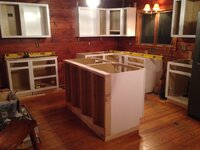
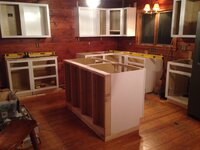
 After I paint them up I'll post a picture or two.