garrett1812
Well-known member
I recently bought a LED flood light with a photocell. I am not using this as a security light; I simply want it to turn on with a switch and turn off with a switch. I thought the photocell would not be a big deal, as naturally I only will use the light when its dark.
However, there is about a 15 second delay from flipping the switch to getting light. The manual says this is the warm up period of the photocell. Is this true? As in, if I find a way to bypass the photocell, will it be closer to instant-on? Or is it really just related to the power supply for the lights?
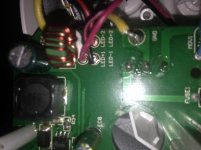
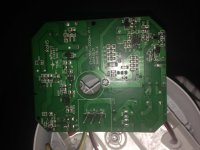
If this will help, any ideas on how to bypass the photocell? Pics of the internals attached.
Light: http://www.menards.com/main/outdoor...4438431880-c-7544.htm?tid=4155734157902837215
Thanks!
However, there is about a 15 second delay from flipping the switch to getting light. The manual says this is the warm up period of the photocell. Is this true? As in, if I find a way to bypass the photocell, will it be closer to instant-on? Or is it really just related to the power supply for the lights?
If this will help, any ideas on how to bypass the photocell? Pics of the internals attached.
Light: http://www.menards.com/main/outdoor...4438431880-c-7544.htm?tid=4155734157902837215
Thanks!