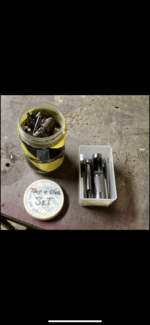
The taps need to be good ones to avoid headaches. They need to be made with high quality steel and have sharp, even edges. I'm no expert, but here's a situation I found myself in...
I had a spark plug blow out of my truck engine. The threads were stripped in the aluminum head. So I got a Stanley Helicoil thread chaser kit. The tap that came with it had a hex end, so I used a socket and ratchet to do the work. A T-handle would have been better, but I couldn't find it. I used cutting paste, and just went a few turns, then pulled back, cleaned the tap, reapplied the paste, and repeated the process. Once I was satisfied that I had completed the cut, I used more paste on a long wooden swab to clean the new threads, and remove any chips that had fallen into the cylinder. Then I blew cylinder out with compressed air. After that, I used thread locker on the new threads, and let it set overnight. Finally, I put some anti-seize on the new plug and fired it up. It runs great.
When doing this, slow and steady wins the race.
Alternatively, I've used drill/tap bits for less critical work, like drilling and threading holes in plastic, wood, and sheet metal. I have a Greenlee set that I really like. Go slow, and let the drill "ride" the threads, and reverse out gently.