Hello, I have a 40x56 pole barn. Metal siding and roof. Double bubble under roof. Ridge vent and eve vent. A gravel floor with no insulation or concrete. No electricity. I am in western Pennsylvania. I am getting condensation dripping from the double bubble, and mold starting to form on the rafters. Looking for any advice on how to mitigate these to issues with no electricity to run fans. Thank you


You are using an out of date browser. It may not display this or other websites correctly.
You should upgrade or use an alternative browser.
You should upgrade or use an alternative browser.
Mold and condensation in pole barn
- Thread starter jrgeras
- Start date
billconner
Well-known member
Vapor barrier under gravel. Many many gallons a day of water from ground.
billconner
Well-known member
You definitely want a vapor barrier under slab. If insulating, see other debates here on barrier under or over insulation.
What's in building? Just cold storage?
You can test my statement. Put a piece of clear plastic on gravel - a clear contractor waste bag cut open is fine - and weight down perimeter and see if there isn't a lot of condensation after a day.
What's in building? Just cold storage?
You can test my statement. Put a piece of clear plastic on gravel - a clear contractor waste bag cut open is fine - and weight down perimeter and see if there isn't a lot of condensation after a day.
There are literally 100 prior posts on this topic
Any building with out climate control obviously has no control over humidity and temperature swings.
No amount of sealing or vapor barriers is going to stop those swings…….your at the mercy of Mother Nature. It may slow it down but not stop the real issue. This is especially true with metal buildings drip or raining inside. Dirt or gravel floor makes it worse…….but…….concrete will NOT a fix the problem.
When the “indoor“ relative humidity reaches 70% or higher for any prolong period bad things happen like condensation, mold, mildew, rust/corrosion bad smells, raining inside, dripping ceiling etc. MOLD It’s first noticed on any organic material.
Two choices
1. Venting 100% of the time making indoor and outdoor as close as possible. Not a great choice but it’s cheap…….thing like a cattle , open machine shed or tobacco barn.
2. Seal, insulation, control air exchange rate, control temp and humidity……..requires power and a high cost
Even a fully sealed and insulated building will need a dehumidifier to control humidity levels…….think of grandma‘s damp musty basement. Same issue and numbers involved over 70%………the goal in summer most areas is under 50%. Obviously AZ would be different than MN.
Those other posts are with concrete floord………use the search with words:
metal building sweats
dripping from ceiling
ceiling leaks
mold, mildew
condensation
Any building with out climate control obviously has no control over humidity and temperature swings.
No amount of sealing or vapor barriers is going to stop those swings…….your at the mercy of Mother Nature. It may slow it down but not stop the real issue. This is especially true with metal buildings drip or raining inside. Dirt or gravel floor makes it worse…….but…….concrete will NOT a fix the problem.
When the “indoor“ relative humidity reaches 70% or higher for any prolong period bad things happen like condensation, mold, mildew, rust/corrosion bad smells, raining inside, dripping ceiling etc. MOLD It’s first noticed on any organic material.
Two choices
1. Venting 100% of the time making indoor and outdoor as close as possible. Not a great choice but it’s cheap…….thing like a cattle , open machine shed or tobacco barn.
2. Seal, insulation, control air exchange rate, control temp and humidity……..requires power and a high cost
Even a fully sealed and insulated building will need a dehumidifier to control humidity levels…….think of grandma‘s damp musty basement. Same issue and numbers involved over 70%………the goal in summer most areas is under 50%. Obviously AZ would be different than MN.
Those other posts are with concrete floord………use the search with words:
metal building sweats
dripping from ceiling
ceiling leaks
mold, mildew
condensation
cpttuna
Well-known member
don't paint unless you get the anti-mold stuff added to the paint
Dreamer1975
Well-known member
I had a humidity problem over the summer. I control the climate in the winter but not in the summer. I have concrete with a vapor barrier under it. I added a 60 gallon dehumidifier to the mix an a gauge to keep an eye on the humidity and it worked out well. But like stated before it is an extra cost but to me it’s worth it in the long run.
rustyjames
Well-known member
I have a pole barn for storage that's 50' x 40' with a concrete floor and no insulation. There's two large vents on the ridge. The temperature remains the same inside/outside always except it's hotter inside in the summer. I've never had any issues with excessive moisture.
What type of vents are they?I have a pole barn for storage that's 50' x 40' with a concrete floor and no insulation. There's two large vents on the ridge. The temperature remains the same inside/outside always except it's hotter inside in the summer. I've never had any issues with excessive moisture.
rustyjames
Well-known member
What type of vents are they?
Don't know what they're called, but they're each like 4' long and can be opened and closed with a pull cord. I just leave them open all the time. Also have gable vents on each end.
rustyjames
Well-known member
nadogail
Well-known member
I have been told that there are very large Hangers that have been known to cloud up and rain inside of the hanger.
Ventilation may help you with you problem.
Ventilation may help you with you problem.
Do you have these in addition to sofit and full ridge vent?Don't know what they're called, but they're each like 4' long and can be opened and closed with a pull cord. I just leave them open all the time. Also have gable vents on each end.
rustyjames
Well-known member
No full ridge vent at all, no soffits to vent. Just two of these vents spaced out, and a gable vent on each side. There's no insulation in the building and no heat.
The other data point missing is any example……….measuring humidity levels over time.
Certain days maybe absolutely perfect for venting while (most) days are not.
This decision really depends on the value and condition of the contents and end goal.
End goal can involve the longevity of the building itself not just the contents.
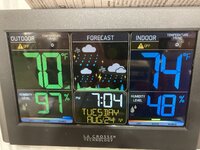


Certain days maybe absolutely perfect for venting while (most) days are not.
This decision really depends on the value and condition of the contents and end goal.
End goal can involve the longevity of the building itself not just the contents.
Last edited:
Half of my pole barn is finished and it has humidity problems. The other half is unfinished with gravel floor and ridge vent and doesn't have much problems. I do put cardboard or vapour barrier under some items that are directly on the floor or wood strips to keep things off the floor for air movement. My biggest problem with using vapour barrier everywhere is that while it stops moisture from coming up it also holds whatever water comes in above it.