

You are using an out of date browser. It may not display this or other websites correctly.
You should upgrade or use an alternative browser.
You should upgrade or use an alternative browser.
Most useful pipe wrench styles
- Thread starter T45
- Start date

pcmeiners
Well-known member
You forgot hex wrenches, use them often.
geartow
Well-known member
http://www.irwin.com/tools/pipe-wrenches/quick-adjusting-pipe-wrench
for my line of work usually brass they bite tite
for my line of work usually brass they bite tite
metaldad
Well-known member
huh?
ridgid makes several styles of wrench with different jaw orientations, that will suit a particular instance well. and hex type jaws. all are semi specific, and i have most, if not all of them.
and the 'rapid' wrench is a gimmick pos
ridgid makes several styles of wrench with different jaw orientations, that will suit a particular instance well. and hex type jaws. all are semi specific, and i have most, if not all of them.
and the 'rapid' wrench is a gimmick pos
Mickey O
Well-known member
Offsets, 90's, strap, chain, basin, walworth parmelee, stilson, monkey and many more, all depends what you're doing and your personal preference.
huh?
ridgid makes several styles of wrench with different jaw orientations,,,
Ok, but note they are using different base wrench designs


Last edited:
neophyte
Well-known member
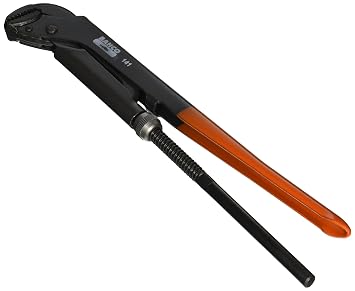
The Knipex Plier Wrench has jaws close parallel and apply pressure to to the hex or square flats on the nut or bolt you're trying to turn. This is great for solid bolt or fitting heads, and fine if the nut you're turning is strong and sturdy, but if you try to use it on something like the chrome plated zinc nuts for P-traps under sinks, the Plier Wrench can apply enough pressure to distort the nut, and it actually can become more difficult to undo the plumbing, and there's a chance you can damage the fittings. In this case you're better of with a ford style adjustable monkey wrench, or a Crescent wrench, or one of the ridgid hex jaw pipe wrenches.
Between the German/Swedish design pipe wrenches and US Ridgid designs it probably depends. The German wrenches are more versatile, and in a pinch can be used like a set of pliers to hold shapes other than round pipe. You make also be able to keep aplying pressure to both handles and wiggle a fitting back and forth if necessary, although the wrench won't grip as well in one direction.You also have to keep hold of both wrench handles so in awkward situations the could make things a bit more awkward.
With the ridgid type wrench, you just adjust the jaw opening with the nut, and make sure to put the wrench on the fitting to turn it in the wright direction. If you want to turn the wrench in the opposite direction you have to remove the wrench and regrip the fitting from the opposite side. the Ridgid pipe wrench design is just simple and solid, and once you adjust the jaw opening there's little to **** about with.
Between the German/Swedish design pipe wrenches and US Ridgid designs it probably depends. The German wrenches are more versatile, and in a pinch can be used like a set of pliers to hold shapes other than round pipe. You make also be able to keep aplying pressure to both handles and wiggle a fitting back and forth if necessary, although the wrench won't grip as well in one direction.You also have to keep hold of both wrench handles so in awkward situations the could make things a bit more awkward.
With the ridgid type wrench, you just adjust the jaw opening with the nut, and make sure to put the wrench on the fitting to turn it in the wright direction. If you want to turn the wrench in the opposite direction you have to remove the wrench and regrip the fitting from the opposite side. the Ridgid pipe wrench design is just simple and solid, and once you adjust the jaw opening there's little to **** about with.
jeeper46
Well-known member
my iron Rigid pipe wrenches just hang on the wall or lay in toolbox drawers now-I use the aluminum ones for everything. I have an iron 48" Rigid pipe wrench leaning in a corner-back when I was a 'fitter, when you had to go get that one, you knew your day was starting to ****....
EOC_Jason
Well-known member
What type of material are you grabbing onto? Just plain black pipe? I'm old fashioned and I have my Ridgid pipe wrenches, they work fine for that.
gdocktor3
Well-known member
Ridgid aluminum pipe wrenches every day
Empty Pockets
Well-known member
My Rigid pipe wrenches do me just fine, The size varies with the space I have and the job that needs to be done
speed bump
Well-known member
Your standard pipe wrench has a lot of bite and you can continually move it.
Chain wrenches are great when it's not too tight or an awkward shape.
The swedish style wrench is great when you need a lot of grip but don't need to be able to reposition the wrench often.
Ford wrenches are obsolete for almost all purposes.
Chain wrenches are great when it's not too tight or an awkward shape.
The swedish style wrench is great when you need a lot of grip but don't need to be able to reposition the wrench often.
Ford wrenches are obsolete for almost all purposes.